From House Hacks to Buying the Block in Montgomery with Justin Hampton | EP #56
Real estate development, adaptive reuse, and transforming overlooked neighborhoods into community destinations.
What happens when a local stops waiting for someone else to fix the neighborhood?
Justin Hampton shares how one small renovation slowly turned into buying an entire block in Montgomery, Alabama.
Justin Hampton did not start with deep pockets, construction experience, or a massive development company.
He started with a family, a tight budget, and a desire to create a better life while serving his community in Montgomery, Alabama. One renovation led to another.
Then Airbnb. Then mixed-use redevelopment. Then buying an entire block with a story attached to it.
This episode is for locals who see potential in abandoned buildings, historic neighborhoods, and underutilized spaces but are unsure how to take the first step.



Get the tools behind the episode
Access the Developer Vault with templates and real resources
Episode Summary
Justin Hampton’s journey into development started the same way many local developers begin: necessity.
At the time, Justin was making around $39,000 a year while supporting his young family in Montgomery, Alabama. He and his wife were looking for a safer place to raise their daughter, but they could not afford the type of home they wanted in move-in-ready condition. So instead, they bought a fixer upper and figured it out as they went.
That first renovation became their introduction to real estate.
Justin’s wife had prior experience renovating her own home before they met, so she stepped into managing contractors, hiring subs, and learning through trial and error. They took their lumps early. Failed work. Bad hires. Budget mistakes. Spreading themselves too thin. But instead of walking away from real estate, they kept learning.
Things shifted again when Justin was accepted into Harvard Kennedy School. The move forced them to become long-distance landlords almost overnight, unintentionally teaching them another side of the business. When they eventually returned to Montgomery, they started experimenting with flips and Airbnb properties long before short-term rentals became mainstream in smaller cities.
Over time, those smaller projects built confidence.
Justin explains that every new project still feels uncomfortable because every step forward requires learning something new. But instead of seeing that feeling as imposter syndrome, he reframed it as potential. He may not have done it before, but that did not mean he could not figure it out.
That mindset eventually led to the opportunity that changed everything.
A long-vacant mixed-use property in Montgomery had sat untouched for years. Most people passed on it because the numbers did not fully make sense through traditional comps. But Justin and his wife saw something else: narrative value. The property sat along the Selma to Montgomery Civil Rights Trail, surrounded by history and community significance that traditional underwriting could not fully capture.
So they bought the block.
Then one Instagram video saying exactly that exploded online and introduced Justin to millions of people who resonated with the mission behind the project.
Now the vision is evolving beyond traditional redevelopment. Justin and his wife are building spaces centered around hospitality, storytelling, wellness, and immersive experiences connected to Montgomery’s history and culture. They are incorporating AI storytelling, local artists, curated experiences, and community-driven placemaking into the project itself.
One of the biggest takeaways from this conversation is that development does not begin with knowing everything.
It begins with taking the first step, learning in public, building relationships locally, and staying in the game long enough for bigger opportunities to appear.
What You'll Learn
- How Justin went from making $39K a year to buying an entire block
- Why small renovations can become the foundation for larger development projects
- How Airbnb and house hacking helped fund future opportunities
- Why narrative and history can create value beyond traditional comps
- How local relationships with banks and city leaders helped move projects forward
- Why development is often about learning while doing
Bold Truth
You do not need permission to start rebuilding your community.
Timestamps
0:00 — Intro
https://youtu.be/O60EA4vAFXs?t=0
1:35 — Starting in community development
https://youtu.be/O60EA4vAFXs?t=95
2:33 — Renovating their first home
https://youtu.be/O60EA4vAFXs?t=153
3:57 — Becoming long-distance landlords
https://youtu.be/O60EA4vAFXs?t=237
5:20 — Discovering Airbnb early
https://youtu.be/O60EA4vAFXs?t=320
6:48 — Scaling into larger projects
https://youtu.be/O60EA4vAFXs?t=408
7:43 — Buying the mixed-use property
https://youtu.be/O60EA4vAFXs?t=463
10:33 — Seeing value beyond the comps
https://youtu.be/O60EA4vAFXs?t=633
12:38 — Why they finally bought the block
https://youtu.be/O60EA4vAFXs?t=758
14:26 — Building relationships with local banks
https://youtu.be/O60EA4vAFXs?t=866
16:56 — Reframing imposter syndrome
https://youtu.be/O60EA4vAFXs?t=1016
18:18 — The viral “I bought the block” video
https://youtu.be/O60EA4vAFXs?t=1098
20:01 — Early renovation mistakes and lessons
https://youtu.be/O60EA4vAFXs?t=1201
23:44 — Why small projects matter first
https://youtu.be/O60EA4vAFXs?t=1424
27:13 — Finding quality contractors locally
https://youtu.be/O60EA4vAFXs?t=1633
31:43 — Working with city officials and zoning
https://youtu.be/O60EA4vAFXs?t=1903
35:38 — Local grants and city support
https://youtu.be/O60EA4vAFXs?t=2138
38:00 — Creative placemaking and community buy-in
https://youtu.be/O60EA4vAFXs?t=2280
42:55 — The future vision for hospitality
https://youtu.be/O60EA4vAFXs?t=2575
45:33 — AI storytelling and immersive experiences
https://youtu.be/O60EA4vAFXs?t=2733
Meet the Voices Behind the Mic
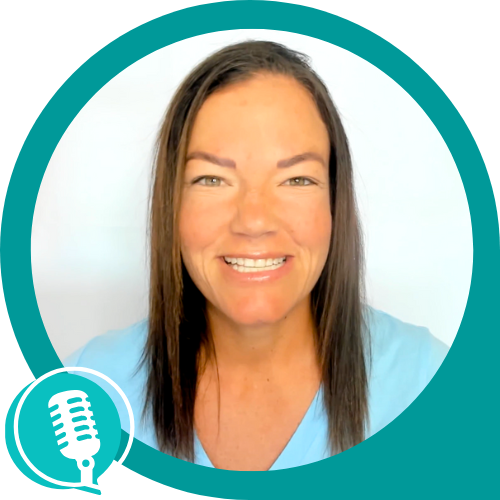
Kristi Kandel
Developer | Mentor | Co-Host of the LRED Podcast
Kristi is a real estate developer with nearly 20 years of experience and over $450M in projects across the U.S. Today, she focuses on helping locals step into development and build in their own communities.
She’s the founder of I&D Consulting, Local Real Estate Developers (LRED), and co-founder of Elevate, a community-driven sports and wellness concept.
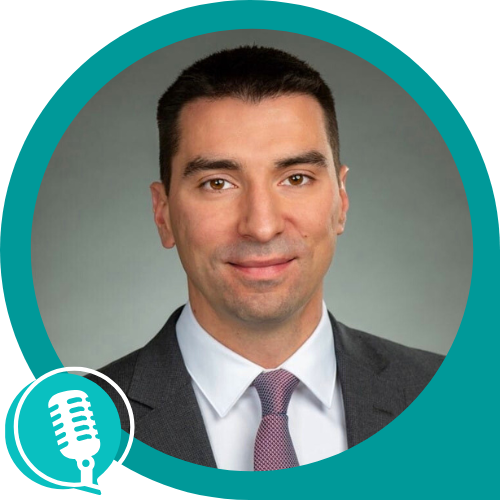
Raphael Collazo
Commercial broker | Author | Co-Host of the LRED Podcast
Raphael specializes in retail and industrial properties, bringing a problem-solving mindset from his background in engineering and software. As a commercial real estate advisor and developer based in Louisville, Kentucky, he works directly with investors, tenants, and cities, bringing a real-world view of how deals come together.
🔗 Related Episodes
How to Become a Local Developer: Katie Neason on Infill and Taking the First Small Bet | EP#29
A great companion episode on local infill, city relationships, and taking practical first steps in development.
How to Start Real Estate Development: Steph Weber Bought the Land First and Built the Plan Later | EP #41
A real look at taking your first development deal from idea to execution without having everything figured out.
Small-Scale Development: How She Left Her Corporate Career and Built a Tiny Home Village | EP #39
Another path from traditional career to building a community-driven development project.
About the Guest
Justin Hampton is a Montgomery, Alabama developer focused on adaptive reuse, hospitality, and community-driven redevelopment projects. Alongside his wife April, he is transforming historic properties into immersive spaces centered around storytelling, culture, and local impact.
Connect with Justin
💼 LinkedIn https://www.linkedin.com/in/c-justin-hampton/
📸 Instagram https://www.instagram.com/c.justinhampton/
🌐 Website https://thelastmilemedia.com
Full Transcript
Raphel Collazo (00:41)
Welcome to the local real estate developer podcast. I'm your co-host, Raphael Collazo. I'm located here in Louisville, Kentucky, and I'm a commercial broker, investor and real estate developer. And I'm excited to be here with my co-host, Kristi Kandel, real estate developer extraordinaire. And we're excited to see you as always.
LRED (00:56)
Hey, good to see you. Yeah, I'm a real estate developer investor and I teach locals how to become developers in their own community. And I am fired up today because I was stalking Instagram and came across our guest today and was like, whoa, your story is amazing. So we'll let him kind of introduce his background, but we want to welcome Justin to the show. How are you?
Justin Hampton (01:18)
I'm doing great
guys. I'm really excited to be here. I appreciate the opportunity and humbled that you would even ask me to come on and speak guys. Thank you.
Raphael Collazo (01:26)
Absolutely. No, we're really excited to dive into your story. to get started, what we typically like to do is to learn a little bit more about the person we're interviewing. So if you don't mind sharing a little bit about your background, that'd be great.
Justin Hampton (01:35)
Yeah, absolutely. I am a third generation Montgomery, Alabama native. My wife and I moved here after getting married and at first we were in more of a community development role that was based around like youth and community development, that sort of thing, and developed a heart for seeing the context in which we were working to be transformed along with the people that were occupying the space, right? So we want to see the schools. We want to see the housing. We want to see the education system, the
everything that a person engages with to be a positive factor in their own personal development. And so we sought ways in which that was happening and learned some things and eventually landed where we are now after some interesting twists and turns. I don't know if you guys want me to get into that right this second.
LRED (02:20)
Yeah,
I love all the twists and turns because what we find is most people don't get into developmental purpose. They accidentally get into what they're doing in their community. so just kind of sharing that helps make it easier for other people to go, all right, so that's how you fell into it. Cool.
Raphael Collazo (02:21)
Yeah.
Justin Hampton (02:33)
Absolutely.
It was completely by accident. We initially got into development because we were looking for a house. We were a young family. We had one daughter at the time, a young daughter. She was maybe two years old and we were kind of financially strapped.
You know, so as I stated, we were working in that youth development organization and literally I was making about $39,000 a year as a sole provider for my family. But we needed a home because where we were living was getting a little sketchy around us and we wanted to raise our family in a different community, a different setting. So my wife had been a real estate agent in Tampa, Florida. So we met in Miami. She was a real estate agent in Florida and she had done some renovation on her first house that she bought. So she said, well, I can probably find us a place that we can renovate and live in.
LRED (03:12)
Okay.
Justin Hampton (03:21)
So I said, all right, fine. I trust you. She went and did it. And as most of us do, she paid some tuition, so to speak. You know, she took her lumps, but she learned. She learned how to hire subs, how not to hire subs, the type of work you can expect people to do, the sort of expertise level you can expect for the price you're paying, that sort of thing. So she did all that on our first home. We moved in. And the Lord gave me an opportunity to go to Harvard Kennedy School. So as for grad school.
I got into grad school, we had to move. And when we moved, we had to move immediately because I wasn't about to be like, no, Harvard, I'm not coming. So when we moved, we had to rent the place because it was just so fast of a turnaround. So we became de facto long distance landlords for about a year or two years, actually. So we went through that process. And so it's kind of like the door open or the crack in the door. You walk through it and you learn these new systems and these new ways of functioning that you may not have thought you had the capacity for originally.
we ended up moving back to then run the organization that I was working for before. When we came back, the lease was not up for the people who were living in our original house, so we had to find another house. So we find a home. Well, while we're doing that, my wife is like, well, let's look for a place to flip. Let's try flipping because we were watching a lot of HGTV. So we tried the flipping game. We found a home that was built in 1880 in the first neighborhood in Montgomery. And that's how we got originally connected to this community that we're in now.
So she found that home and she found another one that she wanted us to live in. So it was like, OK, we found these homes in the process. Our friends turned us on to some products where we didn't have to have any money down. was 100% financing for the construction when they based it on after renovation value, which we can get into a little bit later. But we found a way for us. This was about eight years ago now, I guess. So yeah.
LRED (05:04)
What year was this just for context?
like 2018,
2019, six. Math is hard. I know. What year are we in?
Justin Hampton (05:15)
something like that, maybe 17. It is, it is. Like, where are we
Raphael Collazo (05:15)
16 20 20 wow i'm i'm 2026 i'm like wait a second
Justin Hampton (05:20)
now?
Raphael Collazo (05:20)
yeah not a while
Justin Hampton (05:20)
I don't know. Yeah, that just showed everybody. Listen, you don't want to be good at math to even do this,
Don't worry about it. So we, she renovated the house. I'm the cheapest dude in the world and it would not sell. This is like prior to the bubble, the housing bubble and things not moving so fast. She goes, well, that's because we haven't staged it. I'm like, well, I'm not going to pay for furniture and just leave it in there. So let's try this Airbnb thing. This was, again, this was like eight years ago before when you still talk to somebody about Airbnb and they were like, what's that? So Montgomery is a tourist location for civil rights and civil war history.
We furnished the place we put it on Airbnb and boom it was like wow. This is a thing So from there we started doing more of those we would flip occasionally But we would find properties and we would figure out a way to multi-unit a single-family home and turn that into a consistent multi-unit Airbnb or MTR midterm rental, so we found these different ways to monetize these locations, and we just kept doing that
many of them in the neighborhood we're in now, some of them in some peripheral neighborhoods around downtown Montgomery. And that kind of opened the door to saying, we've done these individual builds, we've kept some, we've sold some, but we wanna do something maybe a little bit bigger, or if the opportunity comes, would we be afraid of it? So each progressive step was like a new way of doing it, a new level up, so to speak.
So an opportunity came around in the neighborhood we live in where we were everything I just told you occurred for this multi unit acquisition or multi property acquisition, two commercial spaces, two residential spaces that were different. One of them five bedroom, 3000 square foot house, one of them a duplex and two vacant lots. And.
Our lender is still very friendly with us and they trust us because of our track record. And so we got the same sort of deal with that one. And it was in the community and on the Selma to Montgomery Civil Rights Trail, which for us was a no brainer in terms of the narrative that that connected to in our neighborhood, in our community and with us. Again, my family's from Montgomery. They participated in all those sorts of things.
And so it offered this opportunity to do something that was beyond just a financial reward for us that fit into the narrative of things we have been involved in in the past and could potentially have some impact for other people around us.
LRED (07:43)
So you had a really clear vision and then put it together. And it was easy when the opportunity came knocking because you're like, yeah, this is our vision. This is the area. This is awesome.
Justin Hampton (07:51)
It made it considerable.
would, still feel like each step is a jump over a hurdle of fear to some degree. You know, it's, don't know if I haven't done this before, so you have to kind of this. Is this something we should pursue? So the decision every time I feel like is a new one you got to consider, you know, and believe in yourself to go do.
Raphael Collazo (08:11)
Yeah.
Well, and also, too, I think you didn't let the initial lumps that you took on the project that you first took on, which I don't know the types of lumps you were taking, but I'm sure that at the time they felt significant. But you didn't let that stop you from moving on to the next phase of your your journey along the real estate path. And I feel like there's a lot of people that, you know, get get some lumps on the first project and then they just stop because they're like, I don't want to go through that experience anymore. But in reality,
that's tuition you've paid to then move on to the next phase, which now you're taking on all these larger projects. And I'm sure there's going to be challenges that you face along those lines. maybe touch base on talk a little bit about that development that you were describing earlier that was more of a mixed use development versus what you were used to on the single family home side. Was there any challenge, unique challenges that you faced on that project versus some of the other ones?
Justin Hampton (09:07)
Well, we're coming into that because it's so large, right? There's a larger carrying cost and there's multiple properties. And so there's a way to that we've we've thought about that our other projects taught us to think about. And so that is how can we get one of these cash flowing so that it's not such a big hole in our pocket or so that it can now support the rest of it? Well, that's the same thing with a house hack. That's the same thing with a with getting one unit prepared in a motor unit that we can rent and then carry the rest.
Raphael Collazo (09:31)
Mm-hmm.
Justin Hampton (09:37)
So that that kind of initial first step level thinking was able to be translated into a larger project because it's you You don't realize you're learning things you're learning oftentimes until you have to apply it So this larger project is alright. We got this smaller duplex. Let's hurry up and get that going We know we know the short-term rental game Let's make that pop so that we can then do the rest of this and give us time To think through it the right way not feel rushed about what do we do with these commercial spaces because quite frankly we still don't really
know exactly what we're going to do. Because of the location and because it's such a prominent location of becoming so where there's traffic and people are hearing about it and the social media thing just exploded for you know I didn't mean for it to do that I didn't know that was going to happen. I did mean for it to do that. I didn't know how fast it was going to happen. ⁓ So there's a tension now and ideas are coming our way. We have help in ways we didn't realize we would have.
LRED (10:26)
Ha ha ha ha.
Justin Hampton (10:33)
So we're just trying to think through it the right way and make sure that we're stewarding this opportunity to the best of our abilities.
LRED (10:41)
And when this opportunity came up, how was it that you got connected with it? Was it a broker in the community, a property owner? Who brought it to your attention?
Justin Hampton (10:49)
Yeah, so this
is literally we live in the neighborhood. So this is around the corner from our house. Big giant for sale sign up commercial property for sale. But that sign was up for two years. And so people passed on for a number of reasons. It's it clearly, you know, it takes work when you're to buy an abandoned property. There's people that's just not their bag. Right. But at the same time, I think there is a recognition of narrative in certain locations that people don't allow to
contribute
to the value they place on the spot. So while the bank is looking at comps to determine the value of a location, that's what they do. They run the numbers, math. You have to have a wise investment and strategy for how you do that, as do we as the retail, so to speak, investor. At the same time, though, there are locations around you, around your home, your neighborhood, your community that have a story attached to them, that have a narrative that's strong, whether that's, my grandmother moved here from
Ireland and she used to cook food for the people in the community and it became this in this neighborhood or that was next door. It ain't even got to be your house or my family participated in the civil rights movement and this is where it was and it was on this street and this happened here and this happened here. People are so interested in the narratives that are associated with locations that the bank doesn't attribute that to the value of a spot. So people passed on this location for years because in comparison to other comparable locations it was slightly overpriced.
We looked at where it was and said, wait a minute, there's a story that can be told that has gravity to attract people to this location. And I think we can tell it in a way where we can far in a way exceed what they're saying the after renovation value is going to be for this place. And so let's give it a shot.
LRED (12:33)
I love that. you what what was your guys' trigger? Because did you see the sign up for two years? What what made you finally go? Let's let's make a call.
Justin Hampton (12:38)
We?
My wife needed some storage space. So the commercial places were empty. She has another business that she runs and I was looking for a place where it had these factors that could support the commercial things that she wanted to do. So I knew it had these two residential spots. Again, we could do short-term rentals or mid-term rentals and give her the opportunity to run her other business out of these other spaces. Unbeknownst to me,
wow, people are really interested in this work and here's an opportunity to bring other people in. And as you said, like the rising tide lifts all ships or boats or whatever the terminology is, everybody can do well. So it's kind of become a thought that's evolved in how we do it. So there was no like, hey, here's the plan and we're after this. Other than let's secure it with these short-term rentals.
What are we gonna do to involve other people? What are we gonna do to, I don't even like saying grow the pie because I think that's a misnomer that we can kind of get into maybe a little bit as well.
Raphael Collazo (13:46)
Yeah, I'm kind curious as to how you structured that acquisition. And the only reason I say that is because a lot of times, and you guys already have had some experience with a local lender that you've built that relationship. And we stress the importance of working with local lenders on this podcast, because if you were to take a similar type of project that's a vacant building that has multiple different potential uses, and you bring it to like a Chase, or you bring it to like a Wells Fargo, the probability of getting something done is typically going to be less likely because of the new
wants involved with some of these, these projects. And so I'm kind of curious as to how you were able to structure the deal for the acquisition. And then, you know, even talk a little bit about acquiring the property itself, or, you know, maybe, maybe, you know, because I've been involved in other projects locally, where building was vacant, and we had like an agreement with the seller to make it contingent upon finding a tenant, there's all these creative ways that you can potentially structure deals. So kind of curious if you could share that information, share that insight.
Justin Hampton (14:26)
Yeah.
Yeah. ⁓
The short and sweet of it is we've been doing deals with this particular bank for so long. We've developed a rapport with them and a trust level with them around the sort of operations that we do. So it's going to be a midterm or it's going to be a short term and they see the numbers for that. They recognize that we've been successful because we've been doing it for years. Now the first time took some convincing, the first go around. And so we had to get our numbers for other things we've done or we had to get numbers for people around us and they were
familiar because it's a local bank in Montgomery, Alabama. There's not a lot of exposure to these sort of things or these or what may seem innovative to this particular group of people. But at the end of the day, to your point, there's a group of people that's making a decision rather than some corporate document or checklist. So they got their checklist. But at the same time, the bank president is advocating for us at the same time. These guys have done a good job every time they deliver. They hit a home run every time. And essentially, the bank just
wants to know they're going to get paid back what they give you. So if you have a track record of that and you have future projections that can show that, your chances are better. And if you have a relationship with the bank, a personal relationship with those who are making the decisions, obviously that takes it to another level. So the asking price on this one was the biggest one we've ever done. All that.
The renovation cost is absolutely the biggest one we've ever done. And so there was just some proving ground that we had already made. And so they took their time to deliberate. It has to go before a board. They make their board decision. And they trusted us enough to move forward.
Raphael Collazo (16:02)
Mm-hmm.
LRED (16:14)
I was just having a conversation with someone because we were having a call with a bank and then afterwards they're like, so how much of this of what we just did is selling ourselves? I said a very large chunk of it because they're gonna take it into their internal team so they need to believe not only in the property and the vision but they need to believe that we can execute and they need to believe that we have the ability to go execute. So I said we are 100 % selling ourselves right now.
Justin Hampton (16:40)
Absolutely,
and it's like that every time you do something new. Like I said, so there's the factor of convincing yourself you can do it, and then there's convincing the bank you can do it, or your lender, or whoever your investors are, that we got this. And so far, so good.
LRED (16:44)
Mm-hmm.
Yeah,
Raphael Collazo (16:55)
Thank you.
LRED (16:56)
yeah.
Well, you know how they say imposter syndrome and the way I heard someone reframe it a while ago was just that imposter syndrome is just the fact that you haven't done something yet before and that's why you feel like an imposter. And it's purely just because you haven't done it yet. So of course, you're you will never get to a point where you go into everything in life and you don't necessarily feel like an imposter. So with that context, it's almost like now I almost never feel like an imposter anymore. So I'm like, just because I haven't done it yet doesn't
I I can't, we've got all of this experience that we can compile and go, I figured it out how many times? We're gonna go figure it out now.
Justin Hampton (17:26)
you
And there's another
word for that. So the negative side of it is imposter syndrome. I've never done this before. The positive side of it is called potential. I've never done it, but I can. I've never done it, but I can't is I'm an imposter. I've never done it, but I can. I have the potential to do this. And so it is.
LRED (17:43)
Yeah.
The same way
as reframing where we say, what could all go wrong? What if it goes well? What if it goes right? How many? Like, let's start thinking that way. Let's put that juju out there in the universe.
Justin Hampton (17:53)
Thank you, Mark.
Raphael Collazo (17:54)
Mm-hmm.
Justin Hampton (18:00)
Absolutely, absolutely, I totally agree.
Raphael Collazo (18:02)
Yeah, sure. So regarding that phase of the project, tell us a little bit about what your thought process was around creating that media attention. So share a little bit about the story, how that started, and how you're progressing to this point.
Justin Hampton (18:18)
Yeah, the media attention was an attempt to separate myself from the management platforms. So you got Airbnb, the RBO, whatever, they do a great job putting your stuff out there and they take a percentage because of that. I wanted to have some direct bookings. So I'm looking at, I did my research, I'm a homework guy, and I saw people who were able to do that and they developed a following and a base.
before they transitioned to that. So that was really the only attempt, hey, here's what we're building, here's what we're gonna do, this is gonna be this, this is gonna be that, and move toward trying to get attention for bookings in the future. And again, I didn't realize that the first time I said I bought the block, 1.7 million people were gonna be interested.
So that was just kind of like a, whoa, I don't have the funnel for this. I don't have any way to collect any of these. I got nothing. If I had sold a dollar product to 10 % of those people, whatever. But I'm really glad that we did that because it introduced me to so many people across the country who have a same heart for this kind of stuff. People like yourselves who invited me on to speak about what we're doing and kind of spread the word and the spirit of what we're doing. Not just, hey, look at us, but look at your na-
your community, where's the value add that you can bring to what you're doing and not be afraid to jump out there and go make a tangible difference for yourself and for the people around you. So it's been really cool to see and inspiring because you meet other people who are doing the same thing. So it motivates you to keep the ball rolling.
LRED (19:45)
So I know you've done quite a few projects. Can you maybe list some of the challenges that came up? Because people are always afraid of the unknown and if this happens and that so maybe I just won't get started. But maybe some of the challenges that came up and how you guys problem-solved and overcame it just to give some context.
Justin Hampton (20:01)
Yeah,
I'd say the first major one was when we did our own home that we live in now. So in the same community, this home was built in 1900. It was in complete disrepair, ceilings falling in. They had no front porch. The front porch was gone. It was just like stone pillars out there. And it's about a 25 to 2800 square foot house. And it had to be totally redone, start to finish.
At the same time, we were doing that original flip I told you about. So two properties at the same time as our first renovation and flip attempt. So kind of learning on the front end, we learned how not to spread ourselves too thin because we spread ourselves too thin. So that was some of the tuition. And in doing so,
you because you got to have multiple crews going at the same time or multiple people doing exercise in the same skill set at different locations and that requires oversight and management. And so there's a little bit of how far do we want to extend and still get the quality of work that we're able to do ourselves right now. I mean, I know there's people out there that are running multiple projects and they got stuff all over the place. We have five small children. We have we have things they're involved in. And so there's only so much we can do, but we can still do something.
So I say the major challenge on the front end was recognizing what we could and couldn't manage. Not because we didn't have the skills, but because we didn't have the bandwidth. And when you don't, things fall through the cracks.
LRED (22:00)
Mm-hmm.
Justin Hampton (22:00)
There's just
some things are going to get built that aren't built the right way. And you have to come back and do it again or you find out later on. And so there was some tuition paid there for sure that going into this project, we were able to take that experience and say, OK, how can we do multiple locations? Because she's also doing another flip somewhere else. And again, my wife is the sauce. Let me just make that very, very clear. She's the one out there running the crews. She designs. We make decisions.
together and then I run the projects. So who's going to be in here? How are we going to run it? What's the operations? What's the automation? All that kind of stuff. So she's out right now, which is why she's not on this call, running the show. So there's a lot of challenges that were overcome that.
allowed us to then step into what we're doing now and have the confidence to do that, to say, okay, how do we take a measured approach to this new project? Because we didn't do that the first time. We just bit off way more than we could chew. So I think people curious about getting in or that are already in, just take a measured approach. Like there's such a thing as a pilot. There's such a thing as a small first step, you know.
I don't know that I would tell somebody to go out and buy six properties all at the same time. But if you can do one, right, and get your learning on that one, the hit you're gonna take is not gonna be such that's gonna just shut you down. It's not gonna deter you from doing things in the future. Even if we took a hit on the one we have now, because we've taken progressive steps to get where we are, then the hit is not gonna be so big that it just knocks you off your feet and you're never gonna get in the game again.
and be okay with the challenges that come. With the electrician that fails the electrical inspection twice. And having to find somebody else to fix it. Those are lumps.
LRED (23:38)
twice.
Raphael Collazo (23:39)
question.
LRED (23:44)
But like you said, not the death blows to where it's you put in the calculator risk, you get the cash flow coming from certain areas that are proven that you know. And yeah, yeah.
Raphael Collazo (23:53)
Well, the nice thing about real estate, and obviously this is not meaning that you can't take a severe hit, but real estate can be forgiving if you hold it long enough. So even if you get in a situation where you've put yourself in that situation, if you hold it long enough, usually you're able to overcome it. And so that's one of the nice things. Plus, I really appreciate the insight you shared regarding just taking on a small to mid-size project from the start.
And even if you do take some lumps on that project, it's not going to knock you out of the game. I've seen several people in the past that have taken on these massive projects, and they've involved other people. And if that thing goes sideways for whatever reason, now you're really in a bad spot. So I think it's best to start small if you can, and then kind of build up from there. One thing I'm curious about is you highlighted the project management side of these projects.
There's some people that are listening to this podcast who have construction backgrounds or have had some experience in that side. But I'd imagine there's also a lot of people out there that don't. How did you guys formulate that process starting out? And did you guys have any construction experience? Or were you guys just starting from scratch and kind of had to learn as you go?
Justin Hampton (25:05)
Well, my wife had done a little bit of renovation on her first home before we got married. So she had an idea of the processes. She took on the first renovation on her own, meaning the management side, the finding the subs, all that sort of thing, because I was working full time. And so now it's a similar process. She finds the subs. She handles, she recognizes the budgets as far as the payouts and all that sort of thing.
But keeping it going once it's up and running is where my current expertise comes into play. But as far as the operations on the front end and the construction, that's going to be April's bag there.
Raphael Collazo (25:44)
Mm-hmm. That makes sense. Yeah, because I've had many people approach me in the past and ask about that piece, because unless you have a construction background, a lot of times people that that's an area that.
people are afraid of at times. And I don't have a construction background myself. I've honestly teamed up with business partners who have that experience and I handle more of the operations, similar to you, the operations and leasing. And I'm a commercial broker here in town, so I handle all that side as well. But yeah, no for sure.
Justin Hampton (26:14)
Yeah, she's the brains behind that. What I will say is that I think it's a lot simpler than people think it is in terms of if you can budget your own household, then you can budget a renovation. You can budget really anything. And so there's no reason to be afraid of the money side of things if you can keep track of what you're doing. I think that comes into play, though, when you're talking about who you're hiring and
if they're going to be quality.
a quality hire, a quality subcontractor, and being able to find those people. And oftentimes that's word of mouth, because you have no interaction with this person, you have no idea if they're good at what they do, but at the same time, you should get as much of a community around you locally as you can. And again, because it's local, you can oftentimes tap into people who've had those experiences and say, okay, yeah, I got a guy. Who's your plumber? I got a guy. Or here's a guy he recommends, because oftentimes people are kind of protective over their guy.
Raphael Collazo (27:11)
Mm-hmm.
Yeah.
Justin Hampton (27:13)
Here's my guy's cousin, or here's my guy's, you know, somebody who works for them. And you find a way to find quality work, which keeps your costs down. But at the same time, you have to understand what to look for and not to look for in quality work. So sometimes there's some hand holding that you may have somebody who's in the game who can come by maybe once every two weeks and put their eyes on something and say, well, that looks right. That doesn't look right. To walk you through learning the process and learning how to have those eyes for what you're trying to do.
you're now the person who can walk in and make those corrections and hold people accountable and watch your budget because you understand what should be being spent and what shouldn't be being spent.
LRED (27:49)
And I think that's a great point where, mean, just thinking of my first property where one of my friends and partners that I invest with, she's literally showing me how to use a drill to hang curtain rods because she's like, I don't want you to get charged so much money again for someone to come in and make two drill holes just because you don't know. She's like, I want you to understand how this happens so you know how much you should be charged for it. So understanding, it doesn't mean you have to do it, but getting that mentor, getting that
or maybe paying another contractor to come in and just say, can you walk me through this and explain this stuff to me and be my eyes for this project? It really goes a long way and like anything with a mentor, if you show that you're soaking up and absorbing the information and applying it and taking action, people will pour into you.
Justin Hampton (28:36)
And I would tell
people to not be afraid to pay for that. I think some people don't want to consider that as a potential line item. But if you're on your first project, I'll tell you like this, like how much does it cost you to not do that?
Raphael Collazo (28:40)
Mm-hmm.
Justin Hampton (28:50)
as opposed to what does it cost you to get somebody to come in as an advisor, however often is, you know, makes sense to do exactly what you're saying. If you don't know, you're going to get the tuition you pay for not knowing is going to be far more than the price for the person to come in and be an advisor to you. So I suggest if you don't have somebody, find somebody, even if it's, you know, somebody who can do a walkthrough with you, the minimally on the phone, like somebody take a look at this.
LRED (29:16)
We're like, FaceTime, like, here we go, here we go.
Justin Hampton (29:18)
Is this okay? Is this okay? So
LRED (29:20)
Yep.
Justin Hampton (29:21)
you learn because you got to be able to do that yourself. It's your money at the end of the day. It's your project.
LRED (29:25)
It's way easier said than done because we go, yeah, well, that cost me 20 grand later, so sure, I really wish I would have paid that person two grand. But to pay the person two grand and not know that 20 grand was the, so it's the chicken and the egg to where, from veterans in this, people, it's worth it.
Justin Hampton (29:32)
Thank you, man.
Absolutely.
Raphael Collazo (29:42)
Yeah.
Well, even outside the dollar figure, it's time. mean, time is what really affects everything. So if you can shrink the time it takes you to get the project operational, obviously that leads to the opportunity cost of delaying the project by two months, lost revenue, potential delays with other parts of the project.
because you may be holding up other contractors if something's not right. And then they're going to have to kick you to the next month because they have other jobs they got to do. So it just creates this whole downwind issues potentially by you not knowing. And if you can mitigate that in some way, even if to your point you pay a couple grand to have someone who has a lot of experience on these projects help you out, it's well worth the investment for sure.
Justin Hampton (30:24)
Absolutely.
And oftentimes there's more than one way to get something done. whoever your sub is sometimes will give you the cut and dry way to hurry up and get it done so they can get out the door and go to the next job that they got going on. But if there's a way for you to do it differently to cost savings, whether that's building the cabinet's a little bit different or.
Raphael Collazo (30:28)
Mm-hmm.
Justin Hampton (30:43)
Whatever the case may be, there's a number of ways that can cost save and time save for you that you may not know that somebody who's been in the game can help you out with. So for sure.
LRED (30:52)
Yeah, I'm thinking about the motivation behind the people who are doing it. It's not that they're trying to do something bad, but like you said, maybe they have like six other jobs that were stacked up and they're like, we can do this, but this will work too. So let's just go this way. And if you don't know what you don't know, then yeah, just asking. And I'm a huge fan of like, we can't know it all. And I've done development for 20 years and on hundreds of projects. I still don't know it all. I will, I was just talking to some attorneys yesterday and I'm like, look, I know enough to be dangerous, but
I have no idea what you just said. Can you please explain this again? I'm like, straight up. I have no idea.
Justin Hampton (31:26)
Yeah. We're all learning.
That's another thing. Like we don't know it all. We don't know every in and out of everything. So at no point is there not this leap of faith that you have to take in your skill set, your expertise. So I'm 100 % on board with you, right?
Raphael Collazo (31:43)
kind of curious to you know the part of development incorporates obviously the nuts and bolts of putting the project together but another part of that too is is the is the the city side the permitting side the political side so if you could talk talk talk a little bit about that piece that could be helpful especially as you start taking on this new project because
I would assume as the scope grows and there's a lot more moving pieces, maybe there's a lot of other items that need to be addressed in that as well. So I'm kind of curious if you could share some insights around that.
Justin Hampton (32:12)
Yeah.
I think wherever you are, wherever you're located, it's different. And that's one thing. You've to do your research and find out. Well, one, you have a vision for what you're going to do, for what you want to create for the most part. Then you have to research is am I I capable of pulling that off in this location? What are the what are the requirements? What's the permit? And where we are, it's a fairly flexible sort of thing. So our zoning is what's it called? Smart zone. So where we are, you can pretty much build whatever you want.
in this particular location because it's a developing area. There are hotels being built. There's residential. There's new homes being built. Well, not as many, but.
multiple different kinds of things and so the city has made it really really open for us to be able to build multiple use or residential and commercial or you know what mean there's there's a lot of flexibility so on our end it has not been difficult at all to obtain the kind of permitting so we don't have to go in and change or rezone or anything like that like a lot of people have to
LRED (33:10)
Did you know that ahead of time or was that just something you found out as you started digging in?
Justin Hampton (33:15)
Well, because we've been
around here in this neighborhood and done work here, we did know. So there was no like, my God, thank goodness. Because it would really bad if it was well, you can't do that. You can't do this. You got to rethink or get plans drawn. There's a lot of flexibility in Alabama overall for what you can do with your property. So there weren't a lot of hoops to jump as far as I was concerned.
LRED (33:22)
you
Justin Hampton (33:36)
But I encourage people to really dig in to your location and make sure you know ahead of time.
Raphael Collazo (33:43)
Yeah, that's one of the one of the areas that we always encourage people to look at is to look at the comprehensive plans to do a deep dive in the land development code to confirm zoning. And if there's any issues that need to be addressed, you can address it on the front end versus getting too deep into the project and then not being able to do what you need to do on that side.
Justin Hampton (34:00)
And
I'll say this as well. I think being in a mid-sized city is really helpful because there's not a lot of, what's the word, there's not a lot of degrees of separation between you and a decision maker.
So you can find out what the city's plans are for your particular location that you're thinking about developing in. And so if you have to make an appeal or you have to have a conversation, then it can tie into the vision they already have for the location. So it seems like something that has synergy and like, OK, yeah, that makes sense for what we're trying to do. We're OK with a rezone or it has to go through the proper channels. But there's a little bit of homework that needs to be done first to make sure that what you're saying is not a complete antithesis to what
they're talking about.
LRED (34:43)
Yeah, and that's why we're big advocates of locals doing these deals in their communities, because I think it's we have like 16,000 cities in the United States that have a population of 10,000 people or less. So if you can flip that house, you can flip the downtown building. And even in towns that are 50,000 or 100,000, those are still relatively small communities. And you can get to your city managers, you can get to your city council members and you can talk to them and have that conversation and go, hey, are we aligned? Whereas in the big cities, the San Francisco, the L.A.s and Miami, you're not getting to those.
mayors.
Justin Hampton (35:15)
And there's often ways for them
that they're looking for sometimes ways to support those people, particularly if you're a commercial development or a multi-unit development. How can we support that, whether that's attention or grant funding or whatever? There's a lot of them.
LRED (35:20)
100%.
And all of a sudden they're
like, did you know about this grant here or this tax incentive here? How has that started to come into play with your project? Have they been able to find anything like that to help with the development?
Justin Hampton (35:38)
It's funny you say that.
They literally have reached out to us this week and because again it's a smaller place, the mayor is shaking my hands and said hey how can we help you? Just let us know, talk to us and...
you know, they're willing to open their doors and reveal resources that are open to the public, obviously, but maybe point you to some things you didn't know about. So there's some small business grant funding. There's some things that they're trying to do to incentivize workforce development, housing, that kind of thing that, it's been a recent thing, but I will say I should have been proactive about that on the front end.
What revealed it to me was the social media stuff. People within the city government seeing what we're doing, saying, hey, where's, you guys are doing this. We have some programs you might be interested in. So it's that connection. And I'm not telling everybody to go out there and make a social media page. I'm saying there has to be some awareness of what you're doing, and you need to make it aware, make people aware, whether that's a handshake conversation or some other method or somebody you know some kind of way. Let it be known this is what we're doing, what resources
are available to help us further along because it's not just about us.
LRED (36:49)
Right.
Right. mean, I was just at a, I'm a big fan of the chambers. I was at a chamber event on Friday night and the town mayor said, well, have you talked to Senator so-and-so and representative so-and-so they live right here in Benita and Fort Myers and they could actually like, if they support that, they could actually potentially open some doors to you. And it was just like, okay. Cause it was just in conversation of sharing the project and going, well, thank you. Yes. Sure. I would like those introductions.
Justin Hampton (37:10)
And that probably happens every time I'm dead.
LRED (37:17)
Please.
Justin Hampton (37:18)
I'm sure
that probably happens every time you have it. It's like let me tell you go talk to someone so go talk to someone so
LRED (37:24)
Because
if you're strong enough, you're in your vision and you're passionate about it they know that you're taking action and you're going to keep going, people want to help. They see the momentum going. They're like, well, if all I need to do is make a connection, heck yeah.
Justin Hampton (37:36)
100
% and I think one of the ways I'm finding that
that kind of multiplies that is bringing other people into the process somehow. So one of the things we're trying to do, and I was kind of confused about how to do that because people, they're nervous about getting other investors, which that makes sense. They're nervous about ways that would quote unquote slice the pie among other people because you got your how much you want to make at the end and that's the mess you got to assess that. But there are ways to incorporate creatively people that can now have a vested interest in what you're doing, whether
that's like with our spot, we're going to have local artists on the wall. So the paintings we want to get and what that does, brings attention to what you're doing it now. They're going to tell people about your location when they come in town. Their social media page is going to feature your place because now they're a feature in your location. That can be who's in your gift basket.
Are there local vendors or makers in your gift basket? could be a number. That could be a festival you host at your location. A lot of different ways where you can highlight the efforts of other people and bring them into your scenario. Not necessarily in a construction situation, but in a how can I get more awareness to your product and how can I get more awareness to what you're doing? Because when people see you, they see us. When people see us, they see you. And then it becomes truly a community- invested interest and people want to see your
And I think creatively thinking about that is something a lot of us in the development world don't really think about because we're so focused on the bottom line and we're so concerned about slicing the pie, which again, I don't think is the right way to think about it. I think fruit is the way we think about it, not pie. There's enough fruit to go around. There's oftentimes not enough pie to go around.
Raphael Collazo (39:16)
Yeah. Well,
Kristi wasn't I'm trying to remember the guest we had on that that does some of these events to profile potential redevelopments for cities around the country for public projects. I think you remember the built cities, I believe. I can't remember the exact. You remember they they they have like these different, you know, pop, not silly pop up events, but they coordinate with these local municipalities to to kind of have an idea share.
LRED (39:43)
to show what they could
be ahead of time, like Krista with Better Block maybe, or? Yeah, yeah, yeah. So they'll basically take a, they'll work with a community and in 120 days they'll do an activation. And they will, it'll be temporary structures, but it could be that they're bringing storefronts to life that they're doing, adding bike lanes, they're changing the circulation of the road to where, now it's a one-way road or maybe it's a two-way and like putting things into where temporarily you can see as a community how this would flow and work.
Raphael Collazo (39:46)
That's better block exactly right.
LRED (40:13)
And then by doing that, they've now proven the concept and changed the perception in people's minds that go, well, I thought this would be a really bad thing. And actually, helped us. So let's take action and start implementing these projects. And it's super cool because we know development is years in the making. So to, in 120 days, be able to pop up and show what it could be, that's huge.
Justin Hampton (40:31)
Yeah, and it is.
And
a friend of mine in the way they call creative placemaking space, he kind of got me my mindset to shift on that as far as he would develop the facade of his location first. So the inside may still be under construction. You really can't go in and frequent. But when people drive past, when they look at your spot, they see something different is coming and they're now preparing themselves for what that thing is. So you're absolutely right. Sometimes it's just a mind shift that has to happen with people.
before they're ready to participate in whatever that community development.
Raphael Collazo (41:04)
Yeah, I love that. Yeah, we're actually, so we own a property here in our local market that we just recently demoed. And so now we have about a third of an acre lot that's just wide open. And we're trying to coordinate kind of like a food truck event where we invite people out. And not only will it bring people on site and allow for people to.
you know, and have a good time there. But we'll have, you know, you know, pylons to kind of showcase what we plan to do with the site. So we help build awareness, and we'll have our videographer out there. So to your point, it just creates an opportunity for us to profile the site, get some community feedback, and also build buzz so that when we eventually take on that larger project on site, again, you'll already have some momentum being built there. So yeah. Yeah. So that's exciting. But.
LRED (41:51)
And the community
feels part of it when you do that, to where they're like, you didn't just do this, and it's this big secret, and then magically it's open, and I don't know what it is. It's like, wait, you built this, and we're telling me about it the whole time, and that's cool. Now, even if I don't have ownership in it, I kind of have some kind of pride of being a local, and this is cool things happening in my community, and I want to be like, yeah, I followed this the whole time, and this is super cool, so now I'm going to come here.
Justin Hampton (42:11)
simply.
Absolutely,
absolutely. that's what you want. You want people to feel like it's a part of not just like something new, but this is kind of something that maybe even they've had input in. So, hey, what do you think this should be? And even at those events, there's, and I've seen people have, you know, a quick survey or QR code. What would you like to see in this location? Or you may have an idea around what you already want to build, but what types of things do you want to see in here? What aesthetic would you like to see? This or this? Or if there was music playing here, what type of music would you want to
regularly here this or this so yeah man that's awesome.
Raphael Collazo (42:45)
Great. regarding the next phase of the project, what do your next few years look like? What is your vision over the next several years as you continue to progress with this project and subsequent projects in your area?
Justin Hampton (42:55)
⁓ Whoa,
man. So we are really diving headlong into the hospitality space. In Montgomery, believe it or not, are, I hesitate to call them boutique hotels. They are just because they're small, in my opinion, but they're run corporately.
So there are no boutique like really curated to the experience of the guest hotels or or even.
We're looking to do that. Let me just put it that way. So we're identifying some rule space because we want to create a retreat for that. And we're looking to do that locally. I really want to say it, but it's not on the contract yet.
LRED (43:35)
Would this be
a ground up one? Not acquiring something that's there, but a ground up? Okay, I like that.
Justin Hampton (43:38)
This will be acquiring something very, very special
to the city. And it's in our general area already. And it has the most amazing narrative associated with it. But my wife would slap me in the face if I told you. If I burst it out, man. But it's along the same lines of what we're doing. So our next phase is leveling up. The first one is going to be on the block, the property that we already have. That's going to be a retreat space.
LRED (43:52)
Right. Like if you talked about this publicly and it wasn't done yet.
Justin Hampton (44:08)
So we're jumping into the hot tub, cold plunge, sauna type of thing where people can come to Montgomery because when they come here they're typically tourists are coming to experience a really hard narrative oftentimes and they need a place to kind of decompress and relax and have a community conversation among the people that came with a small group and there really is no place that's like top level luxury for people to do that. So we're going there first and then we're gonna level that one up and then we're gonna do that in a wide open space with some water around it.
And so we just really want people to come here and have a mind blowing transformative experience when they come to Montgomery. And the block is the first step in doing that. And it allows us to offer it in different tiered levels. So you can come and you can stay at what would be a traditional sort of Airbnb style stay. But we want to give you a golf cart because you're to go up and down the trail. Then we want you to be able to have, hey, you want to have a luxury retreat. And then, hey, if you want to stay in a
We got that for you coming soon too, we hope.
LRED (45:03)
Hahaha!
I
love it. I'm huge into the experience and the wellness and the community types of projects now. think with AI and technology, these are the things that we're going to crave and need and want even more. And like you said, with the storytelling behind the projects and the locations, those are the types of things that get me excited as well. It's like you can take something that has deep history and then bring it into this century and create that experience for people to come.
Even if they only get a week or two of vacation a year, they're going be talking about that for a lifetime, which is cool.
Justin Hampton (45:33)
So that's another piece
I wanted that I'm glad you guys gave me the opportunity. I want to highlight one other piece is the media that we've created, the media company we've done, because we want to incorporate those storytelling opportunities in the locations. So if you're at a place that's on a trail or near a nature preserve or whatever, we can create these automated experiences where somebody walks up to a spot on the civil rights trail or a location around you on a nature preserve or wherever.
wherever you are and it automatically triggers an AI experience for the person where they can see what's going on. So the one we created was the narratives of my mom, aunt, and grandmother combined into one AI persona that can speak to you about their experiences. Wherever a person is, it can be able to do that for them too. So if anybody out there is interested, we can help you level up your location and give some cinematic...
really, really emotionally resonant stuff to what you got going on.
LRED (46:35)
That's super
cool. Super cool. I love leveraging tech to be able to do stuff like that. That's awesome.
Justin Hampton (46:41)
It's been really cool. And again, all these opportunities coming up as a result of just keeping the momentum and taking steps forward, doing something new and something different and not being afraid of the next steps. So it's a journey.
LRED (46:57)
I love that. I love that. Okay, so how can people follow along? Which platforms was the best way to do it? If they want to take up the AI offer.
Justin Hampton (47:06)
Yeah, so Instagram obviously to follow the journey there you can kind of see what's going on. I'm trying to be more consistent with my posting but I think there's enough there that can whet somebody's appetite and keep them engaged. And as far as the AI stuff that is at the last mile media dot com. It's named after the last mile of the Selma to Montgomery March.
So the last malmedia.com there. We love to connect with anybody who's doing similar work or in need of our services. Because like I said, it's an encouraging thing to tap in with people who are doing this. And that's happened as well. People in Mississippi that are developing Natchez, Mississippi to be this hub of culture and having all these similar experiences. So yeah, we love to connect with anybody who has a similar heart for things like this.
Raphael Collazo (47:49)
That's amazing. we'll make sure to include that in the show notes. So for those of guys who are watching on YouTube or listening to this in a podcast format, it'll be in the description. So, well, Justin, really appreciate your time. Really inspiring story. And we're excited to follow along with your journey. yeah, I'm hopeful. I'm going to send positive vibes your way for that new project that you guys are working on. you know, looking forward to seeing it on socials here soon.
Justin Hampton (48:14)
Yeah, man. Thank you so much for the opportunity, guys. I really, really appreciate it. I'm humbled that you even would ask me. So hopefully it's been helpful.
LRED (48:22)
Yeah, thanks for coming on. It definitely has.
Raphael Collazo (48:25)
gonna
agree more. I'm really looking forward to the feedback we receive from the audience. But for those of you guys who watching on YouTube, please like and subscribe. It makes a huge impact on our ability to reach a broader audience. And we greatly appreciate the support. Along with that, if you guys are watching this in a podcast format, whether that's Apple podcasts or Spotify, please, please, please leave a five star review. The more five star reviews we achieve, the broader reach we achieve, and ultimately more people will be inspired to take on their first real estate development project. So thanks again so much for tuning in, and we'll see you next time.
Get the tools behind the episode
Access the Developer Vault with templates and real resources
©2025 I&D Consulting. All Rights Reserved.
©2025 Local Real Estate Developers. All Rights Reserved.