From Big Box Builds to Community Impact in Pensacola with Kelvin Enfinger | EP #51
Real estate development, community-focused construction, and shifting from volume-driven projects to meaningful local impact.
At some point, the projects stop meaning anything.
That’s when everything changes.
Kelvin Enfinger spent years building national retail projects on tight timelines and rigid systems.
But over time, something shifted. The work was getting done, but it wasn’t creating the kind of impact he actually cared about.
This episode is for anyone who wants to move beyond transactional projects and start building something that actually matters in their community.



Get the tools behind the episode
Access the Developer Vault with templates and real resources
Episode Summary
Kelvin Enfinger didn’t accidentally end up in construction.
He grew up in it.
From working as a carpenter straight out of high school to managing large-scale national retail projects, his early career was built around speed, efficiency, and execution. Tight deadlines. Tight budgets. Systems that left little room for flexibility.
It was a machine.
And for a while, it worked.
But over time, something started to feel off.
The projects were getting delivered. The schedules were being hit. But the work itself wasn’t leaving the kind of mark he wanted. It wasn’t something his kids or future generations would look at and feel connected to.
That’s what led him back to Pensacola.
Instead of continuing in the national retail world, Kelvin made a shift into community-driven construction with Greenhut Construction, one of the oldest contractors in the area.
The difference was immediate.
Instead of building stores, he was building healthcare facilities, schools, and infrastructure that directly impacted people’s lives. Projects where you could see the outcome, not just in a balance sheet, but in how a community functioned.
That shift also came with a new level of complexity.
Every project became unique. New stakeholders. New site conditions. New challenges to solve. No copy and paste approach.
And that’s where the real work started.
Kelvin breaks down how development is rarely a straight path. Timelines change. Costs shift. Local regulations and politics can dramatically impact how a project moves forward.
Something that takes months in one city can take years in another.
Which means developers aren’t just building projects. They’re constantly making decisions with incomplete information and managing risk in real time.
One of the biggest mistakes he sees is developers trying to do everything themselves.
Trying to act as their own contractor. Trying to figure it all out through tools and surface-level knowledge instead of bringing in experienced partners early.
Because the reality is simple.
You don’t win in development by knowing everything. You win by building the right team and making better decisions together.
Kelvin also talks about what actually drives successful projects long term.
It’s not just design. It’s not just budgets.
It’s communication. It’s collaboration between the developer, the contractor, and the design team from the very beginning. It’s identifying risks early, locking in key components, and staying flexible as things evolve.
And most importantly, it’s staying grounded in why the project exists in the first place.
Because the projects that last are the ones that actually serve the community they’re built in.
That’s the shift.
From building projects to building places that matter.
What You'll Learn
- The difference between national retail builds and local development
- Why community-focused projects create long-term impact
- When to bring a contractor into your deal and why it matters
- How to manage cost volatility and long timelines
- Why most developers fail by trying to do everything themselves
- How strong teams solve problems faster than individuals
Bold Truth
If you’re not building something that matters to your community, it will eventually stop mattering to you.
Timestamps
0:00 — Intro
https://youtu.be/wt7lLallZ-k?t=0
1:17 — Kelvin’s background
https://youtu.be/wt7lLallZ-k?t=77
3:05 — Working with national tenants
https://youtu.be/wt7lLallZ-k?t=185
5:24 — Why national retail is demanding
https://youtu.be/wt7lLallZ-k?t=324
5:44 — Transition back to Pensacola
https://youtu.be/wt7lLallZ-k?t=344
7:22 — Building projects that matter
https://youtu.be/wt7lLallZ-k?t=442
8:21 — Why every project is different
https://youtu.be/wt7lLallZ-k?t=501
9:07 — When to bring in a contractor
https://youtu.be/wt7lLallZ-k?t=547
10:37 — Why you shouldn’t GC large projects yourself
https://youtu.be/wt7lLallZ-k?t=637
11:36 — How to find the right contractor
https://youtu.be/wt7lLallZ-k?t=696
13:07 — Building the right team
https://youtu.be/wt7lLallZ-k?t=787
15:18 — Construction challenges and realities
https://youtu.be/wt7lLallZ-k?t=918
16:32 — How politics impact development
https://youtu.be/wt7lLallZ-k?t=992
17:52 — Managing cost escalation
https://youtu.be/wt7lLallZ-k?t=1072
21:52 — Locking in materials early
https://youtu.be/wt7lLallZ-k?t=1312
24:10 — Why early collaboration matters
https://youtu.be/wt7lLallZ-k?t=1450
26:53 — Community-focused projects
https://youtu.be/wt7lLallZ-k?t=1613
30:38 — Pensacola’s growth
https://youtu.be/wt7lLallZ-k?t=1838
33:35 — Handling challenges
https://youtu.be/wt7lLallZ-k?t=2015
37:01 — Advice for developers
https://youtu.be/wt7lLallZ-k?t=2221
Meet the Voices Behind the Mic
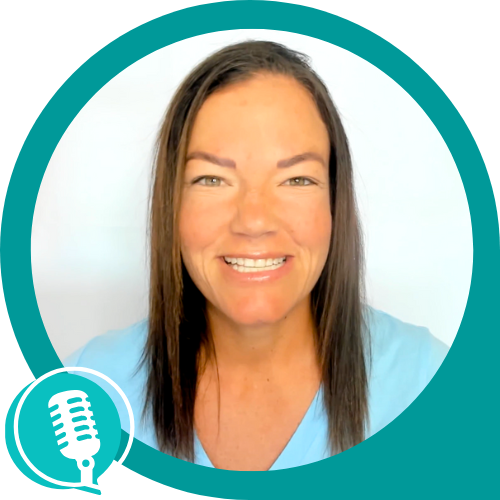
Kristi Kandel
Developer | Mentor | Co-Host of the LRED Podcast
Kristi is a real estate developer with nearly 20 years of experience and over $450M in projects across the U.S. Today, she focuses on helping locals step into development and build in their own communities.
She’s the founder of I&D Consulting, Local Real Estate Developers (LRED), and co-founder of Elevate, a community-driven sports and wellness concept.
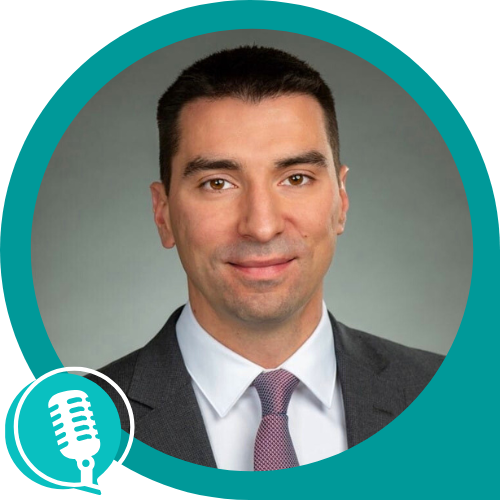
Raphael Collazo
Commercial broker | Author | Co-Host of the LRED Podcast
Raphael specializes in retail and industrial properties, bringing a problem-solving mindset from his background in engineering and software. As a commercial real estate advisor and developer based in Louisville, Kentucky, he works directly with investors, tenants, and cities, bringing a real-world view of how deals come together.
🔗 Related Episodes
How to Become a Local Developer: Katie Neason on Infill and Taking the First Small Bet | EP#29
A great companion episode on local infill, city relationships, and taking practical first steps in development.
How to Start Real Estate Development: Steph Weber Bought the Land First and Built the Plan Later | EP #41
A real look at taking your first development deal from idea to execution without having everything figured out.
Small-Scale Development: How She Left Her Corporate Career and Built a Tiny Home Village | EP #39
Another path from traditional career to building a community-driven development project.
About the Guest
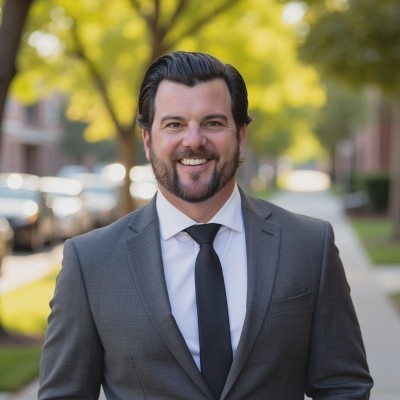
Kelvin Enfinger is a Vice President at Greenhut Construction based in Pensacola, Florida. With over 15 years of experience, he has worked across national retail and community-focused projects, specializing in healthcare, education, and infrastructure development.
Connect with Kelvin
🌐 Website https://greenhut.com/
📸 Instagram https://www.instagram.com/kelvinenfinger/
💼 LinkedIn https://www.linkedin.com/in/kelvin-enfinger-jr-953b21110/
Full Transcript
Kristi Kandel (00:41)
Welcome to the local real estate developer podcast. I'm Kristi, your co-host and I'm a developer investor and I teach locals how to become developers in their own community. And unfortunately today, Raphael was not able to make it, but we do have an amazing guest. He is a general contractor in Florida and we've connected offline and have talked so much about the different types of community projects and impact that
we can make across the board in our community. So I'm very excited to have him here today. We have Kelvin Enfinger on the show. Welcome to the show.
Kelvin (01:17)
Thanks for having me, Kristi. I'm excited to talk about some local development and what you guys do and what we're doing up here in Pensacola. So thanks for the opportunity.
Kristi Kandel (01:26)
Heck yeah, thanks for being on. So one thing we want to do is maybe give a little bit of background of how you even got into construction in the first place and just go from there.
Kelvin (01:37)
Well, it's, I guess it could either be an interesting or non-interesting story, depending on who's listening. My career path is, from where I'm at today, is very different than most. So I actually got into construction because I grew up in a construction family. And I jokingly just tell people that I didn't know any better. So it's all that I knew having both a father and a grandfather that were in construction. So I actually went to work straight out of high school for my father as a carpenter.
And so I worked, I worked as a skilled tradesman in the field, eventually worked my way into, into field management. Did a lot of retail construction, kind of traveled all over the Eastern United States, doing a lot of big box retail work. been about 16, 17 years doing that. Then eventually found my way back home to Pensacola here at Greenhut construction. And from that point on, you know, the rest has kind of been history. But, but my career path, I started as a skilled tradesman in this industry.
and kind of worked my way, you know, navigated through a little bit of an unorthodox career path, but here I am.
Kristi Kandel (02:39)
Yeah, we had talked offline about working for the big boxes and the national tenants. And one thing that I get asked a lot because people think, if I could just work with this national tenant, like that would be so awesome because they've got all this credibility. Sometimes I like to pull the curtain back a little bit on what working with national tenants is actually like. you have any stories or insights of maybe that versus working with other types of clients?
Kelvin (03:05)
We could probably do a whole podcast on working with national tenants, especially national retailers. But we might get in trouble saying too much. I'll try to think of a way to say this. We're not too incriminating, but extremely difficult. I think it's a demanding world. It's tough. It's really about production. And schedules are extremely tight. Budgets are tight on those projects. ⁓
Kristi Kandel (03:26)
Mm-hmm.
Kelvin (03:28)
And it's certainly an industry worth exploring. There's a lot of experience to gain from that and for a lot of companies that are willing to travel and have that experience in fast-paced, just tight schedule type of construction. It's a viable world to live in, but it is a difficult world to live in. And I've got plenty of war stories. I just don't know how many of them I would actually share, but I'll just say that it's a difficult world.
Kristi Kandel (03:54)
Yeah. And I like to just share with people, it's like when you have a national brand that's out there, they have, and they're expanding in various markets, their systems have to be dialed. They have got things, they have their technology they use and their software platforms. They have the real estate teams, their PMs, their construction. And if they don't have those systems in place, they would not be able to do the scale at what they do. But what those systems bring is they bring a very, like you said, it's very
It's very like here is the way we're doing things. So it can be great. And again, I agree with you. gave me tons of experience in development. I spent a good chunk of my career working with the CVSs, the family dollars and building, you know, 30 to developing and building 30 of those a year in California for a period of time. So it was, was great experience. But then it also is refreshing when you work with
maybe smaller developers or cities or other groups and you go, hey, we can be creative now. Like we can kind of get in and start to work the deal a little bit differently. it just, it's depending on what you're wanting for where you're at in your career, can be. It can be good either way.
Kelvin (04:58)
It
is a really fine-tuning machine that most of the big retailers operate off of. And so it is interesting, a lot of respect for the programs that they run and how they do it, days or dollars to them. And so you're always against a hard deadline because if you miss a grand opening date that they've programmed in, especially for the major retailers, it's a huge cost impact to them. they're by right, their program is built to be demanding.
Kristi Kandel (05:12)
Mm-hmm.
Kelvin (05:24)
They have high expectations, but you can gain a lot of experience from going out there and working in that world and meeting those expectations.
Kristi Kandel (05:31)
Yep, exactly. Okay. So then you, when you, when you left that and you came back to Pensacola, what was, what was that, like to then, and how did you land on this company to go, Hey, I w want to change things up and do something a little bit different.
Kelvin (05:44)
Well, so I'll start with telling you a little bit about Green Hood. mean, it's an 80 year old family owned business. It's the oldest general contractor in the Pensacola market and certainly one of the largest. And so the type of work that they were performing is something that interested me. I mean, it was community driven work. It was stuff that gave back to the community. It provided services for the community. And that's something that I've always been very interested in. And I'm not saying that, you know, when I ride around, I'm not, you
passing by something that maybe I built 15, 20 years ago and not proud of it. But it does bring a little bit different sense of pride if you're involved in a healthcare project or an education project versus a big box retail store, right? You're just providing a different service to the community. And the reputation was extremely sound and solid. Made a few phone calls and just wanted to find my way into here. So this was my first stop and this is where I came to. And fortunately, this is where I was able to land.
And that was right at 10 years ago now. And so actually, actually, actually came here in a superintendent role, took on a assisted living project here, not too far from the office, worked through that. And then, then moved back out of a superintendent role into a general superintendent role. then a years ago into a vice president role here with them. But my decision was driven based off the idea that I wanted to be involved in projects that meant something to the community.
something that would be long lasting and that not only my children but grandchildren's generation could look at and say that, hey, know, maybe dad or granddad had a part of that and a continuum to provide a service that's meaningful.
Kristi Kandel (07:22)
I love that. And that is the really cool part of development is that we're building things that you do not only get to drive by, but you get to use, you get to see, like you said, the community impact that you're bringing from. You're not just creating jobs, now you're creating spaces, like you said, with assisted living. Now there's a different experience that someone could have as their parent is getting older. And it's like, hey, cool, we were able to play a role in that.
Kelvin (07:49)
What's the challenge of not building the same thing twice too? That's the uniqueness of what we do. Very seldom do we ever have the opportunity to go do the same thing over again. It is that challenge of working through the uniqueness of this project, different design team, maybe different site conditions, different client. I like a good challenge. That's one of the things that I enjoy about it, outside of being involved in something.
that is so meaningful to the community, but just that challenge of venturing out into a new project with a different set of challenges.
Kristi Kandel (08:21)
of that. So as our audience is either people who are about to start their first project or maybe they've done one or two and they're like, okay, I get this, but I want to do something bigger now or I want to maybe partner with someone and try something new. One of the things that comes up though is they go,
can I really take on a bigger construction project? Because maybe in some cases, they're actually GCing and they're hiring the subs themselves on smaller builds. So if they're ready to level up and take on a bigger one, maybe can you provide some insights from the GC standpoint for how a developer could find a good contractor to work with and when in the process they should engage them? And there's clearly so much more to talk about from there, but maybe just that initial part.
And also when someone approaches you, what you're thinking of that person, because a lot of these, a lot of our listeners will go, well, why would they want to work with me if I haven't done a project and maybe I don't have experience?
Kelvin (09:07)
No, don't. Yeah.
Yeah, so let's peel that back and I'll say that let's start with when. So I think the win is as early as possible. So if you have a design team on board and you're looking at a large project, you should be looking at bringing in a construction manager. And that's essentially what we do. We do a little bit of design build, but primarily we're seeing them at risk. And so we want to be involved early with the client and the design team to help navigate that process, give some budgetary work to that project throughout the.
throughout the design process and be able to give input. Nobody knows the market better as far as material calls, material escalation, kind of what's driving costs in the community than the contractor. We live it every single day. For the developer that's thinking about doing something on their own as a GC, I would caution anybody with that mentality, especially on a larger project, that you wouldn't take care of your healthcare yourself. You wouldn't be like, I'm...
I'm sick, so I think I'll diagnose myself and I'll treat myself right. it is, AI is educating a lot of people, but there's still some flaws in it. So if you're, if you're basing your project knowledge and your ability to perform on a project off of a chat GPT, I would be, I would be extremely scared of that. And I would say, go out and find yourself a good contractor. Don't take that risk. There's going to be cost benefits to having somebody on board.
Kristi Kandel (10:13)
I don't know, AI is diagnosing me and I can't write the script now.
Kelvin (10:37)
that is educated in this space. And when it comes to choosing the right contractor, think much like us, when it comes to choosing the client, you've got to do your research, ask around about them, get some references and go with your gut. I I think you just need to sit down and talk to people and talk through it. And if there's some red flags, then pay attention to those red flags.
But if you have that feeling that there's a partnership that can be formed there and a level of trust and you're dealing with someone that comes well recommended and there's a lot of integrity there, that's the direction I would be going in as far as making a decision.
Kristi Kandel (11:09)
degree. So as they're as they're trying to figure out what contractors say they're just getting started and they're like, okay, we did a smaller tiny home community where things were pretty fab and done. So we didn't really need vertical construction. But now say they're going and building a small mixed use building. How do they even how would they go about going? Okay, I know I need a contractor. How do I find one? And how do I find the right one who knows how to build mixed use first residential verse something else?
Kelvin (11:36)
Well, most of the time you'll see in public work, you'll always get, you know, you know, an RFQ out for contractors to respond to. You know, I would suggest for somebody that just has no way of being able to get out information to a contractor, don't understand, maybe reach out to a local chapter of associated builders and contractors. They can provide a list of contractors to anybody that reaches out that are,
that are kind of fit for that size work or maybe has that experience. But once you connect with those contractors and you want to interview them, pay attention to their experience. Experience does matter. There is some crossover, you know, a contractor that has lived maybe in the retail space can have some experience in mixed use. But when it comes to healthcare, healthcare is a very specific world. You want somebody on board with specific experience to healthcare.
just like the differences of low rise, mid rise or high rise construction can all be very different. And so you need a construction partner that brings in strong experience just because they're going to have the lessons learned. They're going to have the team members with the inside knowledge of how to execute that project and execute it well.
Kristi Kandel (12:41)
And at that, so let's say maybe someone found it and they have a project because maybe they own the land from something or they have that secured, they found the contractor. Do you guys, do you recommend talking to the contractor to say, hey, what architects and engineers are you familiar with and getting referrals from that? Would you prefer the developer builds their own team and then everyone just works together? And I guess coming from a contractor's perspective.
Kelvin (13:07)
It can work either way. There's projects that we're involved in now or have been in the past where clients have reached out and said, Hey, we intend to use you guys. want to just contract directly with y'all negotiated, but we want your help in building that design team. And we're going to take on, you know, the, the, the design and bring you guys in as a C MAR. Sometimes people will ask if, know, if we're interested in pursuing a project as design build, and we'll talk through it see what makes sense.
Most of the time, clients, developers that have a lot of experience in the space that they're operating in has their preferred design teams. They've already got them on board and they're just reaching out to us and bringing us in. It's that early CMAR to help navigate the process. So it can really go either way. And I think it's probably developer and project specific is how it needs to be evaluated.
Kristi Kandel (13:56)
So like everything in development completely depends. I was just, right. I was just talking to someone, I think we were at tech week in Tamer Bay and we were talking about different development nuances. it's like the very first thing when I hire someone and bring them in is tell them there are no definite statements. Do not ever say that something always happens, never happens. I said, because I guarantee there is an exception and you will be proven wrong. So no definite statements.
Kelvin (14:00)
Absolutely. There's no black or white answer. It's all fluid, right?
Kristi Kandel (14:26)
Everything is very gray and here's a general rule of thumb, but then there's going to be, but if this happens and this and this, that that's many nuances to it.
Kelvin (14:37)
Construction can be very fluid for many reasons. So we could do this podcast again tomorrow and I might be able to give you different answers. So that's the world we live in.
Kristi Kandel (14:43)
Very true.
Very true. Which is interesting because I jokingly say I'm like the by the time you get through entitlements and permits, I'm like, then it's black and white, then it's nuts and bolts and you build, which is not true either. But it's I prefer and I enjoy the entitlement part and permitting and navigating all the stakeholders. And when it gets to construction, that's when I go, okay, like that's more time intensive boots on the ground. I'll let the
guys go to that. So it's kind of my joke of like, sure, you just just build for the plan. There's, there's nothing that could go sideways or wrong in the field, right?
Kelvin (15:18)
Well, I think a lot of people just don't understand how impactful local regulation, your local jurisdictions are on projects. And we're pretty blessed and fortunate here, but both local politics, state politics, and national politics all play a huge role in what we do every single day. And not just from the success of our projects, but how those projects come together, how quickly they can come together. And I know you and I live in two different worlds.
and where we could take a project and take it through a development order process and a permitting process in a matter of months. In South Florida, from what I hear from other ABC members that I communicate with, maybe specifically down in Miami-Dade, Broward counties, they're like, it's years. So for us, it's months, there's years. And that's a huge impact to a project because what you're planning right now and you're trying to budget for two years from now.
is not even going to be close to matching up. so trying to keep those projects alive and keep them moving forward when you've potentially two years of review to even get to a permit to break ground, it's extremely difficult for the contractor. And most people just don't realize how impactful that is. Because as I said earlier, how fluid it is, right? So cost escalation is a huge impact to our industry. So as we try to navigate that,
Kristi Kandel (16:32)
Yeah, which.
which
we should talk about how that is when we engage early because yeah, like you said in Miami, but also like the project we're working on with Elevate Southwest Florida, when we start the phase two entitlements, that's a nine to 12 month process. That's just entitlements, the right to have what we're trying to do. Then we go through the permitting process. So that's probably another three to six months. So at that point, like we could be talking now, and let's just use that as an example.
So we say, okay, we're going to start phase two. We need budgeting. need swag numbers to say, here's what we're building. Here's the costs. So that way we're constantly underwriting it and making sure the deal makes sense. So we would engage a contractor like you and we'd say, okay, give us numbers and we'll do it. What caveats or what things would you highlight to say or what contingency would you put in knowing that we're at minimum?
12 to 15 months from even putting a bid package together. So how would you advise someone like me developing it to go, we're going to give you these numbers, but here's how we can kind of have safe numbers for the future or at least know where things are volatile.
Kelvin (17:52)
Well, everybody involved in the project has to carry some level of contingency, right? So both the developer, the design team, as well as the contractor, and that's going to be based on the project, the market and how certain they are of the documents and what review is going to do to it. you know, carry that level of contingency that you're going to be comfortable with. COVID changed everything for us, right? So on the construction side, you know, we saw, you know, price fluctuations happening daily as to where
There was a time where if you locked in on material pricing, you could pretty well guarantee that for 30 days or 60 days, however long it took to get approval for that project from the owner, that you could come back and lock that in and it would be pretty stable. Once COVID hit, all that went out the window. So not only long leads increased drastically, but pricing got very fluid. so escalation is all over the place and that's driven by
You know, the current administration, you know, the state can even have certain impacts on that. And so it's, it's tough when you've got projects that, that are eight or nine months out from a decision-making standpoint. So, you know, everybody has to cover themselves with some level of contingency to make sure that when you get to that point, that there's no, there's no shock when the contractor comes back and you've seen a 10, 15 or 20%.
you know, cost increase in that project that could potentially kill it, right? Because you've been working off of bad data.
Kristi Kandel (19:19)
Yep, exactly. so typically what we'll do is we'll say, okay, let's, let's, you know, get the numbers together and the estimating based on current, current pricing, the experience, but go, Hey, let's keep an eye on these, this handful of things. These are the ones that can really fluctuate. let's add, you know, whether it's 30 % or just put in some kind of contingency to go, okay, we're going to keep an eye on these and maybe even set up a trigger. Like every, I don't know, like say it's, it's
15 months that we're going through, maybe at six months in, we do a gut check and go, hey, how's pricing? How's this looking to where we just see what has changed or shifted in the market one way or another. But then you brought up a good point where you can lock in pricing at one point. How has that changed? So are you still able to lock things in for at least 30 days or how does that work with your vendors?
Kelvin (20:10)
Most recently, yeah, we've been able to get guaranteed pricing for 30 days or more. Now, I'd say, just post COVID, electrical components were changing daily. We were getting 24, maybe 48 hour price guarantees on some components. So it's tough. Nobody's making a decision in this business the next day. And so that was pretty tough to navigate to make sure.
Kristi Kandel (20:32)
Mm-hmm.
Kelvin (20:35)
Because it's an unknown, right? It's a world that none of us had ever lived in. So we didn't know what does this mean if pricing is not locked in for more than 48 hours? What is it going to look like in a month? So we navigated through those times, know, knock on wood, you know, we're out of that and hopefully we'll see that again in our lifetime. you know, I would say that one thing that we have been able to really hone in on and be extremely successful at to help our clients is early release packages.
because electrical components, HVAC mechanical components, generators, things like that, they're all somewhat fluid. And so the earlier that we can get locked in, get an early release package out to maybe, here we're fortunate enough that we can get early release permitting to get out, maybe get started on foundations. Maybe if it's a steel structure, get the steel ordered, get that locked in.
So big components, concrete, steel, big MEP items, locking those early in through an early package. So if you're far enough along in the project and the developer is certain that the project's gonna move forward and they're confident to at least say, we're gonna release you with 20, 30% of the funds to go out and get started and let's get these materials locked in and let's get on site and at least start turning some dirt.
Kristi Kandel (21:31)
Switch here, yeah.
Kelvin (21:52)
to get this project moving forward. And that helps a great deal because oftentimes if you just sit around and you wait for 100% documents, price it, and let's get to a final guaranteed maximum price, there's going to be some cost escalation issues.
Kristi Kandel (22:44)
Yep, yep. that is development is inherently risky. And there are things along the way where you will never have complete information and you just have to make those calls to go, do I have enough information? Are we far enough along the, that we're good with, like you said, this electrical package, this HVAC, this steel to where we know these are longer lead items. We're gonna take the risk to know we can do this or that we have a plan B. If for some reason something changes, it's not gonna.
going to hurt that, which those are all, it's why you put the developer hat on. It's why you get in this because you go, okay, I'm a problem solver and I'm going to make educated decisions to push something forward and bring something awesome to the community. So from that perspective,
Kelvin (23:28)
Well, that's kind
of the beauty, I guess, of having a CM on board early with a good design team, because you want them communicating. You want the design team asking the construction manager, what are the pain points right now? What do we need to be looking at? What do we need to expedite from a design standpoint to make sure that we can get you structural drawings earlier? We can get you at least the major packages for mechanical and electrical out, so we at least understand what the loads are, what does the main gear look like.
getting things like that solidified and being able to get them turned loose is important. So that's why, you know, I'm harping on this a little bit, but the importance of having a construction manager on board early with a design team that is communicating and working together is extremely important to the success of every project.
Kristi Kandel (24:10)
I know early in my career, would bring the GCs in at mid time. And that was terrible. you you do a couple and you go, no, no, no. We actually wanted the contractors in earlier because, let's say that the city imposed some restrictions and said, hey, you need to dress up the building in X, Y, or Z. And the architect took the prototypes they were working with the national tenant and then tweaked it and used material that if we had brought a contractor in, they would have said,
Oh no, that's like three times the cost. It's going to be huge on labor for my guys. So it's going to add to the schedule. And if you just did this material, you'd achieve the same thing that the city wanted, but you wouldn't have nearly the cost of the time impact. So how, I mean, I'm a huge proponent now of bringing in, like there is no such thing as value engineering. It's called, let's get the team together to talk about this during design. we're, actually doing this from the start instead of trying to squeeze everyone 5 % or 10 % more.
Kelvin (25:05)
couldn't agree more. think design, bid, build, or hard bid method is, in my opinion, the most outdated way of doing business in the construction and development industry there is. And I think everybody ought to be taking a look at it and moving away from
Kristi Kandel (25:19)
And when you guys do say the pre-construction services, and it's probably the gray area sometimes you do, sometimes you don't, do you do contracts to say, we're gonna give you someone with our time and to help you do this from basically pre-construction services to get up to bid? Or do you say you're, we'll do it for free, but we're going to be your contractor? How does that balance play out?
Kelvin (25:42)
It depends on the, really depends on the client, the type of project. We do have a dedicated director of pre-construction and that's all he does. So he is working full time with our clients as we, as these, as these projects come to us, getting them all the way to final GMP. And then he hands them off to the project management team. And so he's, he's fully dedicated to doing that. Obviously some projects are much larger, heavier lift that require a lot of his time. And so there's usually some, compensation aspect to that.
typically discounted if the project moves forward and we're the CM. There's times that we just provide, you know, pre-con services at a fee for projects that we're not involved in as a construction manager. And that's very rare. But yeah, that is his full-time job and he is dedicated to that. We don't want him focusing on anything but making sure that that project is set up for success from the very beginning.
Kristi Kandel (26:34)
Yeah, for sure. Okay, so we've kind of talked just generally about how to integrate contractors and with the teams. Let's talk about some projects that you guys are actually doing in your community. You had talked about the assisted living. are maybe a couple of the projects that either made a big community impact or just were fun to do?
Kelvin (26:53)
So we work primarily extremely heavy in the healthcare education and in most recent years in aerospace because we've seen some aerospace growth here in the Pensacola market. And so we've had the opportunity to build a couple of large hangars for maintenance, repair and overhaul over Pensacola airport. And then one for a private aviation company that furnishes helicopters to the Navy for training over close to NAS Whiting Field.
really, really cool, impressive projects to support naval operations as well as just supporting just aviation in general here in the community. Big job creator, certainly jobs that you can be proud to be a part of when you walk away from it. know that you've either supported a military mission or you've supported something that was a big job creator for the community.
Education and healthcare is kind of always my favorite and we have several education projects going on right now for our local school system as well as our local university, as well as our healthcare providers here in the community. We have two different projects going on on campuses for them and so those are the projects when you walk away from it. And we've just finished something that's going to provide a healthcare service to a child, a mom and dad, a grandparent.
And then, know, it's kind of the same with education facilities. When you finish one and you see it open, you cut the ribbon and then you get a chance to go back and you see the kids sitting at their desk and know that you've created a vibrant space that is something that both the teacher and the child can be proud of to be in and knowing that that makes a huge difference in how a child's education progresses based on the environment that they're in when they're learning.
Those are my two favorites. People have asked me before, do you have a favorite project? And I don't because all of these are my favorites because they're all different. They're all meaningful. Cool project that we had an opportunity to be involved in here at the Port of Pensacola most recently. American Magic, a sale team who competed for the America's Cup in Barcelona a couple of years ago, relocated their headquarters from New York here to Pensacola.
And so they have essentially refurbed a building. We refurbed a building for them to be a high-performance sailing center. And so they're bringing sailors from all over the world recently partnered with a company for an organization, SailGP, which is like the F1 of sailing. And they are, they are in Pensacola Bay doing their thing and training. And so it's, it's really cool to see something completely different that we've never seen before to this level in Pensacola here.
Kristi Kandel (29:11)
Ha
Kelvin (29:22)
be a part of that. bringing something new, bringing a sport that is is competed for on the world stage, as well as just seeing young men and women come through here and to be trained. Something unique, it's different and something we can all look back and be proud of.
Kristi Kandel (29:38)
That's very cool, very cool. So as, and these are all local projects you're doing within Pensacola itself.
Kelvin (29:46)
They are. So we've, you we advertise that we work a hundred mile radius of Pensacola. We have not left the two county area in the past five years. So we've, we've pretty much operated in Scampia and Santa Rosa County. So everybody's local. Everybody on our team is here local to, those two counties. So everybody's able to go home, be with their families at night, have a quality of life, sleep in their bed and not travel. And so we, we strive really hard.
to be able to maintain the level of work that we do here at home and keep everybody at home.
Kristi Kandel (30:16)
That's incredible. I know.
Kelvin (30:17)
helps us keep our pulse on the projects too
and what's going on with our team members and our projects and we're not spread out across the state and that's helpful.
Kristi Kandel (30:25)
Yeah,
so true. So how have you seen Pensacola then evolve and the surrounding area evolve? Because I think you were at year 10, you said earlier, since joining the company. How has that changed in the community?
Kelvin (30:38)
Well, it's progressed rapidly. mean, we're having, we're at a strong time of growth right now in the Pensacola community. A lot of that can be attributed to a couple of good mayors, a local developer that really played a huge part in changing the trajectory of Pensacola and where it was headed. Even though I've just been with Greenhub for 10 years, this has always been home to me. So my entire life I'm from here, my family's from here. And so I've seen Pensacola.
during the not so good years. I've seen Pensacola during the years where you didn't really want to go downtown Pensacola for much of anything. A lot of abandoned, old historical buildings, closed up shops. there was a few projects quite a few years ago that really kind of helped change the trajectory of where Pensacola was headed and really kind of kicked off the revitalization of it. A lot of that is attributed to
to Mr. Quint Studer who brought the Blue Wahoos baseball stadium into downtown Pensacola. Been very instrumental in revitalizing several of the historical buildings downtown and that really just kicked a lot of things off. So we've seen new restaurants, new nightlife. Just the whole downtown area really changed, new hospitality coming into the area and it's created a destination and it had lost that feel.
Pensacola is a military town. It's kind of always been known for that. is the, you know, named the cradle of naval aviation. It's the home of the Blue Angels. And so we're, big supporters of our military and what it means to our community. We certainly wouldn't be where we are without them. And it's important to the growth that we've had, but we've, we've certainly seen an influx of private money, new ideas and new opportunity coming. And it's, it's really turned Pensacola around. I'm proud to see it.
because it's a place now that I think will bring appeal to the next generation to want to stay here and not move off and go find gainful employment and build a life somewhere else.
Kristi Kandel (32:36)
see that's that's exactly why we do this. It's it's how can we get a little bit of momentum going and you said you had a couple good mayors, you had a couple good local developers working to start that ripple effect and then now like you said now new restaurants are coming in, new businesses, the downtown revitalized. That's the power of local development and focusing in and it's so awesome that you get to have your team and your company to where your your people can be locals who don't have to go travel hours away to a job site and go stay in a in
in another city for three or four or six months at a time. So that's quality of life across the board from development operations to community, is incredible. we know it's not like development construction and all of it. It's not all sun chimes and roses and rainbows and unicorns. So when things get challenging and difficult, how do you personally, what are your tools that you use to go, okay, I'm gonna.
you know, stay motivated, pull myself back up out of this. But so when you do get those curve balls, what are some of the tools and tricks you use?
Kelvin (33:35)
Well, you know, taking care of yourself is important, right? And being able to stay mentally strong in a very challenging field. This isn't the only field that can be challenging. And so, you know, we always, we should always keep our families and our personal health, you know, at the forefront of everything we do. Challenges will come and go. And so, you know, for me to not, you know, I've hit this point in my career to where I'm not necessarily as reactionary as I used to be to realize that the world's not going to come to an end.
We will find a way to work through this. And I think one of the, probably one of the greatest tools that we have, and this goes for any industry, is working through things as a team. Because while I may be stuck on something, I may be struggling with a solution. Oftentimes there's a totally different perspective from a team member that I need to lean into and just get around the table and collaborate and talk through it. And oftentimes a solution is, you know, maybe just
in the office next to me or a couple offices down and let's get together, let's talk through it. So, you know, coming to that point to where we all should realize that we're not always the smartest person in the room and we have great team members for a reason and we should always lean into them. And oftentimes you'll find the solution is much closer than you realized.
Kristi Kandel (34:52)
And you said earlier, I don't, not as reactionary as before. I remember early in my career, things would happen. We'd go into a city meeting and the city would say, okay, you need to underground all these overhead power lines. And that meant like hundreds of thousands of dollars of cost and it killed our deal. And I would walk out and I'm like, my gosh, we've already spent 75,000. We're going to lose that and the deal's going to blow up. And I'm freaking out. And then I would have my veteran consultants with me who had been our...
around for quite a while and they're like, no, there's a way. We're going to step back. We're going to let it sink in. We're going to talk to, like you said, engage team members, talk to other people, figure out what our angles are. And like that one specifically, we were able to negotiate out of undergrounding the power lines by showing a hardship. But now having that mentality of a curve ball is going to happen. The deal will blow up.
three or four times throughout the project. So when it does go, okay, I was expecting you now let's, and I like to either go for a hike or a ride or do something to get out and then talk to people. But it's, that's the fun part is in finding that solution and working together with your team members to go, all right, all right, let's figure it out.
Kelvin (36:03)
There's a solution to every problem in this industry. I believe that. And oftentimes we just need to take a deep breath, step back. Sometimes we need to sleep on it, come back to it tomorrow if it's not extremely urgent. And if you don't have a solution by morning, then it's probably time to engage some team members and talk through it collectively and say, here's my ideas, what do y'all think? And maybe you had the right idea all along. You just need some affirmation from someone else in your organization. But there's a solution to everything that comes up in this business. And you just got to be patient.
Kristi Kandel (36:09)
Yes.
Totally agree. So on that note, that was also already good advice. What advice would you give to a developer getting started? You've seen a lot of things in projects to just kind of help them either with the confidence or the perseverance to keep getting through or just thinking bigger picture about the impact they're making. What advice would you give to someone who's about to get in on their endeavor?
Kelvin (37:01)
Well, don't give up. mean, perseverance is something that, that obviously it takes a lot of in this business. It is a tough business, whether you're either on the contractor side or the developer side of it. you know, and, long with the, with the patients that takes perseverance, you gotta be strong, you gotta be strong minded, strong willed, keep pushing on. one piece of advice I think I would give to anybody, whichever side of this you're on is to find an extremely good mentor. And I think mentorship is important.
to find someone that can help you navigate it and just learn from them and never stop learning. I mean, regardless of how old you are. I mean, if you're starting out of this and you're your 20s, you're like me, maybe in your mid 40s, or you're getting on the tail end of your career, getting close to retirement, there's always room to grow. There's always room to learn. There's always fresh ideas and there's new things that can be pulled from a variety of people. So find...
Find groups to be involved in, people that you can network with, talk, absorb that, take it all in, but most importantly, just find you a good mentor that you can bounce ideas off of. Find somebody that's not a yes person that will just be brutally honest with you. Just be level playing field. That is a really dumb idea. You need to hear that sometimes. And that's important.
Kristi Kandel (38:13)
Very true, 100%. And having that great mentor and people ask all the time, they're like, well, how do I find a mentor? And if you're willing to take action, so like for me, I ended up finding my consultant teams, whether it was a civil engineer, a general contractor, an architect. And when you show people that you're willing to listen and to take action from the things that they said, and then come back to them and go, cool, I took action, I ran as far as I could.
I'm stuck again now at this new spot and you come back to them. One, most people don't take action. They ask you for advice all day long and then never come back and never move forward. But when you do that and you come back, then it's like, well, like you're actually into this, you're learning. So it is something that someone helped us get to where we're at. And so it's just a matter of we want to help other people along the way.
Kelvin (39:03)
keyword and everything you just said was taking action. And for people that want the advice, they don't want to adhere to it. They don't want to take action on it. They're wasting their time. They're wasting a mentor's time. Everybody's time, you know, that's involved in the process of trying to help that individual grow. So if you're not willing to be flexible and you're not willing to learn and you're not willing to accept your mistakes and to learn from them, you're going to struggle in this business. It's going to be a really hard life for you. So you got to get to that point where you realize that
you don't know it all and you're not the smartest person in the room and lean into everybody else and hear the advice, but take it and utilize it and grow with it.
Kristi Kandel (39:42)
Yep, yep. And then you can do really cool stuff in your community and then it's awesome. So, for you personally and with Green Hub Construction, just thinking forward to the future, like what you guys have already done just in the decade you were with them so far, what do you see in the next five, 10, 20 years and the type of impact and how Pensacola continues to take awesome strides forward?
Kelvin (40:03)
Well, I think for us, know, to keep doing what we're doing, you know, keep operating an organization with really good people, really good teams, you know, just being, you know, just being honest and full of integrity in our business dealings and what we're doing. Most of our work comes from repeat clients. And so, you know, we hope as, as, as things move forward in this Pensacola market, those clients will continue to grow. We will grow with them. We will continue to service them and their needs and what they need. There will be new clients that will come along.
And we will provide the same level of service to them because you what we've seen just in the 10 years that I've been here with Green Hut, we've seen different industries, right? We didn't, we weren't talking about aerospace when I first came here. We were not talking about maritime when I first came here. We were not seeing the industrial growth that we see in this market today when I first came here. And so I would expect that in the next 10 years, we'll be talking about, you know, new industries that are coming to the community.
And we'll be talking about those and we'll be finding ways that we can use our skill sets and how we can adapt to be able to service those clients and continue to grow Pensacola in a positive way. You know, recently I was talking to one of our local economic developers and he said something that I really appreciated him saying is that Pensacola is such a unique place and so many people want to be here. We have the opportunity to be choosing. And so we're in a, we're in a great place to where we have a lot to offer.
We live in paradise to some extent because we have beautiful beaches. We have a beautiful community and we have some great people here. And we have a really awesome workforce that is exiting the military every single year. And I may be wrong on this, but if my memory serves me correctly, it's somewhere around 5,200 service members a year in Northwest Florida are exiting the military looking for employment. So from a workforce standpoint,
You know, we have a strong workforce when we look at not only our young men and women that are looking to start a career, but also our military service members that are looking for new employment as they start the next chapter of their life. And so, you know, we're gonna continue to adapt as things change in Pensacola and continue to provide the level of service that we've been providing for the past 80 years.
keep building some really cool projects that give back to this community and something that we can all be proud of and never hang our head in shame and say, man, I wish we would not have been a part of that.
Kristi Kandel (42:32)
That's so incredible. I'm so excited for Pensacola's future. Like it just, sounds so promising with everything that's happening. And when community leaders are intentional about how development and growth happens, that's when you really start to see everything come together cohesively and you create that real community vibe and everything can just have synergy together off of that. That sounds incredible.
Kelvin (42:56)
Strong leadership is important and that's something that we've had the benefit of having here in both the city of Pensacola with our current mayor council, our county commissioners from the two counties have really put a lot of emphasis into economic growth, economic development teams that are here locally working to attract new business. so having strong leadership that'll stand up and say change is okay.
is extremely important. And today we're living in the results of having strong leadership for a number of years.
Kristi Kandel (43:26)
So incredible. I love it. So how can people follow along with you, Green Hood, the community? What's the best way if they go, cool, I want to see how this all evolves.
Kelvin (43:36)
Well, so there's several economic development pages for both Escambia and Santa Rosa County. So a quick Google search, you'll be able to find that same for the city of Pensacola. You can jump into their economic development pages and see what's going on there. Or just the community pages, both counties and the city all have social media pages as well as just a quick Google search and you'll find the websites.
We, we update some of that stuff through our socials as well. So you can find Greenhut construction on social media pretty easy, or go to our website at greenhut.com. And that's the easiest way to find us.
Kristi Kandel (44:12)
Awesome. Well, thank you so much for coming on. I always enjoy talking to you. can nerd out on this stuff forever. Thank you so much for being a part of this.
Kelvin (44:19)
sure.
Thank you for having me. I appreciate the opportunity.
Kristi Kandel (44:24)
Yeah. So for those of you listening, do this goes out on YouTube, Spotify and Apple and all the other podcast platforms. It does help us a ton. If you like, subscribe and share the episodes to help get the word out. We greatly appreciate that. We greatly appreciate you. And it will just help us reach a broader audience. So thank you for coming on the show, Calvin, and we'll talk to you guys next time.
Get the tools behind the episode
Access the Developer Vault with templates and real resources
©2025 I&D Consulting. All Rights Reserved.
©2025 Local Real Estate Developers. All Rights Reserved.