From Sneaker Hustles to Cabin Resorts: How Rajan Chida Built His First Development Deal | EP #7
Real estate development, cabin resort design, and turning hustle and partnerships into a first ground-up project.
What if your first development deal started before you felt ready?
This episode shows what can happen when curiosity, content, and the right partner all collide at the right time.
Rajan Chida did not come from a traditional real estate background. He started by flipping shoes during high school and college, stacked enough cash to buy his first rental at 21, and then got pulled into development through a land deal his longtime friend Renzo brought to him.
That deal became the start of a four-phase cabin resort project in Virginia.
This episode is especially valuable for young or first-time developers who feel like they need more time, more experience, or more money before they can start. Rajan’s story makes the opposite case. Start now. Learn fast. Build with people who complement your weaknesses.



Get the tools behind the episode
Access the Developer Vault with templates and real resources
Episode Summary
Rajan Chida’s path into development started in a way most people would never expect.
During COVID, while school was online, he began flipping thrifted shoes after watching Gary Vee videos about resale and hustle. What began as a side business turned into a serious operation. By college, he had rented a small office near campus, was making regular sourcing trips, and had built enough momentum to buy his first investment property at just 21 years old. That first rental gave him a real taste of what ownership could look like.
But development came through a different door.
His friend Renzo, someone he had known for years through high school tennis, reconnected with him in Texas and started talking development. At first, Rajan was interested but not fully in. He thought he would probably start with a fix and flip. Then that deal fell apart, and Renzo brought him a new opportunity: a two-and-a-half-acre land deal in Virginia with a vision to build a cabin resort inspired by Live Oak Lake in Waco. Rajan locked himself in a room, studied the model, and decided to bet on it.
What makes this episode so good is that Rajan is honest about what he did and did not know. Renzo was the lead on development. Rajan brought conviction, saved capital from his shoe business, and leaned hard into marketing. That division of roles mattered. It let each of them work from strength instead of pretending they could each do everything.
The first phase of the project was surprisingly approachable. They bought the land for $37,000, used part of that as equity for a construction loan, and had to bring in a relatively modest amount of additional cash to get moving. Rajan is very clear that while not everyone has the same support system, this kind of deal is still far more achievable than most people think.
He also breaks down one of the most important lessons in modern development: building in public creates opportunity.
Through Instagram, they found mentors, attracted the right contractor, built trust with an audience, and even started offsetting costs through sponsorship-style relationships for amenities like a sauna and cold plunge. They did not just build a cabin. They built a brand around the project.
There were still real challenges. Tariffs delayed windows. Snow slowed progress. Permits required revisions, including increasing the cabin size to meet local requirements. But instead of treating those as signs to stop, Rajan and Renzo treated them like part of the learning curve.
The strongest takeaway is this: you do not need to know everything before you start. You need a real opportunity, a clear role, people you trust, and the willingness to keep learning while the project is moving.
What You'll Learn
- How Rajan moved from shoe reselling into his first development deal
- Why a strong partnership can accelerate your learning curve
- How to structure a small first deal with limited capital
- Why building in public can help attract contractors, mentors, and brand partners
- What early setbacks in development actually look like
- How to think about development while still young and unproven
Bold Truth
You do not need developer credentials to start. You need conviction, resourcefulness, and the guts to keep moving.
Timestamps
0:00 — Intro
https://youtu.be/ggVtk8vfOm4?t=0
0:47 — Rajan’s first podcast and why this story matters
https://youtu.be/ggVtk8vfOm4?t=47
1:20 — How shoe reselling started during COVID
https://youtu.be/ggVtk8vfOm4?t=80
3:12 — Buying his first investment property at 21
https://youtu.be/ggVtk8vfOm4?t=192
4:28 — Reconnecting with Renzo in Texas
https://youtu.be/ggVtk8vfOm4?t=268
5:24 — The land deal that changed everything
https://youtu.be/ggVtk8vfOm4?t=324
8:09 — Why Live Oak Lake became the model
https://youtu.be/ggVtk8vfOm4?t=489
11:10 — Playing distinct roles in the partnership
https://youtu.be/ggVtk8vfOm4?t=670
12:30 — The actual numbers behind the first phase
https://youtu.be/ggVtk8vfOm4?t=750
15:26 — How they got the construction loan
https://youtu.be/ggVtk8vfOm4?t=926
18:06 — Finding the right contractor through social media
https://youtu.be/ggVtk8vfOm4?t=1086
20:19 — Guaranteed max price and controlling build costs
https://youtu.be/ggVtk8vfOm4?t=1219
23:08 — Why progress in development feels cyclical
https://youtu.be/ggVtk8vfOm4?t=1388
25:05 — Permitting challenges and redesigning the cabin
https://youtu.be/ggVtk8vfOm4?t=1505
30:59 — Using social media to get amenities sponsored
https://youtu.be/ggVtk8vfOm4?t=1859
33:47 — The long-term plan for four builds
https://youtu.be/ggVtk8vfOm4?t=2027
35:44 — Why Rajan wants to close the knowledge gap fast
https://youtu.be/ggVtk8vfOm4?t=2144
39:47 — What this story should mean to college students
https://youtu.be/ggVtk8vfOm4?t=2387
44:32 — Worst case vs best case on the project
https://youtu.be/ggVtk8vfOm4?t=2672
47:01 — What comes next for Rajan and Renzo
https://youtu.be/ggVtk8vfOm4?t=2821
Meet the Voices Behind the Mic
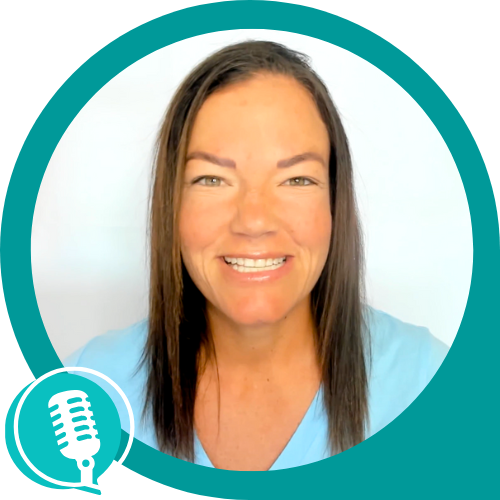
Kristi Kandel
Developer | Mentor | Co-Host of the LRED Podcast
Kristi is a real estate developer with nearly 20 years of experience and over $450M in projects across the U.S. Today, she focuses on helping locals step into development and build in their own communities.
She’s the founder of I&D Consulting, Local Real Estate Developers (LRED), and co-founder of Elevate, a community-driven sports and wellness concept.
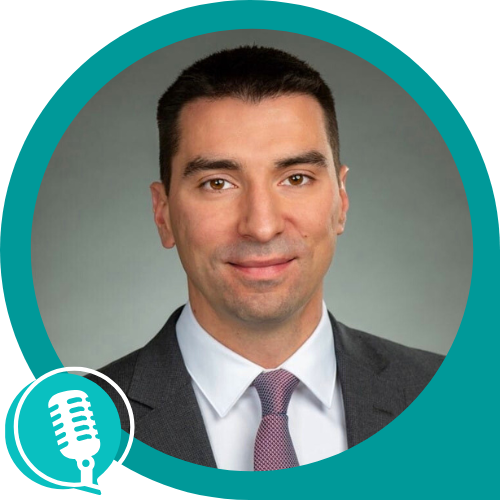
Raphael Collazo
Commercial broker | Author | Co-Host of the LRED Podcast
Raphael specializes in retail and industrial properties, bringing a problem-solving mindset from his background in engineering and software. As a commercial real estate advisor and developer based in Louisville, Kentucky, he works directly with investors, tenants, and cities, bringing a real-world view of how deals come together.
🔗 Related Episodes
How to Become a Local Developer: Katie Neason on Infill and Taking the First Small Bet | EP#29
A great companion episode on local infill, city relationships, and taking practical first steps in development.
How to Start Real Estate Development: Steph Weber Bought the Land First and Built the Plan Later | EP #41
A real look at taking your first development deal from idea to execution without having everything figured out.
Small-Scale Development: How She Left Her Corporate Career and Built a Tiny Home Village | EP #39
Another path from traditional career to building a community-driven development project.
About the Guest
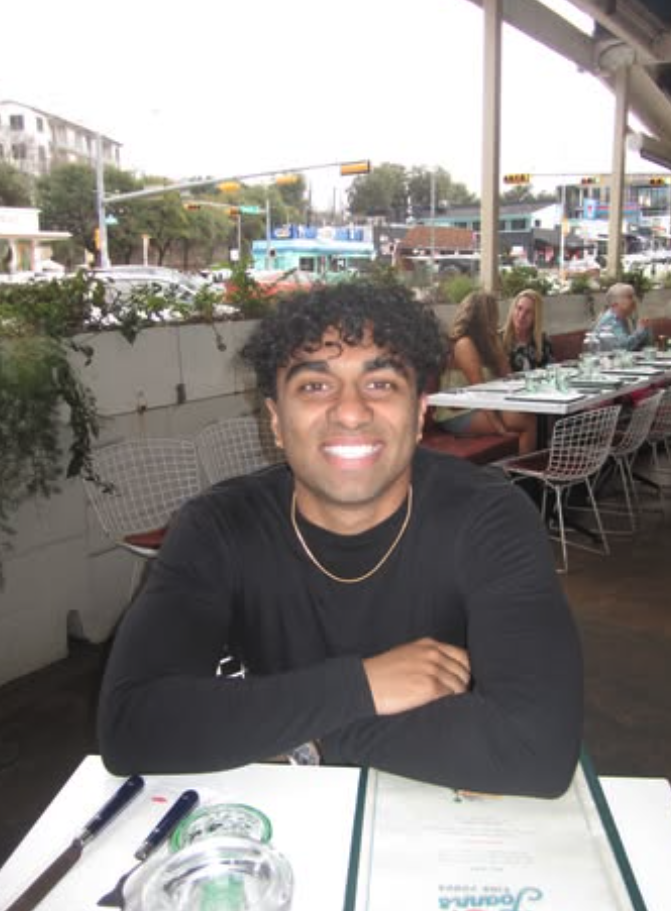
Rajan Chida is a young entrepreneur and first-time developer who transitioned from sneaker reselling into real estate investing and hospitality development. He is currently co-developing a multi-phase cabin resort in Virginia while documenting the journey and building a brand around the project.
Connect with Rajan
🌐 Website https://www.royaloakretreat.com/
📸 Instagram https://www.instagram.com/royaloakretreat/
💼 LinkedIn https://www.linkedin.com/in/rajanchida/
Full Transcript
Raphael Collazo (00:00)
Welcome to this week's local real estate developer podcast. Excited to see you all today. Today we actually have a phenomenal guest, which I'm going to let my co-host, Kristi introduce. So, Kristi, good to see you, as always.
Local Real Estate Developers (00:10)
Yeah,
good to see you. So today we have someone who we found on Instagram while he was putting out some great content on a shoe reselling hustle and he had mentioned something about getting into development. So we just started talking to him and learning more about what he was doing and holy cow, I get so excited just thinking about his project and how far they've come and how inspiring it is to everyone else out there because this is.
real, tangible, if you watch this story, you are going to believe that you can do it too. So let's go ahead and bring Rajan in, and how are you doing today?
Rajan Chida (00:47)
I'm great. This is my first podcast ever. hopefully we can I can make this little thing where I go on podcasts, but I'm super excited to talk about the project, talk about our story. I think it's something that people need to hear.
Raphael Collazo (00:59)
Yeah, hopefully this is the first of many podcasts, because like Kristi had sent me your Instagram link a little while ago, and I had a chance to review it, and you guys are just some pretty cool stuff. So we're really excited to kind of dive into your all story. So I guess to start off, one of the things we like to ask is, tell us a little bit about yourself, kind of a little bit about your background, especially leading up to getting into the real estate space.
Rajan Chida (01:20)
Yeah, so I guess we can start with so when I was in high school, I started a shoe reselling business like during covid. So my my school went completely online in 11th grade and they told us that our grades could not go down. They could only go up and I never went to online school. So basically what happened is I watched a video by Gary Vee. That is like my
Raphael Collazo (01:46)
Mm-hmm.
Rajan Chida (01:47)
That's like the one guy I want to meet one day. He's like my idol. Obviously he's like inspiration for a lot of people. Saw this thing where he went to garage sales and thrift stores and started finding stuff to flip on eBay. And I started doing that and I got my license like to drive obviously. And then started going to thrift stores and eventually niche down on really selling shoes. So my senior year of high school, I niche down on selling shoes, went to college.
I went to University of Virginia. I'm originally from Virginia. So two hours, two hours away from home. And my freshman year, I wasn't reselling shoes. I wasn't doing anything because like I didn't have a, we weren't allowed to have a car on campus. And then my sophomore year, I was really bored freshman year. So I was like, sophomore year, I'm going to continue this and rented out an office unit right next to campus, five minute drive away.
So yes, kept selling shoes for the rest of my college years and really fell in love with that game. It was a thing where every Sunday I'd drive up to Northern Virginia two hours. I'd hit like eight thrift stores, pick up from my local supplier. And then the last stop was right next to my house. So I saw my mom every weekend for the last three years. She'd pack me like a whole cooler of food.
And then I drive back down to UVA on the same day, but I loved it. And eventually I bought my first investment property using that shoe money on my 21st birthday. So November of 2023, that was my intro to real estate. I got super lucky.
Local Real Estate Developers (03:12)
Let me do take
that money and go, hey, I want to buy real estate.
Rajan Chida (03:17)
Yeah, so I had a lot of money like at the stock market. It was, I believe it was my dad that introduced the idea of like, why don't you try to look at this real estate thing? I got super interested in it. Talked to a couple of realtors in Northern Virginia. The prices were super high. Got referred to someone next to Charlottesville at UVA. And he's become like a great mentor in my life. He's a real estate agent, but he also owns about, I think like eight properties himself. So he was able to teach me to look at properties through an investor's lens.
You walk me through a bunch of properties, basically held my hand through the whole process. We found a good deal, closed on it. Um, and I've had a tent, like we've just had that ever since I have a property manager for it now. So I don't really like pay attention to it. Um, and yeah, my senior year of college started making content about shoes. That's what you guys saw originally. Um, and then my high school friend, Renzo, he, in November of 2024, he came to me with this two and a half acre land deal in front row of Virginia.
And we played high school tennis together. We've known each other at that point for about six years. And we were able to reconnect in Austin, Texas, where he worked at a development firm and I worked in Dallas, Texas at JP Morgan. And he basically, when we reconnected there, he was talking to me a lot about development and I was like, okay, okay, okay. Then I came to the school year. I just stacked enough money where I wanted to do a fix and flip with my roommate. A deal fell through. I was super bummed out. And then Renzo came to me with this land deal.
And he was like, yo, you want to go like 50 50 on this? And at this point, I'd known nothing about development. Renzo was like the expert on development. So I kind of just like lock myself in a room for like a day and just like did a lot of research on development. I was going to just like, screw it. Why don't we do it? This is like what I want to do. And from then on, it's been crazy journey. I think Kristi was there when we still had the land under contract and we were studying it. We hadn't even closed on the land yet. And so we studied the land for about 60 days, did all our tests, soil tests, all this stuff.
make sure it's zoned properly, close on the land in January. And now we blinked and we have our framing up, weren't it crazy? think I have like 140,000 on Instagram now, like people just love the story. We'll be getting some insane press and I don't know if we deserve it yet, but I'm happy that we're getting it.
Raphael Collazo (05:28)
Yeah, that's amazing. mean, I think what it goes to show is that there's a lot of people out there that want to do something like that. And so by you documenting the process, you're kind of speaking to the people out there that are always thought about doing something that you're doing, but you're actually doing it. There's this guy who's became viral recently. He's sailing from Washington to like Hawaii. I don't remember the guy's name, but he,
He just started out with like no followers and now he's got like 2 million followers on Instagram because he was documenting him sailing from Washington to Hawaii. He just quit his corporate job and did whatever he did. so you know what I'm talking about? Yeah. Well, he, and yeah. Yeah. Well now he's, got to Hawaii. I've actually been following along cause it was kind of fascinating. I'm just like, wow, this guy's like in the middle of the ocean by himself with his cat, you know?
Rajan Chida (06:01)
I know exactly who you're talking about. He quit his job and he's just in a boat now, right?
Yeah. Yeah.
Raphael Collazo (06:15)
But, but, but, you know, obviously to, you know, kind of tangential there, but to what you're doing, mean, that's, that's what I think you've captured a good percentage of people out there that, mean, development is definitely an attractive type of, career path for a lot of people, but people just don't even know where to start. So obviously you're, willing to take the risk because I'm sure we'll, as we dive into this, we'll go through, you know, how you guys came to the conclusion that this could be a good opportunity. Some of the obstacles that you faced and.
some of the obstacles you will continue to face as a result of taking on this development. But I think what you're doing is great because you're condensing this process into bite-sized forms of content and then kind of expressing yourself to a broad audience and it's resonating. So, and this not only will help you on this project, but in the future, if you decide you want to raise money, which I'm sure at some point you may want to, you can use the audience that you built, then go out there and do bigger and bigger things. So that's exciting.
Local Real Estate Developers (07:04)
Mm-hmm.
That's a really good point there because a lot of people think I need millions of dollars to get into real estate development and that's really not the case. Developers will go raise capital, whether it's from their friends or from their extended network. Some people do, but most people do not just have millions and millions of dollars sitting in the bank to do the deals. Raising capital is one of the biggest challenges. As you'll find with the following and building awareness and putting yourself out there is that
It will become easier because you're sharing not just the highlight reels, you're sharing all of it and the process and that builds trust. And that's going to go a long way for people who go, okay, I don't necessarily want to do the work myself, but I am willing to put dollars in. you taking it back to the day you locked yourself in the room when Renzo gave you the, gave you the deal. What was it that you were looking up? How did you go about, because I talk to people all the time who say, well,
Maybe I want to do this here and then they have no idea where to start. So where did you start? Just kind of going, okay, here's the deal. What do I do?
Rajan Chida (08:09)
Yeah, so Renzo, to be clear, is like the complete lead on the development side of this project. So the way he came to me was the case studies live Oak Lake and it's this seven cabin resort in Waco, Texas. And it's a guy named Isaac French and he built, I think seven cabins for about 2.1 million. And then after launch in 18 months or two years or something, he sold it for 7 million. And that was our case study. So Renzo was like, we're gonna...
bring Live Oak Lake, like the exact build to Virginia. And if we can do that properly, his thesis was that we can't fail. And I did a bunch of research on what Live Oak Lake was actually. And I watched a bunch of podcasts on Isaac's story and how he built this. And Renzo had built like a lot of like a financial model on the project and what he thinks it's going to cost and all this. And I did a bunch of deep dive on that. It wasn't more so like.
development side. And yes, I did a lot of research on development and contracting and zoning and stuff like that. But it was more so like, did Live Oak Lake become the success story? was kind of dissecting that story. And basically the story is Isaac had GC'd the project himself and built it to 7 Cabin super quickly and built up a social media following to funnel his bookings
Local Real Estate Developers (09:08)
Mm-hmm.
Rajan Chida (09:26)
Directly on his own website rather than rely on Airbnb and verbo and that was a huge part of his sale So at that point I thought That you know Renzo has this amazing skill set of like development that None of us even knew like how good the skill was yet and he didn't know how good my marketing skill was yet We just knew that we had enough money to make the first deal happen Because I had saved up obviously a lot of money through shoes and I wanted to get into another real estate deal
And Renzo had a lot of money saved up from internships and also stipends from the army. So he was like, I think we can just pull this money together and make it happen. it was part of it was calculated, but part of it was also kind of just a blind guess because I was kind of so bummed out that we didn't get the fix and flip deal. And I was so set on it. But yeah, I literally, it's almost crazy to think that I, I like trusted myself more than even like,
Renzo because we were high school friends, but we'd fallen out of contact and then we reconnected. But it has been, we have worked so well together and he like, he's the lead on it. And I defer to him on like all the development stuff. There is no one I would rather do this with. Like it is insane how good he is been at managing this project and like doing the development stuff as someone who's like never done it before. He saw the vision during the summer, like 2024 summer.
He was telling me about development. He was showing me models. He was just nerding out about all this stuff. And at the beginning, I was like, yeah, that suit seems super interesting, but kind of ambitious. I'll probably start with the fix and flip when I go back to UVA. And then he came to me with the deal. I just saw that he just had the vision for it. I was like, all right, I can get behind this. I'll be the Robin to your Batman.
Raphael Collazo (11:10)
And that's great. You define, you define your roles, which I think is extremely important in any partnership, because as you're finding out, like, you know, maybe he has the skillset regarding organizing and managing the construction project, but obviously you're bringing a ton of the table by creating the marketing presence. So that once this thing's operational, you should be able to build out an infrastructure to support the bookings. It'll ultimately lead to the, the NOI that you need to, to eventually sell this thing. So
I think you probably learned a good lesson, which is a phenomenal lesson to learn in business is identifying the skill sets of each individual person and seeing how it fits together because you could both be really good at development, but then who's going to do the sales and marketing or who's going to do the operational side, which I mean, they're three prongs to business, right? There's the business development side, there's the admin, and then there's other functions that you need to fill in as well. So that's a good lesson to learn. And I think going back to your story, it's pretty interesting because
I think when I saw one of the videos, didn't have to really, I mean, obviously it's not an insignificant amount of money, but what you purchased the property for is not a significant amount of money when it comes to commercial real estate projects. Because you hear these stories about 2 million, 5 million, 50 million, $100 million developments, but could you kind of explain some of the financials of the deal from the start and then how you were able to structure phase one? Because I know this is going to be a multi-phase project.
Rajan Chida (12:30)
Yeah, so just some numbers. It was two and a half acres for $37,000. We bought the land in cash and then we got it in January. So that was in, we closed on that in January. And then we shortly after that signed a construction loan using that land purchase as like some initial equity. And then we had to front a little bit more cash.
So yeah, that's the numbers so far. So 37 in cash and the estimated cost of our build is 276,000. So we got the loan. We got to put, I think another 20 grand between the two of us into the loan. And then we were able to finance the rest through the bank.
Raphael Collazo (13:13)
So just go ahead, Kristi. So just to do the math real quick, just so people understand, 37,000 to buy the property, maybe an additional couple grand for closing costs or whatever. So let's say 20 each, and then you each kicked in another 10. So in total, you're looking at maybe $30,000 of investment each of you to take on this first phase.
Local Real Estate Developers (13:13)
Can you talk? Go ahead.
Thank you.
Rajan Chida (13:31)
Wait,
wait, I actually got it wrong. Okay, so let me explain in detail. So 37 was the purchase price of the land. We went to the bank and we're like, can we use this? Like, can we use all of this as equity for the loan? And they're like, no, you can only use 20 grand of it. That's where we're going to appraise it at. So we needed 270 to, so to get to that, we needed 10 more grand of equity. So it was five grand between the two of us to get to 30. And then we were able to finance the rest of the loan.
Raphael Collazo (13:57)
Okay.
Rajan Chida (14:01)
But, well that's what we've put in so far, but also like our amenities are gonna have to come out of pocket. So the bank won't fund this thing. So Renzo, everything I'm telling you now is what Renzo taught me. So there's this thing called FF &E. Furniture, fixtures and equipment. That is not financed by the bank. So we wanna have an outdoors, like a wood-fired sauna, hot tub and a cold plunge. And also we're potentially looking at adding other amenities. We're not sure yet. That is all gonna be out of pocket.
And that is not financed by the bank. So we have to account for that down the line as well. But so far, yes, that is the numbers on what we spent.
Raphael Collazo (14:34)
Yeah.
No. so, but even if, yeah. So, so all in right now, you guys are maybe in 25 each to start. So again, this just kind of puts it into perspective for people, excuse me, 25 K as much as it's not an insignificant amount of money. It's very achievable for a lot of people. I mean, if you work a year or two in the, your, in your career and you're diligent about saving, you could save up 25 grand. mean, that, that is, that is an achievable metric for a lot of people. So I just wanted to kind of clarify that Kristi, sorry.
Rajan Chida (14:40)
Something like that, yeah.
Yes.
Raphael Collazo (15:03)
and monitor up.
Local Real Estate Developers (15:04)
Yeah,
I was going to go a little bit further into detail on that construction loan to how did you find the bank? How did you negotiate that? I know there was a little back and forth and what were they able to... How long from the time you found the bank and engaged them to where they actually gave you the construction loan to where you could start putting shovels in the ground?
Rajan Chida (15:26)
So this was a whole two and a half month process where it was mainly Renzo who was leading the way. He went to about 10 different banks, pretty much got denied and all of them were, I mean, we're two college students. have, they hate, my God, when I bought my house, they hated self-employed income. So I had to get my dad to guarantor on the loan. And just like being pretty transparent, like I'll speak for myself. Like I'm pretty privileged, like pretty well off. Like my parents like put me through school.
I never had to worry about, you know, like growing up, like any sort of hardship or anything like that. So my dad was, even though I fronted all the cash, I've never taken a dime from my parents for the development. My dad guaranteed the loan on my first investment property. And we also got, renter's parents to co-sign on the construction loan. So that was pretty huge, but we also have never taken a single dime from either of them. but yeah, I know that's not feasible for like a lot of people, but, that was a huge part of us getting our construction loan.
and the terms that we got was having a co-signer on the loan and also using some, yeah, it was having the co-signers on
Raphael Collazo (16:26)
Yeah. Well, and to your point, I think, you know, you can get CONUS co-signers in your network, right? I mean, if you have the deal structured and you present it in the right way and people can see a path to profit. I mean, there's ways you can maybe not have your parents do it if you don't have that in your network per se, but maybe there's a friend of yours whose parents
has experience in the space and they see your viability as a project and they're willing to cosign and maybe you give them 10 % or 15 % of the project or whatever that number is that you're able to negotiate with them and you can still make it work. just because I want to make sure that people understand, you're doing this on your own accord. You've built the net, you maybe leverage some of your connections, which is what you should be doing. You should be creative about how you expand that network. And if you have it available to you, be resourceful and take advantage of it.
I definitely don't want you to undermine that thing. So just wanted to clarify that.
Local Real Estate Developers (17:19)
Exactly. That
happens way more often than people would think from the outside. They think, need millions in the bank. I need to personally guarantee these loans. But that is where some of your partners in the deal come into play is that they have either the experience or the financial backing and that they will sign on those loans. And then that's where you just have the equity conversations to go, okay, you're putting this on the line. without knowing it, you guys did exactly whatever your developer does.
Raphael Collazo (17:24)
Yes.
Local Real Estate Developers (17:45)
Maybe diving into the project into some of the challenges or things that came up. How did you how did you find your contractor and maybe how did you work through some of those aspects along with figuring out the numbers to get that construction loan? So how did you come up with? What was the cost of that loan? And then how did you work with the contractor on that?
Rajan Chida (18:06)
Yeah, so I urge anyone who does development to get on social media. It's just all upside and pretty much no downside. The power of social media is literally insane. So when I first made, when I made my first development video, we got the land under contract. The video pretty much blew up and part of our research during our study period was going on AirDNA and looking at the highest performing properties in Virginia. And we were like,
Why don't we just find the contractors that built this and get them to build our structure? Makes sense, right? So there's one property that's about 10 minutes away from our land. We found that guy. Then we found another guy. then through Instagram, there's this property called Ava Shannon Doha. If you look it up on Instagram, the guy that built it went to my school. He went to UVA. He's like only two years older than me. The property is an absolute cash cow. It is insane. The guy like,
built it with his builder. And he just happened to see my Instagram reel because the algorithm is insane. And he reached out to me he was like, yo, I run this. went to UVA. I'd love to come out to the site and see if I can help you. So he came out to the site. He literally met my dad. Like we had such a great conversation, but we don't want to lock anything in there. We wanted to play our options, right? Just kind of shop around. We shopped around, got multiple bids, did a lot of negotiation, but he was the guy.
all along that me and Renzo knew we wanted to stick with because not only had he built what we kind of wanted to build, he had also, you know, done the short-term rental thing. So we had built and then short-term rental. That's like literally exactly what we're trying to do. And that's what I did when I bought my investment property. I found someone that did what I want to do and I just copied them. And we have on a silver platter, a guy who has one of the top performing properties in Virginia. So we wanted to go with him. So we eventually signed a contract.
And how it was was he gave us an estimated price and we put a guaranteed maximum price on it. So I think the guaranteed maximum price, I believe is 307. So it's this thing called, I'm sure you guys are familiar. It's cost. I mean, I know, know, but cost plus for the viewers that don't know how much the build costs. And then on top of that, it's 25%. But if you don't cap it out, then the builder.
has no incentive to save money. So we put this thing called a guaranteed maximum price. And if they go over that price, then the will eat that cost. backtrack a little bit. So the guy who built Ava Shenandoah, him and his builder vertically integrated, they started a contracting company. So that's why they came to us. And now they're building our cabin. So those are like the rough numbers on that. Put a guaranteed maximum price.
Local Real Estate Developers (20:19)
Okay.
Rajan Chida (20:43)
307 estimated is 276. We think we can get it under but I mean everyone's always hopeful they can get it under but we're on track to get it under so far. Yeah, it's a bunch of line items and how much it'll cost. We negotiated all the line items down, stuff like that. And Renzo was again leading the charge because at that point I've bridged the gap a lot more but at that point in the beginning I was like, yo, the guy from Ava Shanadu hit us up.
Let's talk to him and then we start doing negotiations and at this point the call is like me, Renzo and the contractor, but I literally don't say a word because I literally have no idea what's going on. And then after the call, I call one of my buddies through social media who was like, bro, like they were talking about this. can you explain this to me? Explain this to me. And that's like literally how I started picking up, how I started learning about development is through Renzo and like his negotiations and what he was talking about. And then going to my...
couple of my friends that I met through social media who know stuff about development and like hammering that down and then coming back.
Raphael Collazo (21:41)
That's awesome. Well, it goes back to the point of leveraging your network because you're to your point. I mean, you don't know what you don't know until you do it. So the fact that you're putting yourself out there is great. So regarding that, so let's say you've kind of engaged with this contractor who is ultimately going to be the one who's helping you build the project. Have you guys had any challenges since that signing to kind of make sure the project keeps on track and what are some of the challenges or maybe obstacles that you faced since then?
Rajan Chida (22:09)
Yeah, so the tariffs is obviously like it was a huge thing. we are windows have been a little bit delayed because of the trade war. And obviously we can't put in certain parts of the house until the windows are installed. So we're trying to do everything. We're trying to do everything that we can up until then, like make that the next thing to do and finish up everything else around it. So finish the framing, finish the framing of the deck.
Raphael Collazo (22:15)
Mm-hmm.
Rajan Chida (22:35)
Do everything else and also just weather so like it's it's up in the mountains and it gets pretty snowy up there So in the beginning like it would we took a little bit of time to break ground because there was just so much snow up there But then once we got like, know, the land cleared it's it's almost like it's almost cyclical like what makes I think you guys have seen and like the last three weeks We've made so much progress But then I know it's gonna plateau a little bit and then we're make so much progress again, and then it'll plateau a little bit
It's not linear, like kind of like a, it's like a, like a sine wave almost.
Raphael Collazo (23:08)
Yeah. And it's funny. It's funny you say that because, you know, a lot of people see, you know, the building, the breaking the ground. And then all of a sudden you have this brand new building and you think it is a linear type of approach and a lot of residential flips and stuff. You'll see it go a lot quicker, but
to your point where you're talking about, it's like you have these spurts of activity and then you have some downtime, especially if there's weather delays or any other types of permitting delays or materials haven't come in that you need to come in. Subcontractors aren't available until this one time. So you have to kind of like work around some of their schedules. It's a lot. So it's funny that you're kind of...
Rajan Chida (23:44)
Yeah, I think that's why I've
had some insane growth in the last three weeks because we were kind of stalled up and people were like, when are you gonna start? And then all of a sudden we have our posts up, we get our beams up and then the next post we got the horizontal, like the wood up and then the next post, like you can see the shape of the cabin. And it's like, how did you go that fast? But it is, it can go that fast if you have all the parts in place but we just didn't have all the parts in place. This is our first time doing it.
Raphael Collazo (23:54)
Mm-hmm.
Rajan Chida (24:13)
Obviously some macro economic conditions with the tariffs and stuff held us up But yeah, it's it's very cyclical
Raphael Collazo (24:20)
Yeah. But that's just how every project is. There's always going to be something that comes up that you have to navigate. if it were easy, everyone would do it, as they say.
Local Real Estate Developers (24:28)
And I love how you've tapped into everyone else's 10,000 hours to go, I don't need to figure this all out myself. I need to go to the people who have figured it out, which is huge because you will never know. There are always, there'll be things that I will run into. go, huh, this is new, whether it's a new territory market and, you just go, okay, well, who is that expert? Because I want to skip this learning curve part and borrow that. So as far as the, we, you touched base a little bit on
the permitting aspect. What did you guys see from that building phase one doing a single family house on the lot? What was the permitting process like generally?
Rajan Chida (25:05)
Yeah, so the permits were pulled from our contractors. We had about seven permits that we had to pull. I can't really remember the names at the top of our head. I know. Yeah, I mean really he kind of just pulled the prop the permits. I can't really speak to that, but Ian Renzo are trying to so Renzo is trying to GC the next build himself so we can cut out some costs so we're going to have to touch up and learn how to pull the permits.
Local Real Estate Developers (25:19)
Really?
Rajan Chida (25:30)
ourselves and like directly communicate with the county and all that stuff. I know there were a couple of times when our contractor submitted architecture plans and they sent it back that we needed some revisions. One of them was that I can tell you one. So one of them was that we needed a thousand square feet minimum required to get approved. And our first plan was, I think, about 800 of liberal square footage. So we had to we
Local Real Estate Developers (25:46)
in the
Rajan Chida (25:56)
went to a coffee shop, the three of us, and we figured out how we can modify the bill to get it to 1,000 square feet. We did that, we got to 1,004 square feet, submitted it back to the county and it got improved and we got the permit associated with that.
Local Real Estate Developers (26:09)
And that was just a minimum building size per lot that they had written into their code that you needed to comply with if you're building a single family house.
Rajan Chida (26:18)
Yeah, and I believe that was for the the property owners Association you just have to submit it to them and when you get approved by them is when you can start like Getting approved for your building permit, but don't quote me on that. I don't know what the order is, but I'm like forgetting it now
Local Real Estate Developers (26:24)
Thanks.
That sounds like what we've talked about in the past offline and just in general. Which brings up another facet. You had raw land, you bought it. There's a homeowners association. How do you figure that part out? How did you guys find that there was a homeowners association that was even an overlay on the property to begin with?
Rajan Chida (26:53)
Yeah, so when you go on Zillow, it says no HOA. So we were like, wow, like we kind of Are we just no rules or like we can kind of it's a free-for-all, but then there's a property owners association I didn't even know these two things were different, but the property owners association is It's basically an HOA but they just they don't have any like funding because they don't get any money Like we don't pay an HOA fee. They're just a board of people in the area like in the the blue mountain
district that we're in. So it's called the BMPOA, Blue Mountain Property Owners Association. And they kind of just approve the new builds, but they don't actually fund any like maintaining of like the roads or anything, or they don't have the money to, you know, do new development or like new mailboxes or whatever. That's all on the property or on the
Local Real Estate Developers (27:42)
Yeah, well, we'll
find that a lot in in different projects when we ask the city and we get the zoning and we say, you know, are there any overlays? Are there any neighborhood associations? Neighborhood associations are typically the ones that trigger because that isn't officially going to be on title, but it'll be, hey, this is the group that says this is what we do and don't want in our community. And we had a guest on Kenneth Bell who was talking about going to those community meetings and listening to them and talking to the neighbors and incorporating.
things because even though they don't have the official right to approve your project, the Planning Commission and the City Council will take a look at that and go, did you even try to work with your neighbors to bring something to the table that makes sense? Typically, the city or the county will allow you to start the process to pull permits with them, but they won't issue that permit until they know that you've gotten the sign off or held a meeting or whatever their standard is for that group.
yeah, that's so then did you, did you go meet with neighbors or how did you guys address that part of it?
Rajan Chida (28:41)
No, so it was a thing where we just emailed the head of the property owners association. we had originally tried to get on a call with them, but he was like, no, we want everything in writing and we, that's something we found in development is actually very important. You want to keep everything in writing over mail. You don't want to have like, obviously if you have a phone call, you just want to follow up through email. So you have it in writing, Hey, we talked about this. You said this, this, and this, you said it was fine when we submit this, can just confirm that this is true. so like,
when we actually start building, no one can come back and say that it's not a he said, she said, like everything is in writing. So that is something I learned very quickly. Good on the head of the guy.
Local Real Estate Developers (29:19)
Did something happen
or you just realized, wow, we gotta keep track of this?
Rajan Chida (29:24)
No, so I we had a recently tried to hop on a call like how are we do do we have to meet this thousand square foot minimum requirement and he said yes, and I can't have on a call this is keep everything in writing just keep sending the plans back and I'll get back to you in email and it was it was a very smooth process like no problems at all method requirement and The thing is what you're gonna find is I can't speak for any other location But in our location pretty much if you just do it by the book like you're pretty much gonna get all your permits
Raphael Collazo (29:49)
Yeah, no, mean, and to your point, I mean, and I don't know how the government governing body works, where if this property association trumps what the city does, or maybe it's an overlay on top of that. But I know in retail, I do a lot in the retail space and they have sometimes what's known as covenants, conditions and restrictions for developments. And so they'll tell you, Hey, you can't have a building over this height. You can't have this type of, have to have this type of facade per square footage amount. There's parking requirements. So all this stuff trumps.
what the well obviously doesn't trump but it's an overlay on top of what the city is going to require from you so ⁓
Rajan Chida (30:25)
That's exactly how the property
yeah, they had a bunch of covenants like the color of like what the structure it's it's a ton of them but yeah, it's an overlay on top of it and It's our responsibility to understand all those covenants and just do it by the book. And if we do that like we're
Raphael Collazo (30:29)
Yeah.
Great. Awesome. So, you know, what, one of the questions we often ask is outside of just the contractor, there any other partnerships that you guys have made to try to, try to get it so that you guys hit the ground running come day one of the Airbnb? Like how have you guys kind of continue to build your team as you're going through this process?
Rajan Chida (30:59)
Yeah, like I said, social media has and will be the most, it's gonna be one of our greatest assets in the future. So this space is a lot smaller than people think. The world is very small. So like I said, the guy who built Live Oak Lake, pretty much every person we studied before the project, we've blown up so much that every single person in Virginia has hit my DM or hit my messages. And also Isaac French, the guy that built Live Oak Lake, following me and he loves our project now.
Local Real Estate Developers (31:26)
Thanks.
Rajan Chida (31:27)
So I remember the first time he sent me a DM or like he commented on one of my videos. I was like Yeah, like I've had I've had some big people comment on my videos But he was like the guy that like when he commented on I dropped my phone I was like, I texted rental immediately. I was like, can you believe that literally four months ago? We were kind of idolizing this guy studying him and now he's following our project and like we're literally modeling it just after him so It's crazy to see how
Local Real Estate Developers (31:32)
Take care.
Rajan Chida (31:55)
Our inspiration has kind of followed along with our projects and the big people in Virginia who have built these big properties have also been following us. We've gotten a lot of mentors. And then also to hit the ground running our amenities. So I was talking about how we would need to front that with cash. I've been leveraging social media. So we've been striking deals to get wood-fired saunas and our cold plunge. We struck a deal to get it for free. And obviously I got to do a lot of stuff in return. On the back end.
So we wanna get a lot more money. We wanna get fully furnished because we've gotten so much press in Virginia and also like nationwide as well. So we're trying to get as many amenities as possible and the highest quality ones through the social media following that we've built. So one company that's on our radar is Sleep Number. So we wanna get that mat or I think it's, it a mattress or that bed or whatever.
Local Real Estate Developers (32:37)
Thank
Raphael Collazo (32:47)
⁓
Local Real Estate Developers (32:47)
It's a whole
bed frame mattress set up. It's amazing.
Raphael Collazo (32:48)
yeah,
Rajan Chida (32:51)
Yeah, so we
want to get that we want to get I've been reaching out to a lot of furniture companies to get some high-end You know furniture in our building. We've already locked in the sauna and cold lunch. We want to get the hot tub as well Hopefully we can get a bunch of other stuff. We want to get we potentially want maybe a swing under the cabin We don't know if we're do that yet, but if someone can sponsor us for that so it's just the little ways that we can save money and We've been you I feel like we've been utilizing all our strengths
Local Real Estate Developers (32:56)
Okay.
Rajan Chida (33:15)
and saving as much money as we can, but also keeping the build as luxury as possible.
Raphael Collazo (33:21)
That's awesome. Yeah, I know. And that's an innovative way that I didn't even think about. Obviously, you've built this massive following. mean, you guys have almost 150,000 followers. So you've got a bunch of eyeballs on you. So why not start leveraging those eyeballs to then go out and secure deals with different amenities? That's great. That's a smart move. That's awesome.
Rajan Chida (33:41)
Yeah.
Local Real Estate Developers (33:42)
I love how fast this is, this is just phase one of four for this one,
Rajan Chida (33:47)
Yeah, yeah, so we eventually want to get to four builds and I feel like it's only up from here because Through the marketing the one thing that's hit with the marketing is the setting so every time I'm at the site minimum like a hundred thousand views and then people are like you'll like can we It's just so many opportunities to connect with people like I've can I've been connected with so many big people in the space learning from them like I said, I want to eventually put in
You want to get to 10,000 hours studying development, but why not jumpstart my way there by learning from 10 to 15 different people that have already done 20 developments ⁓ on some crazy calls like the.
Local Real Estate Developers (34:24)
Exactly.
And
then you're already blowing it up to where people are going to want to come stay there and go, this is the viral place that we stayed at. So they're going to only continue to put fuel on the fire. So all the people who are sponsoring and wanting to have their stuff at your place, that's just going to continue to come and spread out there. And you're making this worth so much more than just a building on a property. You've now created a brand around it. You're going to have the community. So whether you keep it as a cash selling asset, if you were to sell it, you're just creating this,
fully comprehensive model that is replicable. And just like Isaac did it, you guys can do this and you can have your model that gets replicated in other areas, which is really cool. And I think you had said Renzo is going to get his GC license or to try and GC the project for the next one. So you're going to continue to drive costs down now as well.
Rajan Chida (35:17)
Yeah, and those stories through social media are gonna be even crazier because now we can really get the in depth on, yo, we try to apply for this permit. This is how we're gonna iterate on it because let's go back. So yeah, I, so I literally just basically turned down my, I'm full time on this now. So I, in the next two months, I wanna bridge the gap, the knowledge gap between me and Renzone development. I think if we can become like a two headed monster, like it would be, it would be game over.
Local Real Estate Developers (35:25)
Mm-hmm.
Rajan Chida (35:44)
I think that's like the one gap in our duo right now. It's that I've made all these connections in the development world, but then when I hop on a call with them by myself, it's hard for me to cross examine properly because I don't just, I just don't have like the knowledge to like understand like certain things about like materials and stuff like that. And it's kind of like a time crunch because if Renzzo can't hop on a call, I have to be on a call and then hang it up, talk to Renzzo, yo, is this like, so I can tell you, so we just,
We had a call pricing our septic. We're about to install our septic and Renzo is in Japan right now he's like, can you take this call? I was like, okay, yeah, yeah, this is like the first step. This is like the first couple of days of me finally like managing the development on my own without him and let me try it. I'm on the call and I hear the price for the septic and I'm like, I have no idea actually if this is a good price or not. So in the call, luckily he answered me. I was like, I said the X price.
And he was like, that's good, let's jump on it. And then during like, I'm texting him while I'm on the phone with the guy, I'm like trying to stall him for a little bit. And then, yeah, we, was like, yeah, yeah, that's good. Let's, I'll give you the green light on that. So it's just those little things, understanding what prices are fair. Is someone trying to get like, Renzo knew in a lot of these negotiations, he knew very quickly, they're trying to pull a fast one on us. We can negotiate them down real fast. And if that's something I just don't have the experience in.
because I never worked at a development firm and Renzo studied this for, I think for the last two years religiously.
Raphael Collazo (37:15)
Yeah. And that's just a function of experience. So, I mean, you will gain the experience and the fact that you're willing to put in the extra time to get out there and try to find those resources. obviously, know, Kristi's got a significant amount of experience in the space. So I know you guys have been connected for a while, so I'm sure there's, there's value being exchanged there as well. So I'm sure it's going to benefit you in the long run. you know, after having gone through this experience this far, I mean, you guys still are on well on your way to getting the first project done. you, what's your expected?
timeline to get done and then do you have any advice in particular to people who are wanting to do something similar? That would be kind of helpful to know.
Rajan Chida (37:53)
Yeah, so we're hopefully, you guys know best, development, always over budget, always over schedule. We were supposed to launch in July, that was the original timeline. Now we've pushed it to August. We're on track for that, but some delay might come. But hopefully, I'm hoping, fingers crossed, that we can get launched by the end of August. I really wanna catch the end of that summer season. I think that'd be great practice for us.
I think it's easier to manage the property in the summer than it is in the winter because it's a little bit more communication. It gets a little snowy up there. Got to communicate more with guests. Be like, you need four wheel drive to get up there and stuff like that. I think we can really get good practice doing it in the summer first and obviously charge a higher rate because I think there's going to be a little bit more demand during that summertime. end of August is our hopeful start date. We'll see if we can make that happen. In terms of advice.
I hate giving advice because I really haven't done it yet. But I will say, like I said before, if you're doing this type of like unique development, like there is no downside to being on social media. Like there is no downside. Learn like just I record on my iPhone and I edit on my iPhone and I release the videos on my iPhone. I've never bought a professional camera. I edit on this app called CapCut. It's free. Like anyone can learn what I'm doing.
I just all I have no fancy equipment. I have a pretty good mic. That's it. I have a $10 tripod and I just go around there and I just switch angles. It's all a psychology game. Um, and I think if people can master the marketing of the development, like it could increase the value tenfold, but I don't know, like we have all this following and I think we're going to book out crazy. I think we have a great strategy.
But I won't know for sure if it works until we actually release and that calendar gets booked up. So right now this is all theory. I think it's gonna work, but who knows like business like the market doesn't lie.
Local Real Estate Developers (39:47)
That is every development project ever. I'm pretty sure I've done all the studying, the research, I figured out, I think this is what the community needs. Sometimes you just got to try and see. With that in mind, and we talk a lot about community driven development and impact, can you maybe speak a little to what that means to you for the area, but potentially even with your social media audience and helping the community of people watching you go?
Hey, is possible. Maybe someone like me could do this.
Rajan Chida (40:16)
Yeah, let me talk to like the people and like belief first. I cannot express the amount of DMs that I've gotten from college students who are like, how did you do this in college? And I tell them it, I'm literally no smarter than you. You, I, what I did for five years was I went to a thrift store. I saw if a shoe was less valuable than what it was on eBay. And then I cleaned the shoe. I pictured the shoe and then I sold it.
And then when I made enough of those sales, I went out and I did this like. There's no just because you're in college, it's not stopping you from doing something like this, and that's a huge reason why I've gotten a big following. It's that not only am I doing this, I kind of pretty cool development in my eyes, but I was doing I was doing it as a college student and we kicked off the process when we were in college and I still had to do my exams. Not that I did well or anything, but I still had to graduate from UVA.
and do all this and that's the reason I think it's just a belief when someone sees that someone else can do it like me like I'm literally no smarter than anyone else. You don't need to wait till you graduate. You don't need to wait till a lot of my friends they're going into the highest paying banking jobs and consulting jobs and they're like yo in two years when I have enough money I'll do something like this. I'm like you could literally do it right now like you could literally do it right now while you're working. I know a lot of the guys in banking are getting slaved away but
You consulting guys like you can do this project like right now because there's a learning curve and I was lucky enough to have Renzo to help me beat that learning curve and I was lucky enough to get a following on social media to beat the learning curve. But you're to have to the learning curve eventually. You can't just. Yeah, two years you made a bunch of money in banking or finance or consulting. You can't just go and buy a plot of land and expect it to work immediately. You still have to fight.
a six month, a year learning curve on that. So why not just beat it now? And then when you do have the capital, you make the right move and then it'll pay off. So I think it's a huge thing to all my college guys out there. You can make something like this happen while you're in school. You just gotta see it through.
Raphael Collazo (42:25)
Yeah, that's a great, great advice. And I think what people understand too, that to your point with this particular project, you don't need an infinite amount of money to get started. You can take on these projects with, in your case, a 20 to $25,000 investment, which to your point, if you have a pretty well-paying job and you save up some money, or maybe during college you work at a restaurant or you do some entrepreneurial endeavors, I had a small pasta catering company in college where I made some money.
So you could do whatever the heck you want, save up some money and then take on a project like this. And the cool thing about real estate too, is that, your downside, if you do the right, if you do the research is somewhat limited. mean, you, you could obviously sell the property at a loss and maybe lose some money, but you're likely to be losing everything is pretty low if you, if you do the right things. So you can, even if you lose some money on your first project, you chalk it up to the school of hard knocks and the lessons that you've learned from those experiences.
you will carry forward for the rest of your life. So if you factor that into like a college degree, for example, you lose five or 10 grand, you're going to learn way more in my opinion, if you want to get into real estate by taking on a project like that, than you will ever learn by going to a university to learn about whatever. So I think it's a great point.
Rajan Chida (43:41)
And I 100 % agree. And why not go to university and learn what you learn and then also do a project like this and learn that you're always
Raphael Collazo (43:47)
Yeah. Yeah, you're always
Local Real Estate Developers (43:47)
Mm hmm.
Raphael Collazo (43:49)
learning. Yeah. And this is real world stuff. This is this type of stuff that if you do right for a long period of time is going to make you a ton of money, which is ultimately the goal. So, and obviously the impact, mean, obviously the reason why we created this podcast is to kind of inspire people to take on these projects. because again, you can change your community one building at a time by taking on these projects. So it's very, very, very thoughtful there. So, you know, what, what are the next couple of years?
does look like for you guys. Obviously you guys want to get this project under your belt. There's, there's a couple of phases to this project. you, maybe there's a two, three year old period of this. Do you guys want to kind of replicate this model other parts of the country, or are you trying to then also expand and other property types? What's your, what's your three to five year goal?
Rajan Chida (44:32)
Yeah, so actually I just want to hit on the downside thing real quick before I answer that question like the reason I was pretty confident about turning down my offer and renso was pretty confident about turning down his six-figure offer was The worst case scenario is that we don't get our short-term rental permit. We have to sell the property at a loss But after all that we've built an insane Like personal brand built so much trust with people
Raphael Collazo (44:35)
Yeah.
Rajan Chida (44:58)
And that will give people the confidence to potentially raise money and go do the same thing somewhere else. So that is the worst case scenario. And then the best case scenario is we get the permit and we absolutely kill it. Then we exit. So that's why I was very confident about that. When it comes to the three to five year plan. Like I said, Renzo is a Renzo is like development with so he's been picking. He's going to probably pick up a couple more projects on the side himself. And then me.
I need to make some money because I'm living at home now and I don't have an income. So I want to use my marketing skills, put it to the test, and get signed with some, some bigger companies and try to run their marketing for them on a per month basis. Like try to get paid. And hopefully I do want to build another like short, because this is, if we want to build four units, it probably minimum is going to take another one to two years. so for the foreseeable future, I will be in Virginia.
Hands with that development that is like in my number one thing that is my main project But me and rent like obviously development one development in my opinion is not a full-time job Because there were some weeks where yeah I was at the site every day and like recording and keeping up with all this stuff and Renzo was doing his thing But then there were some weeks where obviously it was snowing and we literally had our hands tied and couldn't do anything so Hopefully me and Renzo Rets is gonna pick up deals outside of this, but hopefully me and Renzo can also partner up
Local Real Estate Developers (46:00)
Okay.
Rajan Chida (46:19)
Bring forces again on another type of short-term rental getaway deal. That could be awesome. I don't know if it's going to be in Virginia I don't know where it's going to be but I do want to pull up another deal because with the network we have we can pretty much raise money for the funding and we just have to go out there and execute and I there's no one I Trust more in this world to like this this duo right here. I think is like we're gonna make waves for like years to come This is literally just the beginning
I've grown about, I hit 100K I think two weeks ago, three weeks ago, and now we're at 140K. We're gonna become a two-headed monster. When I learn about development, and maybe Renzo gets a little bit more on the marketing side, like we are gonna become so unstoppable in my opinion.
Raphael Collazo (47:01)
That's great, Looking forward to following the journey, ⁓
Local Real Estate Developers (47:03)
It could also
be things where other people come to you and say, great, this is what you guys have leveraged. Why don't you together partner up with us and let's go do X, Y, or Z. So yeah, like you said, you can't go wrong being on social media. Audience is the new industry and that is just going to open so many doors and opportunities, which is awesome. So all of that being said, since you're the marketing guru, how can people reach out to you, support you, connect with you? Where should they go?
Rajan Chida (47:30)
Yeah, so my Instagram is chida.rajan, C-H-I-D-A dot R-A-J-A-N. I pretty much post all our updates there. I'm also on TikTok, but that's not really caught up. Hopefully I can, I really want to do a lot more longer form content for people that like really want to get in depth into our project. I've never made a YouTube video, like long form YouTube video and released it, but.
I think that'll also be a great learning curve. I think people can learn a lot more through long form. And that's going to be something where I'm not even going to optimize for views. It's just for people who want to come and just really learn about the project. And I think that's where we could really build the trust and build a real, real community because we have a big community right now, but I don't know how, I don't know how deep it is as in like, I don't know how well I'm resonating with the audience because
Max I've posted is a 90 second video. obviously I've posted about 100 of them, but how deep can you really go in 90 seconds? If I could post a 10 minute video explaining my day about what I did with this development, think people are really gonna resonate with that and have an actual connection to our story. So hopefully we can start long form content.
Raphael Collazo (48:42)
Yeah, no. And you'll find that, you know, the, the short form feeds into the long form and then it'll ultimately help build that audience that you're looking for. would encourage you, obviously there's a lot of developers, know, Kristi's a phenomenal one that she's been doing a lot of really cool stuff. I I've gotten connected with Tyler cobble. I don't know if you know him, but he's a great developer out in Nashville. would highly encourage you to look him up. He's got some really cool videos as well. And he does a lot of long form stuff and he does all types of developments, hotel retail. He's done office conversions and he's probably.
29, 30. So he's a young guy. So, well, Rajan, it was really nice to be able to speak with you. Really excited to continue to follow along with your journey. Like I said, it is a, it is a cool project and I'm really see, look, interested to see how it plays out. And I'm sure at some point you're going to do more of the, full financial analysis of once your project's up and running and it's been running for maybe a year, I'm sure at some point you may decide, okay, well, this is how it all played out. So I'm looking forward to seeing.
Rajan Chida (49:12)
That's it.
Raphael Collazo (49:37)
how that looks at that point in time. thanks again really so much for stopping by the podcast. We'll go ahead and include all the show in the show notes. We're going to include all the social handles. So please go ahead and follow him. It's going to be exciting to follow along with this journey. Along with that, guys, if you guys are listening to this podcast, we would greatly appreciate if you could leave a five star review. It makes a huge impact in our ability to reach a broader audience. And we obviously greatly appreciate the support. So thanks again so much for tuning in, and we'll see you all next time.
Get the tools behind the episode
Access the Developer Vault with templates and real resources
©2025 I&D Consulting. All Rights Reserved.
©2025 Local Real Estate Developers. All Rights Reserved.