The Capital Stack Mistake That's Killing Development Deals with Sal Tarsia | EP #61
Real estate development, C-PACE financing, and building stronger capital stacks for projects that actually pencil.
What if your next development doesn't need more equity... it just needs a better capital stack?
Sal Tarsia explains one financing tool that many developers overlook until it's too late.
Most developers spend countless hours searching for investors when the real problem is how they're structuring their capital stack.
In this episode, Sal Tarsia, Managing Partner of CastleGreen Finance, breaks down Commercial Property Assessed Clean Energy (C-PACE) financing and explains how it can reduce equity requirements, lower the overall cost of capital, and help projects move forward that otherwise wouldn't work.
Whether you're planning a ground-up development, adaptive reuse, historic renovation, office conversion, or hospitality project, this episode offers practical financing strategies every local developer should understand.



Get the tools behind the episode
Access the Developer Vault with templates and real resources
Episode Summary
Every development deal eventually comes down to one question.
How are you going to pay for it?
For many developers, the answer has always been some combination of bank debt and equity. If the numbers don't work, they assume they need more investors, more cash, or a better project.
Sal Tarsia believes there's another answer.
After spending more than 25 years in commercial lending, Sal has watched developers struggle with capital stacks that simply weren't optimized. Today, as Managing Partner of CastleGreen Finance, he helps developers use C-PACE financing to reduce equity requirements while improving the long-term economics of their projects.
Throughout the conversation, Sal explains that C-PACE isn't intended to replace traditional financing. Instead, it fills a gap within the capital stack by financing eligible energy-efficient building components such as HVAC systems, lighting, insulation, roofing, windows, water conservation improvements, and even certain resiliency upgrades depending on the state.
One of the biggest misconceptions he addresses is that government-backed financing automatically means bureaucracy and red tape. In reality, most developers are already installing qualifying improvements as part of their construction budget. C-PACE simply provides another way to finance those costs while often reducing the amount of equity needed to complete the project.
Sal also walks through how C-PACE works alongside traditional lenders. Rather than competing with senior debt, the financing is designed to complement the capital stack, often replacing more expensive mezzanine financing or reducing the need for additional equity partners. Developers maintain more ownership while lowering their overall cost of capital.
The conversation extends beyond financing mechanics into development strategy. Sal explains why developers should engage financing partners early, why transparency with lenders matters, and why the strongest project teams are built around collaboration rather than transactions. He also discusses evaluating general contractors, choosing experienced partners, and thinking through long-term building operations instead of simply minimizing upfront costs.
Perhaps the most memorable story comes from a large office building where a relatively small investment in occupancy sensor lighting created approximately $850,000 in annual utility savings, dramatically increasing the property's value. It's a reminder that thoughtful building improvements don't just reduce expenses. They create long-term wealth.
For local developers, the lesson is bigger than C-PACE.
Every successful project starts with understanding your financing options before you assume the deal doesn't work.
Sometimes the project isn't broken.
The capital stack is.
What You'll Learn
- How C-PACE financing fits into a development capital stack
- Ways to reduce equity requirements without giving up ownership
- Which construction costs typically qualify for C-PACE financing
- Why adaptive reuse and historic renovations are ideal candidates
- How developers should approach lenders before seeking financing
- Why building efficiency creates long-term asset value
Bold Truth
The difference between a dead deal and a successful development is often the capital stack, not the property.
Timestamps
0:00 — Intro
https://youtu.be/MBR7aDSy1II?t=0
0:43 — Louisville Meetup Announcement
https://youtu.be/MBR7aDSy1II?t=43
2:54 — Meet Sal Tarsia
https://youtu.be/MBR7aDSy1II?t=174
5:16 — What is C-PACE Financing?
https://youtu.be/MBR7aDSy1II?t=316
6:28 — Why Adaptive Reuse Works So Well
https://youtu.be/MBR7aDSy1II?t=388
7:54 — Office Conversion Case Study
https://youtu.be/MBR7aDSy1II?t=474
9:10 — Where C-PACE Fits in the Capital Stack
https://youtu.be/MBR7aDSy1II?t=550
11:08 — Refinancing Existing Improvements
https://youtu.be/MBR7aDSy1II?t=668
12:31 — Pros and Cons of C-PACE
https://youtu.be/MBR7aDSy1II?t=751
14:18 — Educating Traditional Lenders
https://youtu.be/MBR7aDSy1II?t=858
15:42 — Understanding Special Assessments
https://youtu.be/MBR7aDSy1II?t=942
19:49 — Ground Leases Explained
https://youtu.be/MBR7aDSy1II?t=1189
23:38 — Choosing the Right Development Partners
https://youtu.be/MBR7aDSy1II?t=1418
25:40 — Why C-PACE Changes the Capital Stack
https://youtu.be/MBR7aDSy1II?t=1540
27:25 — The $17 Million Energy Savings Story
https://youtu.be/MBR7aDSy1II?t=1645
29:53 — Using C-PACE for Ground-Up Development
https://youtu.be/MBR7aDSy1II?t=1793
33:31 — Loan Terms, Rates & Flexibility
https://youtu.be/MBR7aDSy1II?t=2011
37:31 — Preparing Your Deal Before Talking to Lenders
https://youtu.be/MBR7aDSy1II?t=2251
41:18 — Final Advice for Developers
https://youtu.be/MBR7aDSy1II?t=2478
42:25 — Closing Thoughts
https://youtu.be/MBR7aDSy1II?t=2545
Meet the Voices Behind the Mic
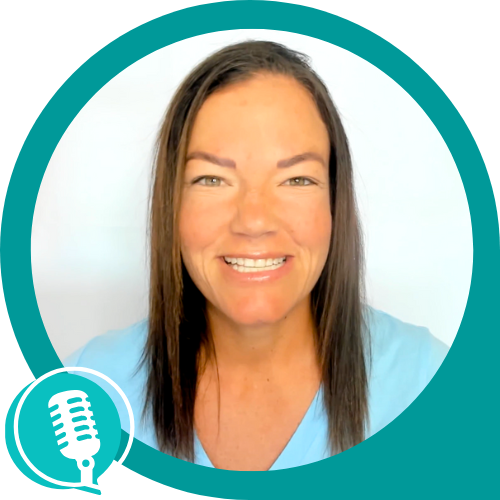
Kristi Kandel
Developer | Mentor | Co-Host of the LRED Podcast
Kristi is a real estate developer with nearly 20 years of experience and over $450M in projects across the U.S. Today, she focuses on helping locals step into development and build in their own communities.
She’s the founder of I&D Consulting, Local Real Estate Developers (LRED), and co-founder of Elevate, a community-driven sports and wellness concept.
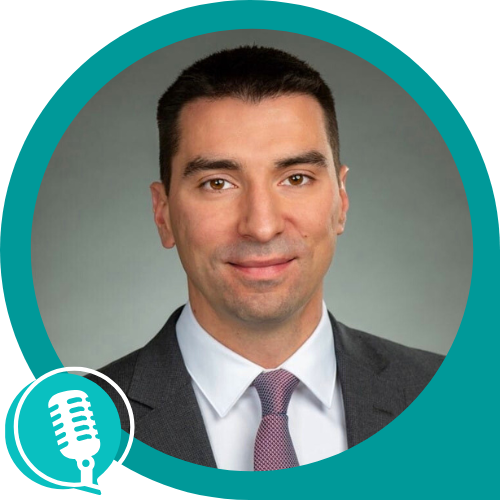
Raphael Collazo
Commercial broker | Author | Co-Host of the LRED Podcast
Raphael specializes in retail and industrial properties, bringing a problem-solving mindset from his background in engineering and software. As a commercial real estate advisor and developer based in Louisville, Kentucky, he works directly with investors, tenants, and cities, bringing a real-world view of how deals come together.
🔗 Related Episodes
How to Become a Local Developer: Katie Neason on Infill and Taking the First Small Bet | EP#29
A great companion episode on local infill, city relationships, and taking practical first steps in development.
How to Start Real Estate Development: Steph Weber Bought the Land First and Built the Plan Later | EP #41
A real look at taking your first development deal from idea to execution without having everything figured out.
Small-Scale Development: How She Left Her Corporate Career and Built a Tiny Home Village | EP #39
Another path from traditional career to building a community-driven development project.
About the Guest
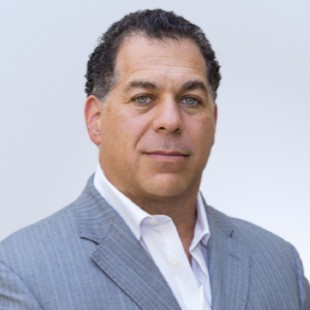
Sal Tarsia is the Managing Partner of CastleGreen Finance and has spent more than 25 years in commercial real estate lending. He specializes in C-PACE financing, helping developers structure stronger capital stacks for adaptive reuse, historic renovation, multifamily, hospitality, and ground-up development projects.
Connect with Sal
🌐 Website https://castlegreenfinance.com/
💼 LinkedIn https://www.linkedin.com/in/sal-tarsia-41a00613/
Full Transcript
https://castlegreenfinance.com/
Raphael Collazo (00:42)
Welcome to Local Real Estate Developer Podcast. I'm your co-host, Raphael Collazo. I am a commercial broker, investor, and real estate developer located here in Louisville, Kentucky. And I'm here with my co-host, Kristi Kandel. Always good to see ya.
Kristi Kandel (00:54)
Hey, yeah, good to see you. I am a developer and I also am an investor and I teach locals how to become developers in their community. And one of the things that we're doing is we are actually hosting a local developer meetup in August. So it's the 27th through the 29th in your hometown. And do you want to maybe give a little breakdown of of what the the people will get?
Raphael Collazo (01:11)
Yeah. Exciting.
Yeah, absolutely. So as Kristi mentioned, we actually have the local real estate developer meeting up hosted here in Louisville, Kentucky from August twenty seventh to the twenty ninth. It incorporates a variety of things. We're gonna have panel discussions with developers, strategic partners, lenders. We also have three phenomenal speakers coming into town. one Katie Neeson out of Texas who has done a bunch of adaptive reuse and unique development projects.
Evan Holliday who's done affordable housing and then C C Payne, who's done a really cool mixed use project in Atlanta and has taken on other projects as well. And then we'll do some site tours of different adaptive reuse projects, plus some exclusive content regarding you know, VIP access for not only just getting in front of the existing speakers, but also Kristi and I will be available to answer any questions you guys have. So it should be a phenomenal event, really unique.
experience and a great opportunity for you guys to network with other developers in our local market and really regionally and and and nationally. We've already had people sign in or tune in from outside of the market. And so we're really excited to host you all this this August. So really excited. again, just gave a brief summary of what the is has in store in August and we're looking forward to seeing you guys here.
Kristi Kandel (02:36)
Yeah, so excited. I've talked to several of the attendees who are coming too and they are pumped to be able to see everyone. So awesome. Well today's guest is a lender who has some ability to help our local developers structure their deals in different ways. So we wanted to bring them on for a different perspective. And Sal, welcome to the show.
Sal Tarsia (02:54)
Well, Kristi Raphael, thank you so much for having me.
Kristi Kandel (02:57)
Yeah. So so one of the things we like to do when we start is to give a little background on our guest and just kind of how you got into what you're doing now and and also where you're at.
Raphael Collazo (02:58)
Absolutely.
Sal Tarsia (03:09)
So, yes, I'm Sal Tarcia, a managing partner of Castle Green Finance. By way of background, I was a commercial mortgage lender for about 25 years. ran the spectrum of anything from construction loans to bridge loans to subordinate debt to just plain vanilla CMBS. so worked a lot of my career at GMAC Commercial Mortgage, which later became Catmark.
And then when the credit crisis hit, what was left of it became Birkadia, which is what it is today. I departed there at the beginning of the credit crisis, got together with a couple of colleagues, we formed a small boutique lender called Bedrock Capital, trying to replicate what we were doing on a smaller scale. so we did subordinate debt, bridge loans, and probably most relevant to the backstory, C B S loans.
We did a lot of our CMBS loans through Credit Suisse and Barclays. It was there that I met my now partner, Chris Callahan, who was running the agency and CMBS trading desk for Credit Swiss at the time. so we developed a relationship fast forward a few years, and Chris went out and ironically bought a Kentucky-based family office that had a HUD license, built out a bridge to HUD.
and HUD platform and I moved into the space that I am now, which is CPACE, which stands for Commercial Property Assessed Clean Energy. really fell in love with the product and was working for a group that's now a competitor, felt like there was opportunity that was being left on the table in this great space and decided to start my own. And I was encouraged to reach back out to Chris and we had a pretty quick meeting of the minds and
Started Castle Green Finance at the beginning of two thousand twenty one together.
Raphael Collazo (04:54)
Great. It's kind of interesting how it all came kind of full circle at the end and now you guys are offering unique products to the marketplace. y you kind of alluded to the types of offerings that you currently focus in, CPACE. could you kind of could you elaborate on what exactly that is and those ty the type of offerings that that are are ultimately available in that s in that product type?
Sal Tarsia (05:16)
absolutely. So so commercial pace or CPACE is a public-private partnership. it is legislated on a state by state basis. So unlike a lot of other public-private partnerships which are done at the federal level, this is actually state by state. there are currently thirty-nine states plus Washington DC that are in the program with active statutes and active programs.
the program was originally designed and started in California for the purpose of encouraging investment to make properties more energy efficient, more sustainable. and you know, there are a lot of places around the country that also allow water conservation. so you know, really, really great product that ranges anywhere from as simple as what people may think when they think of green financing programs.
It could be simple as solar panels on a property. It could be as complex as a ground up construction or a historic tax credit. But one of the sweet spots of our program are adaptive reuse. You know, particularly in the environment since COVID hit, a lot of deals that are office to multifamily conversions. So we see quite a bit of that.
Kristi Kandel (06:28)
Do you s curious if you see any of that with any of the boutique hotels going on? That's another big one where we've had several guests on and that people are considering doing.
Sal Tarsia (06:36)
We
we are seeing some some hotels. you know, it's generally a little bit more of a complex you know, adaptation to multifamily because the units start out so small. but we do see you know, quite a few of those where, you know, they'll just punch through a wall and convert two hotel units into one apartment. you know, sometimes more. But you know the the office is the big one, but we do see the hotels quite a bit and
PACE can be very useful in these situations because all of the elements that are eligible under the PACE program are your typical improvements that you might otherwise be making. A lot of people hear about CPACE government partnership and their minds are ri you know just go right to red tape and complexity. And it's really not. Most of the things that are in a typical budget without any change qualify under pace.
And the the government part of it is really mostly done at the front end for us when we qualify state by state to be a capital provider.
Kristi Kandel (07:39)
Awesome. Can you maybe give us an example and take a a specific project and say, Hey, we we did this type of project, the person came to us, and then how you were able to break down for them what could be available, what the government approval process was, and then kind of like how that goes start to finish.
Sal Tarsia (07:54)
Sure. so we did a adaptive reuse on the West Coast on a hundred year old property. So in addition to being an adaptive reuse of office to multifamily, it was also also had historic tax credits in it. And the pace actually works very well with older buildings. They don't necessarily have to be historic, but the older buildings work really well because
Generally a lot of the aesthetics are being upgraded but not necessarily changed. The building envelope is not necessarily changing, but all of the systems inside are being brought up to date. So you're gonna have all of your qualifying improvements for pace, which are gonna be things like new HVAC systems, new windows. you know, it's not only about the mechanics of what makes buildings more energy efficient, it's about the insulating features of the building that hold all of the
you know the the hot in the hot side hot and the cold side cold as the old adage might go. but you know there are a lot of things including roof repairs, water, you know, low flow toilets and faucets would qualify. So you know you you tally up a lot of those improvements and on an adaptive reuse can easily be fifty percent of the the renovation budget.
Raphael Collazo (09:10)
So so curious about that. So you mentioned this was fun on a hundred year old building. Was this a building that had already been owned or was there a I guess how did the capital stack how does it work within a capital stack? is is is it used to also the acquire the property and then fund portion f fund the renovation or how does that look?
Sal Tarsia (09:29)
So, in that particular property, it happened to be owned,
but there was a mortgage that needed to be paid off. So, PACE is really designed to be a supplement to a capital stack, not to necessarily act on its own. We do have affiliates that we are able to present a full capital stack with, which is quite a great competitive advantage for us. But the PACE in and of itself is only going to be used for.
the construction elements of the project or you know in this case the renovation elements of that project. We will generally pair with the first mortgage lender to either take out an existing mortgage to fund acquisition costs and then we're going to come in at the point where all of the updates of the systems, insulation and you know, in places like California we're even able to participate in sustainability elements
You know, most notably seismic on the west coast.
Raphael Collazo (10:26)
Yeah, that could make sense. So in as an example, what just more curious, 'cause we got a project we're working on right now that's a an older building and we we funded the acquisition and then we had some equity built into the property and also secured additional equity through the signing of leases. So we have an existing line on the building that we we're using to to do the construction of the property.
or to to do the updates to the the the existing structure. I with the with this particular program, is this something that you can just refinance once the work's complete, or is it something that you have to document everything as you go along the process to ensure that you're complying with those those requirements? but yeah, that that's just I guess my question.
Sal Tarsia (11:08)
Yeah, the the compliance is very much the same and we can, you know, well refinance is the appropriate financing term. in PACE it's often referred to as a look back. the vast majority of states in the country we can look back as far as three years. some of them are a little bit more limited. you know, in you know, your state of Kentucky, we do have to follow a little bit more strict rules.
We're not allowed to do a look back and refund equity back to the borrower. If in your example you were using a line to do the improvements, we can after the fact come in and refinance that line out, which could be quite effective. Our product is typically gonna be twenty to thirty years in term, fixed rate. You know, what while a warehouse line can certainly be
very efficient to get things done quickly. It could be very inefficient in a market that has interest rate volatility, you know, and, you know, you may be looking to get into more of a long term financing so that you can focus on the operations of the building once the work is done.
Raphael Collazo (12:13)
Definitely. No, that that's that's a unique thing. So so what I guess if if you were to kind of summarize the pros and cons of of pursuing this type of loans loan, what would you share with the audience regarding those those points?
Sal Tarsia (12:31)
So, you know, I would say the the the the one real con in the program is that you know we can't do the whole capital stack within the PACE construct. So we often do have to work with a first mortgage lender or other types of financing. And because in PACE, by virtue of the public-private partnership, we're granted a
super priority status similar to a real estate tax. we're going to be a special assessment on the property that's going to get the same priority treatment as those taxes. So we need to go to the first mortgage lender if there's any other subordinate debt and we have to get lender consent from them. And you know early on in PACE's life cycle, you know, just like any other new programs, there's typically a fear of the unknown.
And you know, when I got into the business, you know, I understood the idea of, you know, we're gonna be a tax, we get the benefits of being treated in that priority situation, but the trade-off for that is is that we have to act like a tax. We don't have the same rights as a regular lender, we have to follow the tax code, which can often be a two year process of notice cure redemption rights, even if things go wrong. So
We've taken on a lot of education of the lending community, you know, as well as developers and borrowers, to, you know, make sure that they understand that even if something goes wrong, there's no gun to anybody's head. This is a slow moving process from an enforcement standpoint, which really gives everybody in the capital stack the ability to work together to come to a solution rather than anybody feeling like,
you know, they're gonna be damaged very quickly.
Kristi Kandel (14:18)
So to that it sounds like when you're when you're working with the mortgage companies, i is that your team directly working and so you've got s you've got some collaborations and some some nuance there to to how you can educate and sell them on the idea that, yep, this can work.
Sal Tarsia (14:32)
A absolutely.
I I generally start out with with lenders who are not familiar with PACE by simply telling them that once we close, we're recorded as a special assessment and we have to behave in every way, shape, and form like the regular taxes. That really removes the mystery of PACE because all of these lender groups have had to deal with a missed tax payment at some point in their careers. You know, they know how their local processes work.
so we really start there and we really we encourage collaboration because we recognize what we are. You know, we're we're a government-affiliated program that is meant to encourage and reach a certain goal, and we're granted a very safe position in the capital stack for that. So we want to make sure that we're designing everything, not to necessarily make our partners in the deal know everything about pace.
but to make it something that's comfortable for the way that they're ordinarily used to doing business. And we focused on that a lot. Like we'll set our distributions just the same way that any construction lender would.
Kristi Kandel (15:42)
And like for example when you're s we're saying special special assessment and like a tax, this also then would apply to like say I have a single family house in Ohio that the city extended the sewer line, instead of everyone paying for it up front with a chunk of change, they'd put a special assessment to say over ten years you're all gonna pay an extra six hundred dollars a year towards this and then it'll be paid off.
Sal Tarsia (16:04)
You you nail
that that's that's the exact example that I usually use. You know, it's just like a special assessment that would be done by the government, that would be spread among, you know, anybody that gets the benefit from that, except in this case it's one private lender going through this program to give this benefit to one single property.
Kristi Kandel (16:24)
And then so since you are government backed, what does that process look like for you to be qualified and I guess how many how many you's are out there?
Sal Tarsia (16:34)
so I would say you know, people that we consider among our primary competition, there's probably about seven other you know groups that have really achieved scale, if you will. you know, there are a bunch of other smaller groups out there that, you know, act in some capacity as either doing it as part of their regular lending program when it's convenient for them, or some that are really acting as CPACE brokers and
Coordinating with a financial source to to pay for it. But direct competitors, I would say there's there's seven of us in the market. and you know it's it's across the country. Like I said, we're qualified in 39 states. the programs for each state are very different in terms of qualifying. some you simply have to fill out an application and demonstrate that you understand the product, that you have financial.
Raphael Collazo (17:00)
Mm-hmm.
Sal Tarsia (17:24)
backing to fund the product and that you have some experience with it. And then there are others that really do a deeper dive. You have to you know provide audit reports of your company and they dig a little bit deeper into it, which I find a little unusual because the municipalities don't have the financial risk we do. They're just providing us really with a path.
Kristi Kandel (17:43)
Mm-hmm.
Yep, very true.
Raphael Collazo (17:46)
Yeah.
That makes sense. So regarding that process, w we'll we'll guess go back to the the the fact that you have a for lack of a better word, an elevated position when it comes to any issues that may be faced with the property. Have you had issues in the past kind of getting
lenders on board with the idea of them being subordinate in some way to this new loan that's com this new you know, this new loan that's coming in.
Sal Tarsia (18:18)
A absolutely. you know, that is the primary impediment to the to the pace world. and it's and it's understandable. you know, I think early on in pace, there were too many people out there trying to sell pace as a silver bullet. you know, there is there's no financial product out there that works for every situation. You know, the approach that we take is that we really just want to get the
the first mortgage lenders educated on the product, how it works, and demonstrate to them that once we close, we're a fixed rate and a fixed payment stream for the next twenty to thirty years. it never changes. Very often, you know, we get, well, you know, we're not allowed to do anything where somebody's superior to us in the capital stack. And the first question that'll typically come out of my mouth was, you know, well, you know, do you do deals with ground leases?
And nine times out of ten the answer is yeah, of course we do deals with ground leases. Like, okay, so you are, you know, accustomed to doing deals where there is a superior position in front of you. This is just different. And quite honestly, because it is a government related program, we have to act and behave a certain way and follow a certain set of rules that really provide a lot of protections for the first mortgage lender. you know
Anybody's ever been involved in a ground lease deal that had a ground lease default, it can get messy and and be a pressure cooker pretty quickly.
Kristi Kandel (19:43)
Can you can you actually break down and go into more detail on a ground lease just so people can understand why there's more nuance to that?
Sal Tarsia (19:49)
Sure, in in a ground lease situation, there is going to be a different fee owner, and the the the person who's running the property or redeveloping the property is only going to be the owner of the leasehold. So very much like a pace, there will be a ground lease rent payment that has to be made in a super priority position. And if it's not, you generally will have either a private or a government ownership.
That has a whole host of rights that they can enact very quickly that puts the leasehold in danger. it also you haven't seen too many ground leases that don't have some kind of escalator provision. you know, some of them being very specific, some of them being a little bit more gray in how the ground lease could potentially grow. So by contrast, pace is gonna be in the monthly rent.
Kristi Kandel (21:13)
And you're talking in the monthly rents and or the annual
right, right. Yeah, typically we'll see a a fixed term of maybe it's maybe it's five years, maybe it's ten. It's basically to allow the the operator to get stabilized. And then once it goes and it's like, hey, we gotta keep up with inflation expenses and depending on if it's a triple net lease or you know, depending on what those who's paying property taxes, who's paying who's paying all the stuff that fluctuates in pricing to
Sal Tarsia (21:18)
Right. You know
Right,
e exactly. And that that's what I see more often than not is those, you know, five or ten year bullet escalators tied to some kind of CPI, which you know, as we've seen over the last five years, can be far from predictable. so you know, like I was saying, by by contrast, you know, a lender can plug the pace pr payment into their underwriting, knowing that it's never gonna change, knowing that if
there is a missed payment that we submit to the government that there's been a payment default and it follows all of the same rules as the tax lien process, which is going to give the developer and the you know andor the the lender a lot of time to execute an orderly workout.
Raphael Collazo (22:25)
That sense. So in in the situation where you come up against that roadblock and the lender's unwilling to subordinate, I would assume you have lenders that you deal with that you can maybe have them come in, pay off the existing holder of that I mean the the the existing lender and then have them subordinate to this particular product. Is that correct or?
Sal Tarsia (22:51)
That that's correct. We have both internal sources of of capital. We're particularly effective in rural lending. I think you you met with one of my partners who runs that program. so the those programs work very well together. we also have an internal bridge program, but on deals that don't necessarily fit into one of our existing internal programs.
we do have lenders who we've worked with in the past on a third party basis who are familiar with pace and you know, it's one of our big initiatives. We're always out there trying to educate and find other first mortgage lenders who are comfortable with the product and, you know, that we can make comfortable that it can you know, very easily work to their benefit in terms of both, you know, growing their book and satisfying their clients.
Kristi Kandel (23:38)
Awesome. So
Over everything that you said about your past and and the the different companies and getting to where you're at, one of the questions we like to ask anyone who comes on is about partnerships. clearly you've got different partnerships and collaborations with your current company, but also internally. and a lot of people when they get into to development, I mean that's a team sport and you're going to have lots of partnerships. What are maybe some of the key things that you look for when evaluating and vetting partners, both to do business together with, but then also
to then go out and and partner with on actual projects.
Sal Tarsia (24:10)
Yeah, so from a development standpoint, our primary focus is on making sure that the building gets put back online. you know, from where we are on the pay stack, that is easily the most important thing. We don't want a project that doesn't get finished. So we will focus very heavily not only on the developer's experience in the space, but also be very critical of the GC that they're working with.
You know, and you know, we want people with a proven track record who will, you know, stand behind what they're doing and you know, make sure that the project gets finished.
Kristi Kandel (24:44)
And then what about internally for partners that you decide to to work with like even at your current company?
Sal Tarsia (24:50)
Yeah, again, execution is really the, you know, first and foremost. You know, obviously we have to be able to construct a capital stack that that works for the client. but once we do that and we move forward, you know, we're we're looking for collaboration, we're looking for transparency, you know, we want to make sure that people are goal aligned on you know what's being done and how the fundings are working.
what happens after closing for us we consider at least as as important as what happens prior to closing.
Raphael Collazo (25:20)
So, you know, we we kinda touched on, you know, the the framework of the program and and some of the use cases. What what are some of the benef wh why would we why would anyone decide to go down the route of of securing this type of product versus just going to a conventional lender or some other funding source to do the same?
Sal Tarsia (25:40)
So most typically PACE is going to be used to replace much more expensive mezzanine or subordinate debt or otherwise close the equity gap. You know, this is what I like to call the new and improved capital stack. you know, traditionally you'd probably see a first mortgage, you either see a big chunk of equity or some level of subordinate debt plus equity. This really flips the capital stack upside down in that you now have PACE plus a first mortgage.
Plus some hopefully smaller amount of equity. So you're either benefiting from an overall lower cost of capital, or you're benefiting from having to provide less equity, bring in less partners, give away less of your deal in an ideal situation.
To make the buildings more more energy efficient, streamline the operations going forward. you know, when we come into a project with an older building, the amount of energy that's saved off of simple things like you know replacing the HVAC system, replacing old lighting with LED, upgrading wiring, putting new windows in that are you know far more efficient.
all of that really adds into you know the ongoing operations of the property. And also in the cases where we were able to do sustainability, it's gonna cut down on maintenance of the property later on in addition to all the energy savings. you know, to really kind of drum home the point of like the benefits on this, I like to go to an old story before CPACE even existed. I did a forward rate lock.
on a deal in in Newark, New Jersey. It was a large office building. And the owner had to assume the existing debt but wanted to take advantage of some of the lower rates and didn't want to lose them. So we did a nine-month forward rate lock on that deal. So we locked their rate with the anticipation that nine months later we would officially close with them. You know, standard in those type of deals.
you you know you relook at the underwriting nine months later when you're about to close to make sure there's no material adverse change to the the economics and my underwriter walks into my office and he says yeah we're you know we're all good here he said in fact there's you know about a million dollars in extra NOI and I looked at him I said no I said go back and redo that there's no way that they
you know, improved NOI by, you know, a million dollars in a nine month period. And he came back, he said, I checked it, he said, and then I checked it again, and it's still a million dollars. And he said eight hundred and fifty thousand of it is utility savings.
So I picked up the phone, I called the borrower and he said, you know, are are we good? Are there any problems? I said, No, I said, but your you know, your NOI went up by a million dollars. And I said, It's almost all energy savings. They said, You gotta tell me how you did that. And he said, Why, you're gonna give me a better deal? And I said, No, the deal is baked, but I just gotta know like what you did. And he looks at me and he says, Well, he says, I went into every single office in this fifty plus story building.
And I spent a million dollars and I put in these little devices, which we're now all accustomed to, which have motion sensors on the light switches. He said so, you know, people don't leave the lights on all weekend anymore. They don't leave the lights on overnight. And so, you know, at the time, you know, it wasn't unusual for a building like that to sell at a five cap rate. So eight hundred and fifty thousand and
savings created seventeen million dollars of value for a million dollar investment. Now all of that in today's world would be pace eligible. So you would be able to stretch that one million dollars now over a twenty year period on a fixed rate. So you can imagine creating 17 million dollars of value for something that you don't have to pay back for twenty years.
Kristi Kandel (29:49)
That's a great story.
Raphael Collazo (29:50)
Yeah.
Kristi Kandel (29:53)
Question now. So that was those were conversions, adaptive reuse. What about a new construction? And I will just selfishly say a project that I'm doing in Florida, but also someone else is doing in Ohio, and maybe there's a Florida and Ohio nuance, but basically we're building larger 15 to 30 acre sports and wellness destinations. So it has several buildings, so a large wellness building, it has a indoor sports building, it has indoor dog park, indoor sports.
our indoor immersive buildings. So several buildings throughout, also some outdoor stuff, so then lighting and things throughout. What how could this potentially work? because where you said it can help fill the gap in in the debt and the the equity and help fill in that capital stack. How could this potentially work?
Sal Tarsia (30:34)
So you know, in the two states that you mentioned, a good rule of thumb is that in a typical budget for new construction, somewhere between twenty-five and thirty-five percent of the hard and soft cost budget, not including land, is going to be eligible for pace. So most states you have to demonstrate that there is some level of energy efficiency above standard code. you want to make sure that we're
achieving the end goal, which is to make buildings more efficient and not just build the code and use this as a typical financing mechanism. but you know by contrast places like California the code requirements is so high that anything that they use already require is already eligible. But you know think your your HVAC, your lighting, your wiring, all of your insulation, which includes what's in the walls as well as the
Kristi Kandel (31:14)
Yeah. Exactly.
Sal Tarsia (31:27)
Roof membranes, the all of the windows. you know, in Ohio you can do water conservation. and in some place like Florida, much like California deals with seismic, Florida deals with wind mitigation and you're allowed to fund for those things as well. So we're going
Kristi Kandel (31:40)
Yep.
What about so
like the indoor sports and the immersive building, they're going to leverage the LED technology to where entire floors and then walls and ceilings. So like there could be some areas that are in theory heavily in power usage and demand. is that where solar could then also come into play as well as the wind mitigation or
Sal Tarsia (32:03)
Absolutely.
We we've seen on on properties like that that our high energy users, you know, data centers are another, you know, big example. I know you know, depending on who you talk to, they're not the most popular thing. but they do use an enormous amount of power, which makes them ideal for our program to be able to add things like solar panels, improved cooling systems.
you know, all of those type of things are going to be ripe for pace to be able to finance the bait make those buildings better.
Kristi Kandel (32:34)
Now it's kind of making me think of Japan where the walking trails literally the people walking on it and the energy transfer helps generate power and things. Hmm.
Sal Tarsia (32:43)
Absolutely.
Raphael Collazo (32:45)
So with with those with those unique terms, because I think typically what you'll find in the marketplace today is if you go to a conventional lender, you may get a five to ten year term fixed. twenty year amortization. Sometimes you can stretch it into twenty five years and then rates are right now. I mean then obviously this is you know, June of twenty f six, so you know, don't hold me to this, obviously if you're listening to this in the future, but they they fluctuate anywhere between, you know, six and a half to eight percent interest at the at this
moment in time. So I'm kinda curious I mean I you know obviously y I don't hold you to any you know any of these terms, but I'm just curious as to what how how the the the current s pace mark the market for pace is currently when it comes to loan terms.
Sal Tarsia (33:31)
Yeah, so long term term is typically gonna be twenty to thirty years. we are limited by statute in certain places, including being limited to the average useful life of the improvements. that's often collectively. We can typically get that to twenty five or thirty years on a new construction, on a renovation project, it's really gonna depend on what work is being done there.
you know, rates are gonna be generally anywhere from 10-year treasury plus you know 300 to 375, depending on the type of project, where it is, what's being done, and the leverage points. you know, we typically offer the clients best of both worlds. they have a fixed rate long-term payment stream.
We do not have any callability whatsoever. So we cannot force the borrower to pay off. If we're getting into a twenty or thirty year deal, we are in it for twenty to thirty years. Even if there's a default, it goes through the tax lien process and a new owner would come in and they would simply buy the outstanding principal balance of the payments that are defaulted, not the entire pace. And they would just assume the pace going forward.
so you know in in that respect it you know it provides a couple of things. It provides the flexibility. The borrower can, with some reasonable prepayment provisions, can pay off the the pace early if the market is beneficial to for them to do so. Or, you know, in the case of you know a situation where future rates go up,
Then they have a nice locked-in deal that nobody can take away from them. You know, and that's really a lot of flexibility for the owners. You know, two really important points. much like other financing, there's no do-on-sale clause with PACE. We run with the property, similar to Kristi's example of the special assessments. It doesn't run with the owner, it runs with the properties. So it's freely assumable.
we also don't have to be paid off when the other debt is paid off. So we can sit there and a new debt instrument can come in if the pace is still beneficial to stay in the stack. We can stay in with a a new first mortgage lender.
Kristi Kandel (35:49)
And are there any prepayment if you were to come in early and just say, Hey, we wanna get rid of all of this and pay it off?
Sal Tarsia (35:56)
There there are. So you know, typically the the prepayment is going to be more stringent the first two or three years. you know, that's typically the construction or renovation and stabilization period. So you know, most developers or borrowers of pace really don't care about that three years and then we'll trail it off very sharply. prepayment premium might be three percent for years four and five and then go down to two percent and then to one percent pretty quickly.
Raphael Collazo (36:23)
sense. Yeah, I mean it it seems like it's an interesting product in particular if you can if if if we stay in an elevated rate environment, you can lock in your rate for a period of time and it becomes potentially even a a selling point if you were to eventually sell the property and say, Look, you know, you we're obviously gonna sell this property, but you can assume this quote unquote
attractive financing that's already well, it's it's mainly just the s the the piece to to maintain CPACE, but then you have to also go get your your own funding to to acquire the property. But I guess y you would maybe have to do less of that. You would have less to be able to secure his debt and maybe that makes your returns look more attractive. and ultimately that's what the name of the game is. So if you're selling at the end of the the life cycle that could be a benefit too. So
Sal Tarsia (37:14)
That that's absolutely correct. Deals that we did in two thousand twenty one and twenty two, you know, up very easily between five and five and a half percent fixed rate. And in the case of a sale that can absolutely be used as a selling point or an asset in the deal.
Kristi Kandel (37:31)
Awesome. For for developers, what advice would you give them when they're coming to you guys to say like how could they prepare their package or or what do they need to give you to make that process go as smoothly as possible?
Sal Tarsia (37:44)
Yeah, that that's a great question. you know, and this has evolved very positively over time. I would advise anybody come to us first as PACE providers. you know, early in the life cycle and this is what stunted the growth of the program a bit, because the borrowers and brokers were going to first mortgage lenders first, and then they would say, Well, you know, hey, I wanted to use pace. Yeah, you know, again using the ground lease
scenario you can imagine going to a first mortgage lender and then saying, wait a second, I've got to tell you there's a ground lease on the property. you know, it's gonna be met with a pretty visceral reaction. you know, lenders don't like that. They did a whole lot of work and didn't have all of the elements that they needed to consider for their credit process. So typically we can turn around an initial proposal in 48 hours with as little as a property address
couple of simple paragraphs on the the business plan and the ownership and and a budget. The you know the detail on the budget on what's actually being done so that we can size eligibility is is the most important. But we we don't require a very big package to give them a very close idea of what can be done so that they can now build the pace into their capital stack when they approach first mortgage lenders. And we'll often help them in that process as well.
Raphael Collazo (39:00)
Yeah.
And it could be a good opportunity for them to you know, if they decide, hey, you know, this is the route I want to take and maybe you you work with them and you kinda get a better understanding of what they're looking to do and maybe pace for whatever reason isn't the right option. you know, I know you guys all obviously work or have in house different products that you know, you could potentially have them have ha maybe be a better fit. So maybe just just being someone that you can tap into for just advice and resources it would be helpful as well. So
Sal Tarsia (39:31)
absolutely. You know, aga again back to the point you know, pace is not a silver bullet, it's not one size fits all. we don't want to waste anybody's time, so we'll give them the benefit of what we can do and where, you know, even where it might not fit. and then once we really get into the process, we have an engineer that will produce an energy audit for us, which is necessary in most jurisdictions. and those engineers will will work with the the borrower's development team.
And very often say, you know, hey, it's not going to cost you very much extra to upgrade to this product and this is what it's going to save you over time. So, you know, very very often we're we're helping the developer team actually improve their building, not just from a financial standpoint, but from an ongoing operation standpoint.
Kristi Kandel (40:18)
Yeah, we did a lot of that in the California market to where at least made you aware of what you could do and then depending on how you could source it. Awesome. Well, is there anything that we didn't ask that we should have asked?
Sal Tarsia (40:30)
Y you know, you were you were actually very thorough. You you you touched on a lot of the points. I mean I think if there's, you know, really one thing that's left. you know, we you know, we we're also very active on the government side. So we're always looking to improve the existing programs where we can. you know, like I said, we're you know, we're eighty percent of the country now, but you know, we are working on those eleven other states.
so you know I would always encourage people that, you know, just because you might not be in a qualifying area right now, error on the side of asking us. You know, we could be very far into a legislative process, either on a new state, on an amendment, or you know, on you know, bringing in some local municipality to an existing state.
Kristi Kandel (41:18)
Awesome. Well, this has been super helpful. How can people follow along or learn more about the the PACE program and and what you guys offer and yourself and your company?
Sal Tarsia (41:29)
So I would encourage
people to go to our website, www.castlegreen finance, all one word dot com. our website is designed to be as much about education of pace as it is marketing oriented. And then there's also the contact information for myself as well as a lot of my team. They can call, you know, we're we know that education is a big part of our process.
So we always have people on standpoint standby to try to help hold hands and guide people through the process.
Raphael Collazo (42:01)
Absolutely. No. I mean we we really appreciate your time, Sal. And I I I I definitely gained value from the conversation and I'm looking forward to hearing the feedback that we receive from the audience. And we'll make sure to include all that information that you just shared in the show notes as well so people can reach out to you directly and learn more about the offerings you guys have and hopefully be able to collaborate on some projects in the future. So
Sal Tarsia (42:23)
Absolutely. That'd be great.
Raphael Collazo (42:25)
Definitely. Well, thank you so much, Sal. Really appreciate your time. For those of you guys who are watching on YouTube, please like and subscribe. It makes a huge impact in our ability to reach a broader audience, and we greatly appreciate the support. Along with that, if you guys like this channel or you've listened to this podcast for a period of time, please leave a five-star review. The more five-star reviews we receive, the broader the reach we achieve, and ultimately more and more people can get inspired to take on their first real estate development project. So thanks again so much for tuning in, and we'll see y'all next time.
Sal Tarsia (42:53)
Thank you.
Get the tools behind the episode
Access the Developer Vault with templates and real resources

©2025 I&D Consulting. All Rights Reserved.
©2025 Local Real Estate Developers. All Rights Reserved.