From Condemned Motel to Community Housing: How Ben Sears Is Leading Adaptive Reuse with Purpose | EP #6
Real estate development, adaptive reuse, and transforming vacant properties into community-driven housing solutions
What happens when a nonprofit stops waiting and starts building?
Ben shares what it really takes to turn abandoned spaces into something that actually works.
Ben Sears didn’t start as a developer. He started by serving people experiencing homelessness.
But after seeing the same cycle over and over, he realized something had to change. Housing wasn’t working. So instead of waiting for the system to fix it, they stepped in and built it themselves.
This episode is for anyone who’s looked at an empty building and thought, there has to be a better use for this.



Get the tools behind the episode
Access the Developer Vault with templates and real resources
Episode Summary
Ben’s path into development wasn’t traditional. He spent over a decade working directly with people experiencing homelessness, building relationships and providing support through outreach and service work.
But there was a problem he kept seeing.
People would get placed into housing, and then months later, they would be right back where they started. The system wasn’t sticking. The housing wasn’t designed for the people it was meant to serve.
That realization changed everything.
Star House made the decision to step into development, not just as a service provider, but as a partner in creating the actual housing solution. Their first project was an adaptive reuse of a former motel, converting it into a 62-unit housing community with on-site services. It worked. High occupancy, strong outcomes, and real transitions into stability.
But it also exposed a limitation.
As a minority partner, they had limited control and no participation in the long-term revenue. That meant if they wanted to scale, they needed to become the developer.
That shift led to their next project. A 70-year-old Catholic church and school building being transformed into a community-based drop-in center, service hub, and future housing site.
The process was anything but simple.
Ben walks through the full entitlement journey. Variances, zoning approvals, community meetings, and the long waiting periods that come with it. But what made the difference wasn’t technical knowledge. It was relationships.
He met with neighbors early. He built trust with city staff. He showed up consistently and communicated clearly. By the time they reached final approval, the project passed without opposition. No fight. No resistance. Just alignment.
That didn’t happen by accident.
It came from months of groundwork that most people never see.
He also shares what it takes to move a project from idea to execution. Building a real advisory team. Experts in construction, finance, design, and operations. Not trying to do it alone. And understanding that development is not a solo game.
One of the most powerful moments in this episode is when Ben talks about bringing former program participants into the design process. People who have lived the experience are now helping shape the solution.
That is what community-driven development actually looks like.
This episode is a reminder that you don’t need to have all the answers to start. But you do need to be willing to step into the complexity, build relationships, and stay committed long enough to see it through.
What You'll Learn
- How to move from service provider to real estate developer
- What it takes to execute an adaptive reuse project
- How to navigate zoning, variances, and public approvals
- Why community relationships matter more than technical expertise
- How to build a strong advisory team around your project
- How to turn vacant buildings into long-term community assets
Bold Truth
If the system isn’t working, you don’t wait, you build something better.
Timestamps
0:00 — Intro
https://youtu.be/RZkFBaXw0kg?t=0
0:49 — Ben’s background and Star House mission
https://youtu.be/RZkFBaXw0kg?t=49
3:05 — Why they moved into housing
https://youtu.be/RZkFBaXw0kg?t=185
4:45 — Ben’s path into development
https://youtu.be/RZkFBaXw0kg?t=285
6:06 — First housing partnership and lessons
https://youtu.be/RZkFBaXw0kg?t=366
7:44 — Why nonprofits need to become developers
https://youtu.be/RZkFBaXw0kg?t=464
9:43 — Adaptive reuse motel project overview
https://youtu.be/RZkFBaXw0kg?t=583
10:05 — How the church project came together
https://youtu.be/RZkFBaXw0kg?t=605
12:06 — Navigating zoning and approvals
https://youtu.be/RZkFBaXw0kg?t=726
13:19 — Community meetings and early buy-in
https://youtu.be/RZkFBaXw0kg?t=799
14:33 — What actually happens at public hearings
https://youtu.be/RZkFBaXw0kg?t=873
17:01 — Delays, timelines, and process realities
https://youtu.be/RZkFBaXw0kg?t=1021
18:03 — Final approval moment
https://youtu.be/RZkFBaXw0kg?t=1083
20:36 — Construction partner selection
https://youtu.be/RZkFBaXw0kg?t=1236
24:21 — Pre-construction and GMP process
https://youtu.be/RZkFBaXw0kg?t=1461
24:59 — Final project vision and phases
https://youtu.be/RZkFBaXw0kg?t=1499
28:06 — What makes a strong expansion market
https://youtu.be/RZkFBaXw0kg?t=1686
30:21 — Advice for adaptive reuse developers
https://youtu.be/RZkFBaXw0kg?t=1821
32:10 — Why community buy-in matters
https://youtu.be/RZkFBaXw0kg?t=1930
34:15 — Community-driven development explained
https://youtu.be/RZkFBaXw0kg?t=2055
36:00 — Long-term vision for Star House
https://youtu.be/RZkFBaXw0kg?t=2160
Meet the Voices Behind the Mic
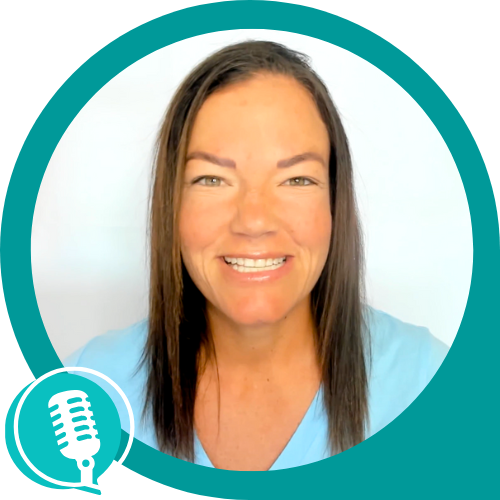
Kristi Kandel
Developer | Mentor | Co-Host of the LRED Podcast
Kristi is a real estate developer with nearly 20 years of experience and over $450M in projects across the U.S. Today, she focuses on helping locals step into development and build in their own communities.
She’s the founder of I&D Consulting, Local Real Estate Developers (LRED), and co-founder of Elevate, a community-driven sports and wellness concept.
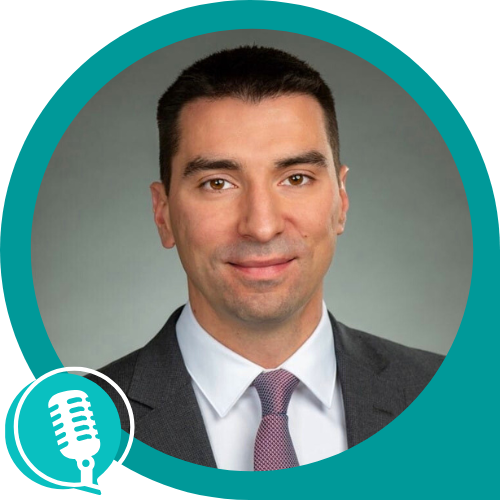
Raphael Collazo
Commercial broker | Author | Co-Host of the LRED Podcast
Raphael specializes in retail and industrial properties, bringing a problem-solving mindset from his background in engineering and software. As a commercial real estate advisor and developer based in Louisville, Kentucky, he works directly with investors, tenants, and cities, bringing a real-world view of how deals come together.
🔗 Related Episodes
How to Become a Local Developer: Katie Neason on Infill and Taking the First Small Bet | EP#29
A great companion episode on local infill, city relationships, and taking practical first steps in development.
How to Start Real Estate Development: Steph Weber Bought the Land First and Built the Plan Later | EP #41
A real look at taking your first development deal from idea to execution without having everything figured out.
Small-Scale Development: How She Left Her Corporate Career and Built a Tiny Home Village | EP #39
Another path from traditional career to building a community-driven development project.
About the Guest
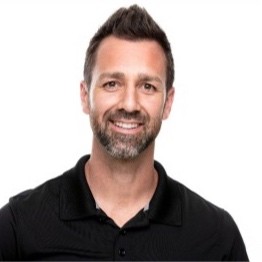
Ben Sears is the VP of Expansion at Star House in Columbus, Ohio. He leads efforts to expand housing and support services for young people experiencing homelessness through adaptive reuse and community partnerships. His work focuses on scaling models that combine housing, services, and long-term impact.
Connect with Ben
🌐 Website: https://www.starhouse.us
📸 Instagram: https://www.instagram.com/starhousecolumbus
💼 LinkedIn: https://www.linkedin.com/in/ben-sears
Full Transcript
Raphael Collazo (00:00)
Welcome everyone to this week's edition of the local real estate developer podcast. Excited to be with you all today. My name is Raphael Collazo and I am a broker and investor here in Louisville, Kentucky. I'm also joined by a phenomenal panel of people. Obviously my co-host, Kristi, who's going to briefly introduce herself and then we'll also introduce our guest for the day, which is Ben Sears. Kristi, would you like to start us off?
Local Real Estate Developers (00:24)
Yes.
I'm a real estate developer investor and I teach locals how to become the developer in their own backyard. And today I couldn't be more excited to introduce our guest. He is full of energy and passion and doing things that are changing our communities and having such a positive impact. So today our guest is Ben Sears. And Ben, why don't you give a little bit of background about you and then we'll kind of dive in and go from there.
Ben Sears - Star House (00:49)
Yes, hello everybody. And first of all, thank you so much for having me on the show. I'm excited to share about our work. So my name is Ben Sears and I work for a nonprofit here in Columbus, Ohio.
called StarHouse and I'm our vice president of expansion. So StarHouse is briefly, I'll go into what our organization does. So we exist to partner with teens and young adults as they exit homelessness and thrive in a community of hope. And what that looks like here in central Ohio is we're the only place that a young person age 14 to 24 experiencing homelessness can get immediate access to safety and resources in our 24 seven drop-in center. So the moment they enter the building, any need that they might have, we can meet on site.
Everything from basic needs like food, clothing, laundry, showers, access to any kind of material resources, all the way across the spectrum from, you know, we have counseling, case management and therapy. And then we partner with over 90 different social service providers that come on site to provide, you know, physical health care, mental health, behavioral health, but employment, workforce development, education, all the things a young person might need to succeed. Additionally, we moved into the housing space in 2020 and
We co-developed and partnered on a 62 unit project-based voucher housing community for our 18 to 25 year olds as they're kind of transitioning into that space. And then we do a lot of things around workforce development. And it's really exciting. I'm not gonna go too much. We'll answer some questions, but our leadership team and board, you know, a couple of years ago set out on this big vision for expansion to how we can replicate the work we do here in central Ohio, not only here in Ohio, but actually across the country.
And it's so funny, Raphael, you mentioned Louisville, Kentucky. That is one community that we've really engaged here recently. And we had a group of 18 or more leaders in that space come and tour just a couple of months ago. So we are looking to take the work we do and serve young people across the country.
Raphael Collazo (02:34)
That's phenomenal work. I'm sure there's a great need. I know that there's a great need here in Louisville. And obviously, you're doing a great job in Columbus. And it's only a couple hours away too. So from a geographic standpoint, it makes strategic sense. So what made you guys decide? Because obviously, you offer phenomenal services for a wide range of different people within those age ranges. But what made you decide to get into housing? Because that's a completely different set of, you know,
criteria and things to have to consider as well.
Ben Sears - Star House (03:05)
Yeah, I mean, I think it was honestly a natural growth. So our team was working with young people that were experiencing homelessness and needed housing. And we partnered with and still partner with a lot of community organizations that do housing well. But often a young person, as you transition to new program, it would be six months or often less, we'd be seeing them back in our drop-in center because that housing just wasn't working and it wasn't sticking. So it just worked out and made sense that we would become a partner in that space and an opportunity, like many things came our way.
in 2020 or probably a couple years before as the development was beginning. And it just made sense. And now that's become like a core pillar of what we're trying to do around housing.
Raphael Collazo (03:41)
That's awesome.
Local Real Estate Developers (03:42)
And what brought you into Star House? Because I know I started speaking with them and I met them through the Affordable Housing Alliance that Carly does and you had joined later. So what was it that brought you into this group and into leading the development of their program?
Ben Sears - Star House (03:50)
Thank
Yeah, so I've been on the homelessness space for almost 11 years now, started doing outreach and other work in the community and Star House was always a really close partner of mine. And plus, you you see a young person living in a tent, you know, in Ohio winters in the middle of the snow and everything like that. And Star House was always like, I really love the organization because they were an immediate resource to help somebody. And then over the last decade or so, I've just been really close with the organization. And our current CEO, Anne Bischoff has been a mentor and supporter of mine. So
this opportunity came available and I saw the posting and I was in a great job too. Like wasn't looking for a new opportunity but I read it and I'm like, I messaged her right away and said, hey look, this sounds perfect for me, can we talk? And it was honestly probably less than a month later and I was starting here at StarHouse. So I think it was meant to be called here to this organization.
Raphael Collazo (04:44)
Yeah.
Local Real Estate Developers (04:45)
had you done
development before? What kind of, because I know your family has some history in real estate, but maybe some background on that role.
Ben Sears - Star House (04:48)
Yeah.
Now,
I definitely had a lot to learn, so your course was very helpful. I think I had been in support of roles around development and housing for several years, one of my two jobs ago. So when I really first came into space, we did outreach in the community as well for a hospital health system. And in 2021, I kind of got shifted into a housing-focused role and how the health system could impact housing. And again,
It's relationship building and networking and an opportunity cave in my way. And we partnered with a local landlord that had a 72 unit apartment complex and he had project-based vouchers with their housing authority placed on each unit and he needed a service provider partner. So at that time it was like perfect. stepped in and we were taking as a hospital system, individuals we were serving for medical needs and unsheltered homelessness in the community and moving them directly into housing and then providing the supports around that.
So that was really my first entryway in like, one, building that relationship, you know, and the legal partnership and entity on there and all like the tenant selection stuff and then providing those supports and housing. And that the gentleman, the landlord there, I learned a lot from as well and still stay connected from him. He's just a dude that started buying stuff and found his way towards the housing space. Yeah.
Raphael Collazo (06:06)
That's awesome. regarding that, mean, one of the interesting things, obviously, this podcast is centered around development that changes community for the better. And so we thought it was an awesome opportunity. Obviously, Kristi has known you through various different interactions. so going back to the beginning when you guys decided, you obviously saw a gaping need in the community saying that we were offering all these services we our focused
client, not clientele for lack of a better word, but people that are coming into the organization that are seeking services. And because of that housing problem, it just, you kept on seeing similar type of situations where they'd have to come back around and seek out the services. And so at that point you made the decision to, or the organization made the decision to take on a project of developing a property that, or, or I don't know if it was a full ground up development, or if it was more of a, you know, adaptive reuse type of project to be able to
Ben Sears - Star House (06:34)
.
the fact that I'm a pastor at the school. I'm a pastor at the school.
Yeah.
Raphael Collazo (06:58)
deliver units to the community. So can you talk about the progression of that particular first project where it says you identified the property or you identified the site
and then to the progression, what the challenges were of getting that thing up and running, and then ultimately the completion and how you're running it today.
Ben Sears - Star House (07:12)
Thank
Yeah, definitely. This can be a long response, but so interrupt with any questions or clarifications. And I was not working for the organization at the time, but I was really close with the process. So I'm going to kind of speak to my experience. And I'm going to kind of take like an overall context first before I answer. So traditionally nonprofits, which I work for, really serve a supportive role in these housing communities. And it's not honestly always equitable. There's somebody who's making money on these properties and oftentimes it's not the nonprofit. And we fundraise like crazy to help support the services on site.
Raphael Collazo (07:19)
Mm-hmm. Mm-hmm.
Ben Sears - Star House (07:44)
So we knew in, I would just go back to 2018, and I actually did some consulting with Star House at the time. We knew we wanted to launch into this housing space and didn't really know what that looked like. So we were pursuing tiny home communities. We were pursuing apartments and partnerships in every way we can. And at that point, there was a former hotel on the west side of Columbus that was a nuisance property and the city of Columbus had shut that down. And then partnering with our housing authority and then finance fund, which is a local CDFI, Star House.
launched into this development project and we're a minority partner on this project. We have 25 % ownership and then the two other partners split the rest. We have no revenue off of rent on this project so we raise for services on support on site for you know case management therapy on site access to employment and any other supports our residents might need and it has been really successful. You know we've had over 95 % capacity over the last over years.
really had minimal issues. Most young people transition from here to a better housing placement, whether they're family size changes or they're just ready for something more. So I'll say this is an example that is really successful, but we learned a lot. And I don't think we could grow and expand in this model of being a minority partner. So my role was formed and I kind of came on to say, okay, how can we as an organization, as a nonprofit, which is not common, look at becoming a developer? And this is gonna be a process, but we want...
to have similar relationships with the housing authority and partners, but we want to make sure we're a majority owner and kind of grow to do more of this work as we expand. So project specific for that one was a adaptive reuse former hotel 62 unit project based voucher community. We're currently underway and about to close on a former Catholic church and school, which will be our second location drop-in center here in Columbus. I'd love to talk more about kind of how that progress has gone.
and where we're at with that project, if you'd like to hear more about that one.
Raphael Collazo (09:43)
Sure. Yeah, mean, yeah, especially if you've been, I guess, closely tied to that project and that development, it'd be great to hear insights pertaining to that project.
Local Real Estate Developers (09:53)
Yeah, I think if you could tell kind of how it came to be, because that's an interesting story in its own, and then you're leading the entitlement charge and working with the jurisdiction and the nuances of that and consultants and all of that.
Ben Sears - Star House (10:05)
I'm going to start with Kristi's one of our favorite things to say too. It's like local leaders and local relationships matter and for Star House, know, that is honestly what has brought all these opportunities our way is we do really good work in the community, but our team has really good relationships. So here in central Ohio, our Catholic diocese was closing a couple churches or several and there was a member of this church on the south side, St. Lattice Church that was honestly one of our co-founders.
way back in 2006, and reached out to her, the Catholic leadership, said, hey, we want this church to be a Star House model. And then the pastor of that church, the father of that church, reached out to Star House leadership. And basically, they came to us and said, hey, we have this beautiful 26,000 square foot church on the south side of Columbus that we would love to see Star House expand into. So they started these conversations, and they're giving us a great deal on acquisition. They've connected with us with a lot of initial support.
and we went through this whole process identifying how this space could work for what we do. I'm working initially with, you know, some construction partners and architects and something that's really unique also in the nonprofit space. A lot of this comes in kind and they want to, you know, support our mission by providing this in kind upfront. but really this building is perfect for what we're going to do. It's going to more than double our operational space for serving young people here in central Ohio. It's going to help us expand to a different part of town. We know the need is great.
So we've gone through this whole journey for one raising funds. We're likely for this type of project for our drop-in centers, we're not going to take debt for our housing. We'll likely finance where it makes sense, but still raise money through fundraising as much as we can. So where we're at now, we evaluated the building. We had probably like a 10 month purchase contract as we went through all the evaluation, know, environmental.
architectural review and feasibility studies and kind of partnering, going through zoning, which my goodness, that whole process was eye opening. But we did really well. And again, relationships matter to the whole thing, even though the process took time and it costs money. Like the area commission was on board. We made it unanimously through the area commission. They were like very supportive.
Local Real Estate Developers (12:06)
maybe break that down a little bit more, because I know there are a lot more nuances that it involved having relationships with these people and talking to them and hearing their, whether they would support the project, whether they wouldn't, and maybe a little bit of the behind the scenes of how does that dynamic work? because a lot of times people will go, whoa, I have to present to these commissions. They're scary people. They're not like, they're just, they're intimidating and maybe kind of humanize them a little bit.
Ben Sears - Star House (12:30)
Yeah, sure. So for one, this, the one woman who was the zoning chair on the area commission, I had connected with probably four or five years ago because I was doing outreach with individuals living outside in her side of town. So I was like her go-to person when somebody was living outside or in the South side area, she'd call me and say, Hey, Ben, can you go connect with this person? So we already had like this little relationship.
And she was the zoning chair. So when she found out I was working for Star House, we grabbed coffee and I shared more about the mission when she was somewhat familiar and shared about our plans and like that helped launch this relationship. So then I was going into, it was three phases, right? The first one I met in this little church basement with like 10 neighbors and one of the women that were on the committee had flyers that our outreach coordinator was given out of the library the week before. And like, she basically led my whole introduction.
Raphael Collazo (13:10)
Hmm. ⁓
Ben Sears - Star House (13:19)
I shared what we were going to do and they unanimously passed it, right? The second phase was the zoning committee came out and did a site walk with us. Yeah, jump in.
Local Real Estate Developers (13:26)
And as you're going
through, what's the end goal of what are you trying to get? this a rezone? Is this a special use permit?
Ben Sears - Star House (13:32)
Yeah, there's a variance.
this was a variance of the zoning just to get the use from the church over to the drop-in center. So thankfully we didn't need to change zoning. It was a zoned assembly. Again, I'm not an expert in that. We've got lawyers. Yeah, so just a use variance. so we moved through that process really quickly. And the final one, you go and present in front of the whole group of the area.
one of the commissioners on the South side. like my project, didn't even say, I think at that meeting I didn't say anything. And part of it was there's this out of state developer that's trying to do this crazy big 12 story project in a residential like neighborhood. And everybody has been like losing their mind over this guy and he's really abrasive and he was there to present as well. So he sucked all the energy away from me and I just rolled in there and they passed it. ⁓
Local Real Estate Developers (14:19)
It
is so beautiful when you have projects like that and you know that, and they go on for hours and hours and then yours comes up and everyone is drained at that point. They're like, you know, if you were the only one on the agenda, I'd probably nitpick you apart, but no, no, we're good. You've met it.
Ben Sears - Star House (14:33)
Yeah.
So then, you know, then they move it to the city and these things just take forever. And we had some parking issues because they had, you know, for our use, the parking wasn't where we needed. So we needed a parking variant. And then, know, so we're working with the architect and we're working with our attorney and then like having to finalize the contract with the architect. As you know, I was sending that to you and they're amazing. Like all these people are great. It's just, I feel bad because, you know, we're negotiating legal details and things that aren't necessarily important in my mind.
Local Real Estate Developers (15:01)
Well,
I want to get into the negotiation of that after the public hearings, because that's another thing where people are hesitant ask the architect or the engineers for clarification to understand. as far as the hearings go, when you say it's lengthy, is that maybe a little bit more into the process of you put in the application and win?
Ben Sears - Star House (15:02)
Yeah, go on.
Local Real Estate Developers (15:24)
And is it a waiting period? you noticing neighbors? Are you getting any kind of public comment back? What does that look like before you finally get in front of the board?
Ben Sears - Star House (15:32)
Yeah,
yeah. So going way back when, our attorney submitted the application for zoning and then we moved to the area commission and the area commission sent their recommendation to city council and then it goes to staff. Or no, it's the city. And then you have the staff on the building and zoning and we got, you know, this one guy and he initially came back super quick. But then we were working on our end to, and he was mostly around parking, and we were working on our end to respond to him. We got delayed and then I think he just said, well, if they're not going to move fast on it, I'm not going to move fast on it.
So then we were hitting up, you know, towards our purchase contract timeline. And then we needed to start reaching out. So we had some people that worked in the city and some pretty high level, you know, housing roles that kind of were able to help move things along for us. on that whole process, we had no community complaints, no anybody coming out to like push back to us. But I was also going to tons of meetings on the South side and I was presenting our project. I was meeting with, you know, everybody I could.
you know, during this time, just to kind of like make sure that nobody had any assumptions about the project that weren't true. And then also share like, this is the good that we're doing in the community. And I think that helped a lot as well. So we finally get on the agenda for council. And we did have to get a 30 day delay on our purchase extension on our contract, just because scheduling. I think there's just all these little things that I wish I knew that I thought the other experts that were around supporting us would like catch.
like the two week timeline before, or delay before you have to get on the agenda. they had to, just so guess the public can see that, would have been nice to know. That was just a little one that caught us. city, yeah,
Raphael Collazo (17:01)
or
missed the deadline to submit a certain application and it sits on their desk for another week until they get to it or whatever. Like there's all these different small things. It's like, if you don't get it in by Tuesday at 4 PM, then it's going to get looked at next Tuesday at 4 PM and stuff like that. you know, no.
Ben Sears - Star House (17:08)
Yeah.
Yeah.
Yeah, and it's one of those things that's like, that's not universal, right? Because now we're trying
to do a project in Toledo and I'm talking to their plans commission and it's all different. Everything's different.
Local Real Estate Developers (17:24)
our industry does a great job of having 10 words for the exact same thing. So what a specific part of Columbus or whatever might call something, Gahanna or Dublin or Grove City might call it different. And you're like, why? Why do we overly complicate this?
Ben Sears - Star House (17:35)
Now.
Yeah.
Raphael Collazo (17:39)
Well,
even some of these larger metro areas, depending on where you're at in the city, there may be some discrepancies or differences too. So like in Louisville, our Jefferson County is kind of what encompasses our city, but some of these larger metros, maybe even Columbus, I'm not sure if one board is responsible for handling all the variances for Columbus or if it's broken out by different subsection of the city because it's so big. yeah.
Ben Sears - Star House (18:03)
Yeah. Yeah.
So we finally get to the day that we're on the council agenda. And I was I mean, I was confident because we had every almost every city council member had been to the building. You know, I have good relationships with several of them. But I still didn't know what to expect. And so I walk in there and I knew a couple other people that had their projects going through that I kind of chatted with. And then my attorney did show up and she was there. And we were prepared to make a comment. And again, there was
three other developments that had opposition in the room and their attorneys and they had these big presentations and I'm like, are we gonna have to do that? Like, cause they're going first. And there was all this pushback and stuff and you know, it was just really a process. But then they get up to call our project and one of our council members who I've known for a little while basically spends two minutes to talk about the amazing work that Star House does in the community. He mentions me by name and just moves to pass it without a second reading and they do that and then we're done.
And I'm like, like, okay, all that for just two minutes of nothing.
Local Real Estate Developers (19:05)
That is the absolute best possible outcome you could ever ask for in a hearing where you are fully prepared to go to war, to battle, to fight for your project, and you realize all of the work that you've done the past eight to 10 months to get to this point has paid off because it's now fully approved. I had one public hearing and it was a massive hydrogen project in California. Same thing, we didn't have to say a word. And one of the guys who works for me, he's like, are they?
Ben Sears - Star House (19:10)
Yeah.
Local Real Estate Developers (19:33)
always like this? like, no, definitely not. But this means this is a result of all of the hard work that goes in. So that's to your guys' credit for building that reputation in the community to where, no, no, no, this is a community asset. And that's where this all ties together. There's a lot of times developers come in, drop down their project because they want to make a lot of money. And even if they need this project to be exactly this to make it pencil.
Ben Sears - Star House (19:35)
Yeah.
Okay. ⁓
Local Real Estate Developers (19:58)
That's the perception that comes out that the community, the council members all look at and go, you're
just the big bad evil developer jamming another project down our throats and we don't have a say. Whereas the project you're bringing is a full, cooked, well-rounded project that you're helping the community and you're creating a better asset, you're creating a better place. And it's really hard to deny projects like that.
Ben Sears - Star House (20:07)
.
Yeah.
Raphael Collazo (20:25)
Definitely. Yeah, I could agree more. regarding the project itself, so you've been able to get it past that entitlement period. Where are you at right now? Have you guys been able to start the construction process? Are you still working through the UR? That's great. Talk about that.
Ben Sears - Star House (20:36)
Yeah, so next steps there we
yeah next steps there. So after got the approval and we kind of we met all of the requirements for the purchase contract, including some nonprofit specifics like board approval and different things that we had baked in there to protect us. And then we had to bid out to our construction partners.
And thank goodness I have this amazing advisor. Like I have this whole team of advisors that have all specialties that I need here, but our construction advisor who he's basically our owner's rep, but he's doing it in kind. And he's got, you know, 20, 30 years of experience in construction space. He like, he wrote this RFP in such a perfect way to really leverage, you know, give us a leverage. And then we bid it out to five companies and four of them came back with proposals and like,
with each organization, we had some professional connection or relationship with them that they were willing to do either, you know, come in strong either on the front end or with a donation on the back end and really give us a great opportunity. But that process was eye opening as well. Like, I think we said it like for 30 days. So they would bring crews through the building. I'd give them tours and you know, they'd have, you MEP contractors and everyone walk into the space and estimating and building out a budget estimate for the project.
And then we had these in-person interviews and it was like our facilities manager, our finance team, some of our other members on our team, and then their whole little crew and doing these things. And it was just really cool. And I felt like we were like really well positioned to get a good deal, right? And they came in really strong and like half of these people were trained by my owner's rep or had worked with him over the last 20 years. Like the one team was like his apprentice, if you will, or guy that he had mentored. So like we were in a really good position.
Three of the companies came in like almost like the same across the board. So then we went back for like a best and final offer and they, you know, went and made things even better. And we got like to my, you know, assumptions, I like a really good deal, a really strong partner. We ended up going with somebody that I think they've done several church renovations recently. They're a really large company for this size project, but they really want to take it on because it's meaningful to them. ⁓
Raphael Collazo (22:42)
Amazing.
Ben Sears - Star House (22:43)
So yeah, we have our...
Raphael Collazo (22:45)
they had the pre-existing, did this particular firm as well have connections to your construction manager or your owner's rep as well or just more of them?
Ben Sears - Star House (22:51)
No, so it's funny,
this was not the company that he had worked for and this was not the company that he had trained and worked closely with the team on. So I really trust that he gave us an unbiased opinion. And I think it was hard for him and surprising to not go with one of the other companies. And honestly, one of the other companies, their owner was on our board for like six years and the other company just came in lower on fees.
Raphael Collazo (23:00)
Mm.
Sure, sure.
⁓ okay.
Ben Sears - Star House (23:18)
contingency, staff costs, and then like the temporary facilities and everything, you know, kind of how we're doing it.
Local Real Estate Developers (23:23)
And it sounds like you didn't just go for cost in the lowest item. Like you were interviewing them to make sure they're in this for the long haul and that you're not going to be change ordered to death when you get into construction.
Ben Sears - Star House (23:30)
Yeah.
Yeah.
Yeah, no, they are our owners rep made him bring in their superintendent. They're putting on the project and we interviewed that guy. He was talking to him about, day to day kind of stuff and what this guy looked like, what this person's personality was like, because we're working with him for, you know, next 12 months or so.
Raphael Collazo (23:49)
That's awesome. So you've gotten through the process of selecting the contractor that's going to help you bring your vision to life. Is construction scheduled to be started or is it already underway?
Ben Sears - Star House (23:58)
So here's, yeah, so we are like getting ready to close on the property. We're ready to close. We signed the contract for pre-construction and the way that they're gonna do it, they're gonna do pre-construction, do all the work with our architect design team and do some design build with our HVAC and electrical teams coming in. And then they're gonna bid it out and we're gonna get a guaranteed maximum price. And if we move through without delay, we're expecting to have that by late, you know, September, August, September.
Raphael Collazo (24:01)
Okay.
Ben Sears - Star House (24:21)
for that guaranteed maximum price for construction. We're gonna kinda see where everything is with the whole, you know, uncertainty around the world right now and our country just with pricing. So at that point then we'll vote to start construction, hopefully September. Yeah.
Raphael Collazo (24:34)
That's amazing.
So, so when it's, when it's all said and done, how, I guess the vision of this particular project, what does the completed form look like? Is it predominantly going to be a, you were referencing it being somewhat of a community center where, you know, people can come in and provide, and you provide services on site. Is there a housing component involved or is it strictly more, you know, kind of during the day, if people need services, they can come in and secure them.
Ben Sears - Star House (24:59)
Yeah,
yeah, so there is actually a lock on, it's gonna be a whole campus and we're gonna phase it. So the first phase is we're gonna replicate and it'll be our second drop-in center. So it's 24-7 drop-in center. Any young person experiencing homelessness can come and get immediate access. So we're taking the former sanctuary and then there's a lower level that had a kitchen cafe and we're gonna make that as like our drop-in center space to where any young person can have like free room of that space. And then there's a school that was attached.
that will be kind of our social service hub, if you will, like our case management therapy offices will be there. A lot of community partners can come on site, so we'll have like a medical room, other kind of space just for partners to be there so our youth can access services. And then there's this whole large room that we're gonna make like a workforce development center. So that's for our young people that are experiencing homelessness, but also for a young person living in the neighborhood. Once we can fully develop that and build it out, they can come and access employment or training right there on site as well.
There's a former convent house. It's like a five bedroom, 3,500 square foot house that we're interviewing or talking to several partners to either rent that space out for commercial use or potentially for housing on site. And then for another future phase, there's a parking lot, a separate adjacent parking lot that we look to do a second phase housing development on in the future. So there's a lot going on.
There's also a community center, like a day center for anybody, any age across the street that has, houses several nonprofits that we're gonna partner with really closely, but they've got childcare, they've got a gym and different things as well. So, the big vision.
Raphael Collazo (26:32)
And to complete some of those projects, it also take a similar type of campaign where you're going out to the community and trying to raise funds or is some of the resources, I don't know if there's going to be any money generated from this particular development to help fund future development. Just kind of curious.
Ben Sears - Star House (26:47)
Yeah, this phase one, so we're looking at a couple ways to capitalize on just the amount of space that's in the building. So again, this one's 26,000 square feet. Our current facility is 14,000 square feet. So there's a lower level that we're like 6,000 square feet in the lower level that we're sectioning off for a second phase that we look to rent out to a community partner that does mission aligned work. So potentially that could be like an embedded shelter or maybe it's some other type of supportive service that could be on site.
Then the house, we're gonna rent that out as well. So hopefully there's some revenue coming off of those projects. So we would take, we would look at, you know, if we needed to take out a loan or, you something for those projects that have a revenue coming off of them. And then the housing, I mean, we're looking to develop that like anybody else would. You know, we'll look at all kind of capital stack resources to work on that one. But we'll always raise money where we can. Through fundraising, yeah.
Raphael Collazo (27:28)
Mm-hmm.
yeah, of course. That
makes sense.
Local Real Estate Developers (27:38)
So as you guys are looking into potentially past this in expansion, whether it's in other markets, I know we've talked about a couple of different locations. What would an ideal star house location look like if someone were like, wow, this is amazing. I would love for this to come to my community. How can I leverage my local resources to maybe make this possible? What would that look like for someone to know this is a really good area and we have the right connections and people and property to maybe make this happen?
Ben Sears - Star House (28:06)
Yeah, I one's the need, know, if you know in your community is experiencing, you know, high number of young people are experiencing homelessness or really, if you're visually seeing homelessness increase in your community or you have rents are increasing, vacancy rates are, you know, going down and you know there's a need, that's kind of like our first one is like, is there a need for it? Are there community partners in this space? Because, you know, we're not going to go into a community and be able to solve this problem on our own.
But I mean, that's the reason for our expansion is young people across the country are increasing in experiencing homelessness, but we need champions. So the way we're looking at expansion is all these communities are coming to us. We've had some nationwide media coverage that kind of sparked some interest and we've had dozens of communities like Louisville reach out and say, hey, we would like a star house model in your community. So we're really focusing on how we can partner with that community to understand the needs and come alongside them to help.
meet the needs for young people. So we're not trying to come in and force our way into the communities. But yeah, so you need some good things. Like for one, you need the need. You need community champions, know, local, the city, county, the homeless system response system supporters, you know, other nonprofit partners that like are willing to invite you in. And then you need like a funding base to make it work. So local funders that are gonna not only help with the capital, but also ongoing operations is a consideration right
Raphael Collazo (29:21)
Yeah, no, absolutely. And to your point regarding, you know, these different markets, having the community leaders on site that understand some of the dynamics locally are ultimately going to be able to make it successful. Because what may work in your community, although could be replicated in other communities, it's hard to make it stick without people who are actually driven and committed to making sure that it continues on.
once the project's complete. So I think that's a great, great point there. So, you know, through this experience and obviously you guys are not close to being done yet, but it's going to be an exciting time once it is done. you know, what, what advice would you give to people who are looking to, you know, take on not necessarily a similar project, cause I know this is very specific to the organization that you belong to, but you know, what, what, what, guess advice would you give to people who are looking to maybe follow along and do a.
adaptive reuse project on a you know former church you know and that's that's an uncommon scenario and in other markets to where you see these buildings that have had a previous use before and now you can convert them into something else
Ben Sears - Star House (30:21)
Yeah, I mean, so I'll say the former church and also the hotel because that's our other project. these were, yeah. Yeah, so like an adaptive reuse is our, you know, the model that we think is going to work best. So advice as far as like what's helped me just as a person that's been in the homelessness space and not really the development space is I have these amazing advisors that were already most of them were either in my network or really close to my network to begin with. And, you know, I just started
Raphael Collazo (30:25)
The hotel too. Yeah, no, absolutely. And we didn't touch on that too much, but.
Hmm.
Ben Sears - Star House (30:47)
I met with so many people that had been in this space and that initial was like, teach me something. But if for those related specific relationships that, you know, felt stronger, you know, we have an official committee that they've bought into and they're like my little team that I reach out to all the time. You know what I mean? Like we have, I'm a construction expert. We've got a guy who owns like a regional business. We have a woman who owns this really large design architecture design company. We've got a guy who owns a
you know, a string of chain of coffee shops, guy who works for Huntington, like my finance guy, like we've got a whole amazing team of people. So one, get your experts, right? And just learn from them, because you're not going know everything, you know, at all. So you got to have your team of people. And then those relationships in the community, just building with the local neighbors, understanding, because there's a, this is a Catholic church that's been here for 70 years. There's so much history and feelings and emotions around this church.
And just being on the property, like there's a guy who lives a couple houses down that's been going here for a long time and he brings his dog on the property and he has a lot of conversations with me about things that have happened at the church and he feels a lot of things about us taking his church and from his community. But I think just investing in those kind of local relationships has been important. And then we do have a mission, so it might be a little bit different, but it's probably not that different. Like we need to like win the hearts and minds of everybody to be a champion for you.
And that's where these opportunities come.
Raphael Collazo (32:10)
Yeah, I know the champion piece is super important because, I think it's particular with, with a lot of the people that I've talked to. I'm sure Kristi in the past have talked to people where they, they think they have the idea of, developing something in their community. They get excited about it. And then they operate kind of within a silo where they're, think, well, I just have to execute these, you know, application steps. I got to talk to this board member. I got to do this and that in order to get to the finish line. But a lot of times what often gets overlooked is
How does the community feel about this? So you have to be able to get in front of people and say, Hey, this is what my idea is. How can I deliver something that you guys were actually going to value? And sometimes that you can't satisfy everyone, but at least at that point you can get buy-in so that it actually does become something that community members value and want to be a part, want to actually engage with. Otherwise, if you just operate in a silo, like you had mentioned this big developer that wants to come in and build this monstrosity in the
Ben Sears - Star House (32:46)
I
Raphael Collazo (33:06)
community because all they're looking at is the dollar signs. mean, at the end of the day, the community is going to be up in arms about it and you could act as, as bullish as you want and try to beat your chest.
But at the end of the day, it's like, you know, if the community doesn't want it, it's not going to, it's likely not going to happen. So you got to get the buy-in before you decide to, you know, take on some, some of these projects.
Local Real Estate Developers (33:26)
Yeah, I think we get so used to when you think about real estate investing and things that this is a solo job, I'm going to do this by myself. And when it comes to development, everything you just said, Ben, and Lynn just said it on our first episode, she said, you have your own personal board of advisors. Who are your people that you can go to that you can ask questions, whether they're involved in the deal or not. And it does, it takes a whole team, it takes a community to bring these projects together. And if you want it to be successful for the long run,
Ben Sears - Star House (33:31)
Thank you.
Local Real Estate Developers (33:54)
then getting that community buy-in and support is so huge. I absolutely
love that. I I would assume, but this to you is what community-driven development is, right? When you're collaborating with the neighbors, the city, your partners, the people involved. I mean, you just described an awesome scenario in how it all comes together.
Ben Sears - Star House (34:15)
Yeah, one other thing that's really fun that I'll share that's, you know, unique to us is we have, because we work in this space, and we're trying to build this for the people we serve.
I have two advisors who actually went through our program and have aged out and they have that lived experience of receiving services from us and now they have transitioned in their house and they're stable and they're advising me on designs and layout and when we go through the next phase for pre-construction with our architects and design partners, they're gonna be right there alongside me voicing their experience and why things need to be certain ways. I'm really excited about that.
Raphael Collazo (34:47)
Yeah, that's amazing. Well, it's, it's great to see people obviously benefit from the services you provide and then come back around to, to pay it backward, pay it back as well. So that's amazing. So, so you've kind of described two different projects that you guys have taken on over the last six, seven years. You know, I obviously got the motel pro or the hotel project that has converted into housing for, you know, people that are seeking out your services. And now this,
project with the church that's going to be a community center and ultimately going to be a much larger development with multiple different phases. As you start to formulate and create that project, what are some of the the five-year goals or maybe even 10-year goals for the organization when it comes to expansion? And we touched on a few, but maybe if you could elaborate a little bit, that'd be great.
Ben Sears - Star House (35:34)
Yeah,
sure. I'm going to break it out into one, three, and then like 20. Yeah, so our one year goal is that we're prioritizing the Southside project. We want to make sure we get construction underway, get this thing going, and support it too for ongoing operations. At the same time, our three year goal is two new drop-in centers and one new housing village. So that'll be our Southside projects one, Toledo, most likely drop-in center, but so many opportunities keep coming.
Raphael Collazo (35:37)
There you go.
Ben Sears - Star House (36:00)
And then housing on that adjacent parking lot within three years really starting the development of that project is our three-year goal. But again, Toledo has been so fun. Again, I'm originally from Toledo and we've been moving into that space over the last several years and we had one idea going in initially and that shifted, but now there's just so many opportunities. So we're kind of waiting to see what's gonna make the most sense to do first there. But then looking at like our 20-year goal.
So if you look at right now the need for young people across the country, the known need, because it's really hard to identify every young person experiencing homelessness. But it's an estimated 4.2 million young people experiencing homelessness across our country every year. So we know the need is there, and we know that we have a model that works. So our big vision is to expand across the country with communities that want our services there and have a Star House, Drop-in Center, Housing Workforce Development Program in all 50 states and all across the country as we can.
Raphael Collazo (36:51)
That's Yeah, and hopefully, you know, these types of mediums where you talk about your mission, talk about your vision, start hearing, people start hearing about what you guys are doing. Over time, it's going to benefit, you know, recognition about the mission and ultimately, hopefully, seeking out community partners for the projects in other cities that you ultimately want to be involved in. So that's amazing.
Ben Sears - Star House (37:09)
Yeah. I hope so, yeah.
And the model that we're looking to use as we expand like to lead the structure is really empowering either a new local entity or an existing local entity to adapt our model. And we're going to help with developing the asset like the facility and the housing and then partner with that new local entity for operations. So there's going to be a lot of independent local control and then we'll have a lot of oversight to ensure that they're operating in the StarHouse branded model.
Local Real Estate Developers (37:34)
I love it. Every time I hear the mission, I'm just like, yes, yes, yes. So we've talked about, the Star House Big Vision, you yourself volunteer and are in a lot of different areas. Do you maybe want to share some about some future either projects or collaborations or stuff that's starting at the grassroots that you're working on in Columbus to?
Ben Sears - Star House (37:37)
Yeah, I know. it's good.
Yeah, yeah, for sure, this is great. So, me personally, right, I'm really passionate about this kind of stuff. I'm really passionate about the people and partnering. And there's this self, we are in like a time where things are gonna change, right? No matter what, like you look at uncertainty and things are changing. So there's different kind of groups, not only nonprofits that are looking to become developers, but the faith communities, there's a huge opportunity for the faith community to kind of step up and partner in housing. And that can look, you
really different in many different ways. But there's several groups that I'm kind of supporting and partnering in around how they're trying to engage the local church to step into the housing space. Many churches own land, many churches own buildings and properties that are used at different levels, and many churches just have members in their congregations that already are doing this work privately or personally. And how can we make them do that as part of their mission?
to not only support the work they do in their faith community, but also support the community where they live and work to get into housing. So there's some collaborative meetings that are getting started. There's actually a local policy changer initiative called, I'm gonna use the term Yigby. Many people have heard Nimby for not in my backyard, but there's a movement called Yigby for yes in God's backyard. So I think that's exciting opportunity.
for the church community, but even nonprofits that are like, hey, we want to become the developer. We want to be able to get the benefits of the revenue off of rent and different things to help support the work that we do.
Raphael Collazo (39:13)
great. No, and obviously I'm sure part of this too is the education piece with, you know, you guys already taking on some of these projects. And ultimately, as you begin to expand in other markets, you become a partner of these local operators that are ultimately going to help, you know, compound the mission of Star House across the country. So that's great. Well, Ben, we really appreciate your time. I'm really thankful that we got to learn a little bit more about what you guys are doing. And it's really exciting that you guys are looking at
Louisville. It's definitely a community that has a strong need for what you guys do. So hopefully in the future we see a star house in our neck of the woods. if people want to learn more about you, the mission, ways they can get involved in the organization, what are some of the best ways to be able to do that?
Ben Sears - Star House (39:57)
Yeah, for sure. For one, you want to just learn more about the organization, go to our website at StarHouse.us. You can learn more there. I sent some information over to Kristi to kind of share just about our current project. But really, mean, reaching out, send me an email. I'd love to connect. If you're local or not, we can make that happen. My email is bsears @ StarHouse.us Engagement LinkedIn is my primary platform. but...
I love to talk about it. And even if it's just, even if you're trying to do something else in this space, I love just to kind of share what I've learned so far, because I've learned so much from so many good people.
Local Real Estate Developers (40:30)
Ben, I absolutely love your energy, your wealth of information and knowledge, and you share everything that you've learned. And what I love with StarHouse and with the other groups you're in is that you're creating frameworks that are scalable, which that's speaking to my heart, but creating scalable frameworks that other communities and other organizations can use and grow and create that in theirs, which is just awesome. You've already made a huge impact and you're going to continue to make a huge impact on our communities.
Raphael Collazo (40:56)
Definitely. Yeah. And you would reference that you gave Kristi a information regarding some of the projects. As you know, we do have this repository called the Developer Vault that we'll make sure to include within there so that if people are listening to this podcast, they can access it and learn more about the projects you guys are actively working on. So hopefully that'll also give some value to the listeners. So again.
Ben Sears - Star House (41:19)
Yeah, that'd be great.
Raphael Collazo (41:21)
Thank you so much, Ben. We really appreciate your time. For those of you guys who are listening in a podcast format, please leave a five star review. It makes a big impact on our ability to reach a broader audience. Along with that, if you guys are watching this on YouTube, please like and subscribe. The more people that we get this message out to the better because it allows us to be able to help inspire people to take on projects within their community to make their communities a better place. So thanks again so much for tuning in and we'll see you all next time.
REEL 1
Ben Sears - Star House (00:00)
and they're my team that I reach out to all the time. we have, my a construction expert. a guy who owns like a regional business. a woman who owns this really large architecture design company. a guy who owns
a chain of coffee shops, guy who works for Huntington, my finance guy, we've got a whole amazing team of people. So one, get your experts, right? And just learn from them, because you're not going know everything, you know, at all. So you got to have your team of people.
REEL 2
Ben Sears - Star House (00:00)
it's an estimated 4.2 million young people experiencing homelessness across our country every year. So we know the need is there, and we know that we have a model that works. our big vision is to expand across the country with communities that want our services there and have a Star House, Drop-in Center, Housing Workforce Development Program in all 50 states and all across the country as we can.
Get the tools behind the episode
Access the Developer Vault with templates and real resources
©2025 I&D Consulting. All Rights Reserved.
©2025 Local Real Estate Developers. All Rights Reserved.