Inside a 6-Story Office Conversion: How 175 LEX Came Together in Lexington | EP #14
Real estate development, adaptive reuse, and converting office space into a mixed-use residential asset.
What does it actually take to convert a 6-story office building into housing?
This episode pulls back the curtain on what really happens after you say yes to the deal.
This is what real development actually looks like.
Will Bockoven walks through his first major adaptive reuse project, a 6-story office building converted into 23 residential units with retail and office components in downtown Lexington.
If you’ve ever wondered what happens after you buy the building, from contractors and lenders to change orders and tenant coordination, this episode shows you exactly what it takes to get a project across the finish line.



Get the tools behind the episode
Access the Developer Vault with templates and real resources
Episode Summary
Will Bockoven’s path into development started the way a lot of real careers do. Not with a grand plan, but with proximity.
He grew up around construction, eventually got into brokerage, and started to understand how properties actually function. Leasing, tenant relationships, operations. That foundation is what made the leap into development possible.
His first major project was not small. A six-story, 52,000 square foot office building in downtown Lexington. The plan was ambitious. Convert the upper floors into residential units, operate them as short-term rentals, maintain existing tenants, and slowly reposition the building into a true mixed-use asset.
And it all happened in 2020.
Right in the middle of COVID.
From the outside, this is the type of project people talk about all the time. Office to residential conversion. But what this episode shows is how complex that actually is once you’re in it.
The building worked because of a few key factors. It had enough natural light, a narrow enough floor plate, and a location that made it walkable and desirable. Without those, the project likely would not have penciled.
But even with the right building, the challenges started immediately.
They had existing tenants, including a law firm, operating in the building during construction. That meant staging materials, managing noise, and coordinating work without disrupting daily operations. Even basic things like demolition became logistical challenges. Everything had to go through elevators, not out windows, which added time and cost.
Then came the infrastructure.
Converting office to residential meant reworking plumbing, HVAC, and electrical across multiple floors. Core drilling through concrete. Installing systems that were never designed for residential density. These were not design problems. They were cost problems. And they added up quickly.
One of the biggest lessons Will shares is around communication and structure.
You cannot just hire a contractor and step back. You have to manage the process. Review pay applications. Verify materials. Show up on site. Ask questions. Over-communicate. Because no one cares about the project the way you do.
And then there are the things no one talks about upfront.
Change orders. Loan extensions. Negotiating with lenders when timelines slip. Understanding loan documents before you sign them. Managing multiple lease types across tenants. Dealing with elevators, fire systems, internet infrastructure, and security.
This is where development becomes real.
Not in the vision phase. Not in the pro forma. But in the daily problem solving that determines whether the project survives.
Today, the building is stabilized with residential units, office tenants, and a retail component still evolving. But the bigger win is what Will learned.
Development is not about getting it perfect. It is about staying in it long enough to figure it out.
What You'll Learn
- How to evaluate office-to-residential conversion opportunities
- What actually makes a building viable for adaptive reuse
- How to manage contractors, subs, and communication on-site
- Why change orders and delays are part of every project
- How to navigate lenders and loan extensions mid-project
- What operational challenges show up after construction
Bold Truth
Buying the building is the easy part. Managing the process is what makes you a developer.
Timestamps
0:00 — Intro
https://youtu.be/fB6b8YohWwA?t=0
2:39 — How Will got into real estate
https://youtu.be/fB6b8YohWwA?t=159
4:06 — First development project overview
https://youtu.be/fB6b8YohWwA?t=246
7:44 — Why this building worked
https://youtu.be/fB6b8YohWwA?t=464
10:10 — Zoning and permitting process
https://youtu.be/fB6b8YohWwA?t=610
11:15 — Building layout and design factors
https://youtu.be/fB6b8YohWwA?t=675
13:39 — Choosing the contractor
https://youtu.be/fB6b8YohWwA?t=819
16:51 — Communication during construction
https://youtu.be/fB6b8YohWwA?t=1011
19:17 — Emotional side of development
https://youtu.be/fB6b8YohWwA?t=1157
21:55 — Managing construction and pay apps
https://youtu.be/fB6b8YohWwA?t=1315
25:45 — Change orders and delays
https://youtu.be/fB6b8YohWwA?t=1545
28:08 — Working with lenders
https://youtu.be/fB6b8YohWwA?t=1688
30:21 — Understanding loan documents
https://youtu.be/fB6b8YohWwA?t=1821
32:20 — Stabilizing the asset
https://youtu.be/fB6b8YohWwA?t=1940
36:05 — Operational challenges post-construction
https://youtu.be/fB6b8YohWwA?t=2165
39:08 — Lease negotiation insights
https://youtu.be/fB6b8YohWwA?t=2348
Meet the Voices Behind the Mic
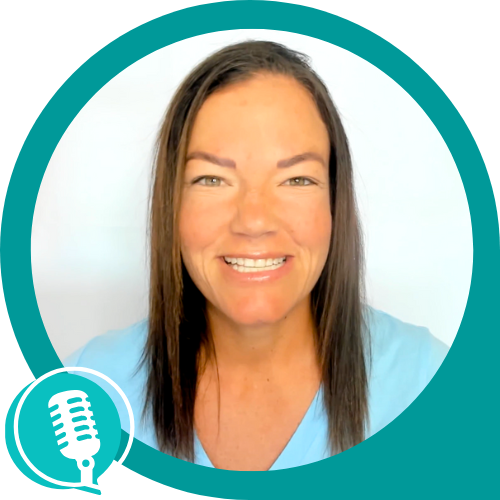
Kristi Kandel
Developer | Mentor | Co-Host of the LRED Podcast
Kristi is a real estate developer with nearly 20 years of experience and over $450M in projects across the U.S. Today, she focuses on helping locals step into development and build in their own communities.
She’s the founder of I&D Consulting, Local Real Estate Developers (LRED), and co-founder of Elevate, a community-driven sports and wellness concept.
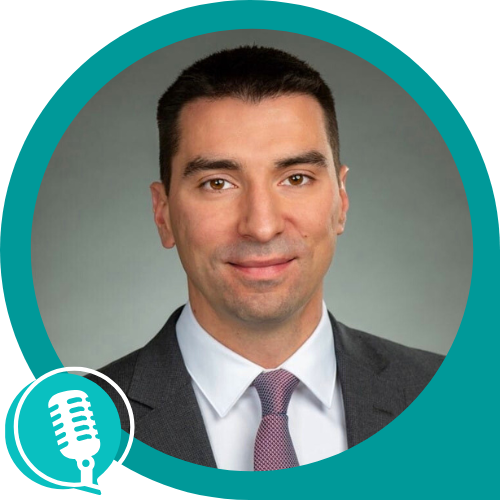
Raphael Collazo
Commercial broker | Author | Co-Host of the LRED Podcast
Raphael specializes in retail and industrial properties, bringing a problem-solving mindset from his background in engineering and software. As a commercial real estate advisor and developer based in Louisville, Kentucky, he works directly with investors, tenants, and cities, bringing a real-world view of how deals come together.
🔗 Related Episodes
How to Become a Local Developer: Katie Neason on Infill and Taking the First Small Bet | EP#29
A great companion episode on local infill, city relationships, and taking practical first steps in development.
How to Start Real Estate Development: Steph Weber Bought the Land First and Built the Plan Later | EP #41
A real look at taking your first development deal from idea to execution without having everything figured out.
Small-Scale Development: How She Left Her Corporate Career and Built a Tiny Home Village | EP #39
Another path from traditional career to building a community-driven development project.
About the Guest

Will Bockoven is a commercial broker and developer based in Lexington, Kentucky and co-founder of Summit Commercial Group. He specializes in mixed-use development and adaptive reuse projects, with hands-on experience in construction, leasing, and operations.
Connect with Will
🌐 Website https://sumcg.com
💼 LinkedIn https://www.linkedin.com/in/willbockoven/
Full Transcript
Local Real Estate Developers (00:41)
Welcome to the Local Real Estate Developer Podcast, where we share the stories of local developers who have done the thing, and we get to hear how they did their deals. I'm Kristi Kandel. I'm your co-host, and I've been a real estate developer mentor, and I teach locals how to become real estate developers in their own backyard. And I'm joined with my co-host, Raphael.
Raphael Collazo (01:01)
Thanks, Kristi. It's good to see you as always. My name is Raphael Collazo. I'm a commercial broker and investor here in Louisville, Kentucky. And I'm really excited to be here with Kristi as always. And today we have a very special guest who's actually my business partner here locally, Will Bockoven. He's a real estate person extraordinaire. And we're excited to learn a little bit more about his story. So Will, welcome to the show, my friend. Happy to be here. Thanks for hosting this. Appreciate it. Yeah.
Yeah, we're coming to you live from our media room that we just built out. So it's kind of a fun addition there. But to start out, what we typically like to do is just kind of learn a little bit more about the person and kind of what got them into the business. So if you don't mind kind of sharing a little bit about that, that'd be great. Yeah, I grew up in a family business. So I had an entrepreneurial streak, I guess. My family was in the construction business. Always knew I wanted to work for myself. I think that's what got started. That family business eventually
We sold everything. Everyone retired and whatnot. They made their money. And we were left with the property. That's what got me interested in real estate. I guess that's the first start. And then the second half was after managing it, just becoming a broker, learning about transactions and how to get tenants and deal with issues. So it started accidentally, I guess. Yeah.
No, that makes sense. we started our firm back in January. So beforehand, we were at different firms and we kind of just got together. After a while, we had known each other for about a year, year and a half before then. And we just kept in touch over time. And the more and more we talked, the more and more we talked about our previous experiences, we saw some similarities in the way that we viewed the world and our visions for the future. And so we ended up deciding to start our own firm, Summit Commercial Group. And ever since then, we've been operating here.
The future looks bright, as they say. But yeah, we're excited.
Local Real Estate Developers (02:47)
I love that.
Clearly an entrepreneurial bug. If you did that and you were managing then became a broker and then now started this company. So that's awesome. So as far as like when we get into real estate development, can you maybe tell us about your first deal of how you got into that aspect of it? As opposed to because you were, yeah.
Raphael Collazo (03:05)
Sure. was,
yeah, I was, would say I was a co-developer. There was, had another business partner and we did it together. Actually we had several, but yeah, I did a lot of the work with it. So the first project was, it was big for us. It was a big undertaking. It was an adaptive reuse project in Lexington, Kentucky. It was a six story office building and we converted it from office use to residential.
And actually, it became Airbnb, 23 Airbnb units.
Local Real Estate Developers (03:35)
Right on. So question on that, what year was this? Because that's the hot new thing ever since COVID that people are saying, hey, let's convert office to residential. And we know from experience, not every building can do that. So what year or timing was this project? okay.
Raphael Collazo (03:49)
Yeah, see, this was 2020. So we were right in
the eye of the storm of COVID. lots of challenges, lots of problems. But we had such a great price that we thought we could pull them off. Yeah. And that, you know, we talk about it all the time. We have a few deals we're looking at currently. I mean, just getting in at the right basis helps to alleviate some of the concerns that ultimately arise. And I'm sure during this conversation we're going to get into, you'll see some of the things ahead of deal with, which is
pretty amazing that that was your first project because I'm just like, wow, like that is a big undertaking. So.
Local Real Estate Developers (04:22)
yeah, I'm very excited about getting in. So maybe can you describe who were the partners that you went in with? Because we know development, a lot of the times you are going to have multiple GPs or partners in a deal because they do take so long and you need different strengths. So maybe who the partners were and some of the early phases of that project.
Raphael Collazo (04:41)
Sure,
no problem. I'll just describe them. It's probably easier. We are four partners all together. I was a broker. My business partner was also a broker. He had some development experience as well. And then we had two physicians that were more passive. Now, was put together. It wasn't like an exotic GPLP. We were all members in an LLC. The two physicians, we like to say they were the money guys.
And we brought some of the know-how and the sweat equity and whatnot. We all contributed financially to the deal, four owners in total. it was both of us, me and my business partner, both were very active in the day-to-day with the contractor, the entire scope from start to finish. So four partners altogether. Yeah. And one thing that I'm sure he's going to reference too is
This was a phase type of project. I think they had existing tenants in the building too that they had to work around. So they had office tenants that were on some of the floors that they maintained as they were going through the process of developing these additional spaces too. So is that correct? Yeah, that's absolutely as far as the partners go. There were just four. But yeah, it was an older building, Art Deco, 1940s. And again, six stories, about 52,000 square feet. It had a subgrade.
Local Real Estate Developers (05:45)
Mm-hmm.
Raphael Collazo (05:56)
parking garage as well, which I have a lot of parking experience in that industry here, so that helped. it was in various phases, and phase one was those top three floors, floors four, five, and six converted into residential, which became Airbnb. But as you said, had tenants we had to manage, so staging the materials, staging, and trying to operate, and this is a law firm too, one of our tenants, so.
Yeah, pretty reputable. Yeah, yeah, and that was quite a challenge to keep everybody happy.
Local Real Estate Developers (06:28)
Yeah, but mean sound alone and just how you're hauling materials up. you, just pure curiosity, did you bring it in outside through cranes through the windows or was there a service elevator that you were able to?
Raphael Collazo (06:39)
Well,
we did. We had two vertical transportation. We have two elevators. And we thought they were going to pop a window out and put a dumpster down there. And you see that long, you know, how they like a or something. Well, that didn't happen. Every piece of drywall, every acoustical tile went out through the service elevator, which was I don't know how they did it. It wore that elevator out, though. Yeah.
Local Real Estate Developers (06:51)
Yeah.
Raphael Collazo (07:05)
Yeah, you were mentioning that after the job that elevator was pretty much ruined. Yeah, was toast. another piece you had to factor in. you know.
Local Real Estate Developers (07:11)
And when you were starting to convert
that top part, was it always meant to be Airbnb or was that a pivot when you realized, hey, the location's key, we need to get revenues up more and switched over at that point.
Raphael Collazo (07:22)
Well, we
always want to do Airbnb, but even as five years ago, the lending environment, banks were still pretty hesitant. Lenders were just not so sure about this Airbnb thing. So the revenue stream really wasn't, at least in the Kentucky market, they were a little cautious. So we were toggling between the two. We thought, well, maybe we could do a hybrid mix, maybe something different. once we ran the numbers, we realized that Airbnb short term rental, VRBO was the way to go.
Yeah. So through that process, kind of walk us through maybe the initial phase. How do you identify the opportunity? How did you pitch the idea? Because at that point, I'm assuming you saw this building, you saw it could be acquired at a very reasonable basis based on the fact that you're pretty knowledgeable about that market. And then you decided to create that pro forma that you then approach banks with. talk to us a little bit about that process.
A lot of people that listen to the podcast are people who are aspiring developers and they're trying to find an opportunity. So one of the pieces of finding an opportunity is knowing what to look for. So if we can identify that and then we can dive into the actual nuances of each of the phases. So people can get an idea of how it all worked out. Sure. So the question being how to evaluate potential candidates for these types of projects. It starts with a really good location and a really good price. And I think we had, we were at that crossroads where we found both. And I think that's very rare.
I think most of your time, energy, and effort is going to be devoted to really finding the property, that suitable candidate property that's well known, has visibility, everyone talks about, and then of course getting a good price. So that kind of covers a multitude of sins if you spend too much on construction, which we had a few challenges, cost overruns there, as any building does. But I think it's just really finding a good...
a good building. Then the second part of that is just looking at the marketplace. You know, it's nothing really exotic. It's just surveying the rents, the income possibilities, the potential, looking at other projects. There's a lot of what I call writing coattails. So I'm looking to see what's going on in the marketplace, finding out what other people are doing and really just kind of copying that you can do that. Networking with other developers, calling, asking questions.
just getting out and walking. think that's probably as much as building a pro forma, building a spreadsheet. And one part I want to mention too is kind of the emotional component to it. In the beginning, it's all a lot of fun. There's a lot of cheerleading and it's exciting. But when challenges come up, it gets kind of scary and you have to just kind of push and make sure that your idea is still viable. That's the hard part. And being
Local Real Estate Developers (10:05)
Mm-hmm.
Raphael Collazo (10:07)
kind of comfortable with uncertainty is another one. Those are kind of the.
Local Real Estate Developers (10:10)
I
love those points because it does. The shiny object will wear off. Your project will probably blow up two to four times where you think, my gosh, what did I do? This isn't going to work out. And as you put it back together and you're a problem solver, you're not risk averse. You're a problem solver. And it's just a matter of putting it back together in a slightly different way where the numbers do work. So as...
As you guys were going into this project, so you found it, you're a broker, you're working in the market, and you started to work through what were some of the steps or nuances with maybe doing the zoning and entitlements for the different uses, and maybe the city part of permitting and going through that process.
Raphael Collazo (10:51)
sure that was not a huge tech task for us that we didn't have a huge problem there I think there were a lot of delays because the cities in general I mean I don't think it's any secret you know they are not really incentivized to move fast on anything during kovat that was even that was a real challenge there but as far as the approval goes we didn't really have at least in our marketplace we didn't have to have permission for a short-term rental it was more is it
built to code, but it wasn't really a use change or zoning or anything like that. So we didn't have a problem there. I think it was all just the typical, feet dragging that you see with local government inspectors and whatnot that we faced really. Yeah. And one of the things that I'm kind of curious about, and you alluded to it a little bit, Kristi, is that, you know, not a lot of these pro not all office building product can be converted into.
Local Real Estate Developers (11:19)
Perfect.
Raphael Collazo (11:43)
residential for a variety of reasons, but what made it so that this particular building was able to be done? What is it? was able to be accomplished and you were able to kind of make it functional. Sure. Great question. The best part about this building was the building was built in the forties, but in 86 there was a major upgrade. They had a lot of glass and that glass and sunlight really,
made it easy for the architect to kind of sketch in the different units. I think that's the biggest problem is, was it a narrow enough kind of floor plate to accommodate windows for all the units? And you're right, there's a lot in Louisville, Kentucky, you we're in this older Victorian era city where there's beautiful properties, but there's just no way to put sunlight in and you can't really do much with the properties. So
narrow footprint or a narrow floor plate I should say. Any other items that could be considered core? Well outside the actual configuration of the office I think a major major part of it is is it it walkable? Are there attractions people can walk to? I think that's not really building construction type but I think it's a major major plus is how close. And this building's like
Local Real Estate Developers (12:54)
Mm-hmm.
Raphael Collazo (12:58)
downtown on Main Street in Lexington. So I mean, you're talking, you could walk to a lot of restaurant retail, you know, pretty much all different types of retail in that little corridor. So it's a really great location.
Local Real Estate Developers (13:00)
heck yeah.
And one more on the technical, what about the bathrooms per floor? that a challenge to design the utility infrastructure to each unit based on how the current layout was or was that helpful in how it already?
Raphael Collazo (13:25)
Yeah,
it wasn't necessarily difficult. It was just cost prohibitive. It was very expensive because you're changing. It's an office use to a residential use. So there is an enormous plumbing infrastructure. It's MEP, as they say in engineering. So it was the mechanical. wasn't just the plumbing. was HVAC, electrical, plumbing, all three. was core drilling. There's very few people that know how to core drill through thick concrete plates.
and we're kind of at their mercy. But yeah, that was a very expensive, not necessarily design challenge aspect. And wasn't there a massive boiler system in the building too? Was that it? There is. There's a chiller on the... And there was an old boiler on the roof. You know, a lot of these buildings have these rooftop concepts, and that's very popular in Nashville. There's just no way. mean, there's no room for it up there. But yeah, we had a chiller system, which don't ask me to explain it.
No, I get it. don't blame you. I wouldn't even know where to begin. So talk to me a little bit about the contractor, how you're able to identify them, and then maybe talk a little bit about that early phase of the project and some of the challenges you all faced. Contractor selection. think construction is difficult for anyone. And having a good, clear communication line with your contractor is really important. I'm smiling because.
It's just a challenge, you know, for communication for everyone. of course you want to find a contractor that has a track record of doing this that they've built. A lot of contractors don't like residential. You want to be able to tour their product. You want to make sure you know who you're talking to inside of the contractor team. Is the person you're talking to the salesperson or is that going to be the site supervisor? So you want to look at what they've done before. Our particular
experience was we worked with a smaller company. I think that helped. And we had daily communication. We aim for daily communication, then weekly formal group updates. So the key word is communication with your contractor.
Local Real Estate Developers (15:24)
I always
like to say...
There is no such thing as over communicating in development and construction and just making sure that what was said in the field is documented and sent back out. Everyone is on the same page. And it's, it goes so far to in the long run of towards success. If you are able to, to communicate and I would always tell the contractors, please tell me early and often if something comes up, because the earlier you tell me the more time we have to fix the problem, which means the less money that we're going to need to spend to
to
actually come up with a solution. And if you hide it and you go, I'm scared to tell you. just creating that, creating a safety, a safe place for them to go, hey, I'm willing to have that conversation with you, goes a long way. And building that trust that they can bring it up because construction is going to have issues. So just being real and like, I know you're gonna find something that is going to be a problem and we're going to need to solve it, but let's do it together.
Raphael Collazo (16:19)
Yeah, that's a great point. And one thing that Will brought up, I, I was obviously I was fascinated by this project and I've talked to him on various different occasions about it. But one of the things that he talked about, which is I think important too, is hashing out how the project is going to lay out before you even get started. And that starts with the contract. And I know that, you know, he harps on it all the time, make sure you engage with a construction attorney that knows these documents and can advise you on how to properly structure them so that they, you have.
your best interest and your protections in place because you want to make sure that everyone's on the same page and the interests are aligned because at the end of the day, yourself are the one who's going to take on the brunt of the cost associated with the project. And if those interests in some way aren't aligned because of how the document's written, then it could affect you potentially. I'm not saying that all contractor, I mean, and this is just basic stuff. It's not necessarily that a contractor would just do it in, it's mostly inadvertently than anything. It's just that
If your skin's in the game, it's a lot different than if it's not. ⁓
Local Real Estate Developers (17:19)
Yeah, and engaging
real estate attorneys to help with those contracts. Each state is different in what their requirements are for contracting and how those rules go. You'll have some lenders requirements layered in because they'll be processing the pay app. So getting that real estate attorney to help you with the contract specific to that community who has the experience, can help you ask the questions, because a lot of times there's going to be assumptions made. You've got the developer, depending on the level of experience, you're making assumptions on what the contractor's doing, the contractor's making
assumptions on theirs and sometimes that doesn't quite sync up so just getting that third party in the contract to where it's all it's all there it's all clean it's all there that's so valuable
Raphael Collazo (17:56)
Yeah. Absolutely. Because to
your point, you're going to be communicating throughout the process. And hopefully nothing happens that causes any issues. But in a situation where there is disagreement among the parties, that document is what dictates the next steps. obviously, you plan for the worst and hope for the best, as they say. So.
Local Real Estate Developers (18:17)
Yep. So phase one was the Airbnb that you guys ended up doing. What were the other phases of the project and how did that roll out? And did you evict the attorneys? What happened there?
Raphael Collazo (18:26)
No,
the, well, the phase two was we wanted to, I think the phase two was there's a retail component. There's a subway. The whole idea was to kind of make it a lifestyle building and it's still underway currently. I mean, this is a, this is a big project for that group. So this subway, we thought, well, eventually when that lease agreement is up, maybe like a coffee shop could come in and
there's also another office user on the first floor. it originally was a department store. It's very interesting. So in the 80s at some point, I have to bring this up just to kind of talk about the phase two, is they blocked off the entire front entryway with a glass block, which was really popular in the 80s, I guess. And they converted that into offices. So our idea was to eventually renovate that and restore it back to its original use.
kind of have maybe an open air concept with coffee shop and then maybe cycle bar. So that's phase two, but that's still in the works. However, we did find a tenant for the third floor, which was a local energy company, renewable energy and negotiated sign rights for the building as well. two floors of office.
three floors of residential short-term rental and then the first floor being a retail component which is still underway.
Local Real Estate Developers (19:43)
I love that this is what we need to honestly get back to before our zoning code completely separated things out is we need places to work and sleep, but we also need the gathering spots. Those third places where we can go and we can grab coffee or we can grab a sandwich or just hang out and have that. And it sounds like the building's in a perfect spot in town to have a great mixed use building of all sorts of
Raphael Collazo (20:42)
Definitely. No, I agree. And so you mentioned during that first phase of the project, you are starting to do the demo work. It seems like during that process, demo demolition crew was taking product through an elevator. I think we talked about a little offline. So that's probably counter to what you initially thought was going to happen, which where you'd have a chute going down like some dumpster, and it would make it a little bit more efficient again.
counter to what you've experienced. And not necessarily experienced, because this is your first project. So this is also a complete learning experience on the part of Will. And he's a brilliant guy, so he picks things up quickly. But it's also a learning experience for him. I guess, what were some of the next steps of that process? And what were some of the things that happened that were counter to what you thought? And how you were able to navigate those waters? Well, yeah, and this is a little bit of a side topic. There's the emotional component.
Local Real Estate Developers (21:12)
Mm-hmm.
Raphael Collazo (21:34)
which doesn't have numbers, it's not neatly fixed in a box, but there's kind of like the emotional management, how do you like you manage some of these things. But to touch on that a little bit, you know, is learning the mentality that I thought and what a lot of people think is you're gonna sign a contract and it's a finish line and it's not a finish line, it's a starting line. You have to manage like in real estate, you have to manage the managers.
You have to add structure to your contractor and you have to stay on it. So I can answer all that entire topical question by saying that I had to add structure to everything. And what does that mean? There are pay applications that the lender uses when they release funds for payments to the contractors. Well, you don't just let it happen. You have to get involved. You have to read that to make sure there are.
Inventory items that contractors are purchasing to install So if I go down and I see where they're staging equipment in the basement or in the parking garage downstairs And there are 23 units and 23 HVAC units Why are there 27? You know, so That's kind of the whole next Next set of steps was just getting involved rolling your sleeves up Never verifying everything But adding structure is kind of the takeaway term
And did you have like, go ahead, I'm No, did you have like a reference? I'm assuming you guys, when you guys are talking about daily communication, weekly updates, you had a Gantt chart or some form of document that you were able to refer to with the contractor so that you could verify some of this information. Is that correct? We do. There's not, don't think there's like any one special way to do it, but yeah, there's a clipboard and it's a sequence. There's a sequence in construction and you know, it's a lot of it has to do with
Local Real Estate Developers (22:53)
That's, go ahead.
Raphael Collazo (23:21)
There's a set of work done and there's inspections. So if we know on Wednesday, Thursday, Friday, this is when the sheet rockers are going to go in. Okay. Well, if they're going to go in, was it inspected? You want to stay in tune. You want to see, you want to see these things happening as well. So you're almost like a site supervisor. And by the way, they're not thrilled with you being there nor are there subs. There's a lot of eye rolling and such. So just FYI. Yeah.
Local Real Estate Developers (23:38)
Mm-hmm.
ooh, the owners here, they don't know anything about
construction, so we're just gonna have to placate them. Yeah, yeah. And I think you earn their respect probably throughout the process. Like as you go, they start to understand that no, we're teammates, but that is a dynamic you eventually get to, and not with all subs, but as long as it's with the contractor and the site superintendent.
Raphael Collazo (23:50)
Mm-hmm. Yep. That's right. Well, it's funny.
And they always tell you what you want to hear. That's the thing about development is you got the circle of all these people and they're telling you and patting you on the back and you're thinking, yeah, this is going great. Well, you have to evaluate that independently.
Local Real Estate Developers (24:10)
Yeah.
Did you ever do surprise site visits? Yeah.
Raphael Collazo (24:26)
Yes.
Yes. Yeah. Yeah. Yeah.
Local Real Estate Developers (24:29)
Because you have your, I
found when we have our weekly meetings, then everyone knows and everyone's, know, dressed up, ready to go, has their stuff in order. But when I popped in a couple days later and just randomly, you know, to see where things are at, was like, okay. And that alone I felt, again, not that contractors are not accountable and don't do a great job, but people are people. And sometimes if you just have some surprise accountability that just helps move the project along because no one cares as much as you do.
Raphael Collazo (24:57)
And they have subcontractors too, you know, and while like our contractor I think they kept the job site I'd say pretty tidy for the most part, you know, and they took pride but their subs might not you know, and that's a problem Yeah, yeah, just you know, and that's I'm sure there's a lot of people that know this but some may not is that a general contractor isn't gonna do all the work themselves they have groups of people that they engage with different sub verticals of the construction phase where they
engage them and they have to make sure that they're on site at a certain time doing the work they need to do. And so it's not just one person you have to hold accountable. Potentially, there's multiple different parties involved in that whole construction process that you have to kind of make sure are doing what they need to do. And you can't just assume that one person is going to catch everything that could potentially be wrong. And it could be just an it's just a misinterpretation or miss an issue on one subcontracts part. They miss something or whatever.
But that could cost you money because if now, let's say that you lay the electrical or whatever and then you put drywall up and they forget to put in insulation, which is something that one of our friends had to deal with recently, actually. So they had to tear down all the drywall and put up insulation. So it's like that sort of thing can cost you money. And that's an issue. So you got to make sure that you're constantly making sure that things are being done right.
Local Real Estate Developers (26:17)
So true, yeah, that was a good point on explaining the general contractor because they are basically, some general contractors are self-performing and they have a lot of those trades underneath. know, drywall, painting, electrical, plumbing. Some just have a certain aspect and they sub it out. And the smaller the project, the more they'll probably have it with their in-house team. as you go, so if you think about it, if you're hiring a general contractor, you're basically hiring a PM to manage all of the subcontractors.
That's the general. Otherwise, could manage your plumbers, electricians, HVAC, all of them, but you're going to be way more hands-on. So in theory, they're helping take a lot of that heavy lifting. And hopefully, they're working with subs that didn't just give them the lowest price, but they work with each other on all the jobs to where they're used to the dance of things. And if they're a well-oiled machine, they're going to actually, the electrician might call the plumber and say, hey, I'm a day behind. Push yours back.
work so well together. But those, as you can see, the different layers of communication and things that could break down. And that's why you as the developer and the owner's rep need to be a little bit more in the weeds. Honestly, it's why I used to do with our consulting, used to do construction management and I'm not part of that because that is such a hands-on project now. We'll help people through the overall project, but as far as construction manager boots on the ground, we don't do that anymore.
just because it is so time intensive if you want to do it right.
Raphael Collazo (27:44)
Mm-hmm.
Yeah, that's a great point. you alluded to some of that, Will. So what were some of the other challenges you faced in the later phases of construction? And then we can talk a little bit about how it's operating today and give the audience a little bit of perspective.
well there's a dirty word in construction it's called change order and change order is basically just that it's a deviation it's something that happens for whatever reason that was different from the original set of completed plans
and nobody likes them and contractors certainly don't. I don't blame them because it's a whole like a sequence of events that have to happen. It's just like a ripple effect. we had a few that were deliberate. took a the top suite we converted. We took three units and made into one. We wanted to have an entire panoramic view of Main Street.
So we had to start with the architect and it was worth it for us because the price point was really high for renting out that unit. And it really made sense. So change orders was a, was a, you know, some of them were arguable whose fault was this or who wasn't everyone's blaming each other. The architects blaming the MEP and the, goes on and on. You know, another one was just,
just dealing with the pay app, the progress, like some percentages. as I mentioned before, there's a pay application every month, which is an incremental payment for work as it progresses. Well, sometimes there's a little debate over the percentage. So we had to make up a little difference. It took a lot longer to build the property than we thought reconstructed. And that caused the renegotiation of the bank loan.
Local Real Estate Developers (29:14)
Mm-hmm.
Raphael Collazo (29:39)
that was pretty dramatic or so I thought to have to go back and revise what the loan says so change orders extension time this is all probably pretty typical stuff I don't think this is anything that's out of ordinary
Local Real Estate Developers (29:52)
Nope, every project will face these exact challenges, which is why I love that we're getting more into the weeds of this because everyone's going to face it. It's things that you don't think about, but the actual operations part of doing a development and those nuances of it, because someone has to cut the checks. Someone has to verify that the subs have been paid. Someone has to coordinate with the lender and bank. there's a whole other set of things outside of what you see physically happening in the field.
Raphael Collazo (30:20)
Yeah, no.
Local Real Estate Developers (30:21)
And just
curious on your lender with the renegotiation because it is a scary thing to go, are they going to continue this project? Can you maybe do a tiny bit deeper dive into that just so people can go, that is possible. It's not so scary. Let me talk to the bank and see what the options are.
Raphael Collazo (30:38)
Sure, well first with lending, as brokers too, we talk to lot of lenders. So we know them pretty well and we have a pretty good reputation. I don't think we've irritated anyone yet, but we like smaller lending institutions that are local. And we love credit unions. So the credit union we use, like many, they have a loan committee. A lot of these larger banks that we all know about that are national and global, you'll never, it's almost like
They don't have bank branches, they have kiosks and everything is in New York or wherever they're headquartered. But a local bank, local lender, you can talk to the market president, you can talk to the bank president.
That was really helpful. The second is, a lot of lending institutions, you have the banker or the lender, whoever their rep is, but you also have a real estate person somewhere in that lending institution that you can talk to and is looking at the pay app. They're kind of almost like an underwriter. They're analyzing to make sure everything is according to bank regulations or whatnot. But if you talk to that person, you can get some good tips and some good guidance as well.
So we had an interest only loan, our situation. It was very simple, very common is we just need to extend it and we negotiated and it worked out fine. Yeah. And, I'm sure when you were having that conversation, it was probably not an easy one. no, Yeah. It's fine. It's fine. Yeah, it's fine. No worries. No, as he, as he's sweating like bullets in the back of his like PTSD over here. Yeah. There was also,
Local Real Estate Developers (31:58)
You had all the heartburn until you got to the finish line. Okay, signed, we're still going.
Raphael Collazo (32:10)
Well, you know, I'm also sensitive. know, I don't want to, I don't want to, you know, I know, I, oh, no, you, you don't know. I'm not, I'm not saying, I'm not saying anything. But I, I, I appreciate your, your, your, your, uh, your, way you're structuring the conversation. yeah. If you see me glitching, that's all I can say here. But, um, here's another one. And I think this is important. It's an important point. I don't think it's any, confidential, um, make sure, make really, really sure that when you talk,
to the lender, whoever's representing that loan, that you understand exactly how that loan works. Because we are in a situation where we did not, and we're all pretty smart people, I think. We're two physicians, and I guess I've done a few things to be intelligent. we didn't understand, and we didn't understand why a pay app wasn't made come to find out we had to come up with an extremely
Yeah, worst case, in worst case, go ahead, I'm sorry.
Local Real Estate Developers (33:04)
That is... that-
I was gonna say that is so huge because they know their terms and then they give you these papers that you're like, okay, there's a ton of words, a ton of pages, I don't know what the hell this means. thankfully now we have tools like notebook.lm or other things that can help evaluate a contract for you to maybe help you ask the right questions of the lender. But at the end of the day, the lender, just like the architect, just like the engineer, just like the broker, just like the contractor, if they're giving you something and you don't understand it, ask questions until you get to
okay. This makes sense and it doesn't matter nobody they they are also technical and in their silos that it's There if they're good at their job They know how to communicate that to you and help how to get you to understand that and if they're not they might not be the right partner for you
Raphael Collazo (33:52)
Yeah, no, 100%. And worst case too, I I know it's an additional fee, but especially when you're starting to get into projects like this, sometimes having an attorney review some of those docs probably is not a bad move. I know there's attorneys out there that work just in banking. I have several friends that are in that space, and they review loan docs all the time for people all across the country that are doing things. so.
Local Real Estate Developers (34:06)
Mm-hmm.
Raphael Collazo (34:14)
in a situation like this where it's a big enough project. mean, even if you have to spend a little bit extra money to make sure that you have someone on your side with some of this, this problem may not be a bad move.
Local Real Estate Developers (34:23)
Yeah,
there's transactional real estate attorneys who literally do everything from helping you negotiate the purchase and sale to helping your tenant leases to reading loan docs to working with the title company to clear up the title report ⁓ to closing. So yes, there's a reason that there's lots of different real estate attorneys, but transactional real estate attorneys are very, very, very helpful and useful.
Raphael Collazo (34:35)
Mm-hmm.
Definitely. So after the few gray hairs you got from this project, once you got it up and running, how did that phase work to try to get the Airbnbs kind of situated and figured out? So stabilizing the asset. Yeah, correct. Yeah, the stabilization piece. Stabilizing. Well, had our one office tenant that we procured. That was pretty simple. He had his own build out as well.
Local Real Estate Developers (35:05)
Mm-hmm.
Raphael Collazo (35:16)
which was challenging because they were very noisy and they were interrupting the other tenant, disturbing them. And there's not really much we can do even, even though inside the lease, we don't disturb our tenants. So that was the first stabilization piece. And that was a, that was a great amount of money coming in. So we were really relieved with that. the second was the Airbnb, just had an Airbnb operator. we found one locally.
that didn't quite work out until my business partner decided to self-manage, did a great job. They have glowing reviews. But we did start with a third party short-term rental manager. Yeah.
Local Real Estate Developers (35:54)
And I think
we're starting to get maybe some better options now as people are getting more seasoned, but I've got short-term rentals in Nevada, Ohio and Florida. And we just ultimately were like, let's, let's build the system in house. Nobody cares as much as you do that you keep it in house, keep the higher margins. you're already managing the other tenants and spaces. So if you just build that process in.
Raphael Collazo (36:14)
Yeah. So you just, you find the local cleaners or whatever other pieces of the process, and then you have an app or some form of, you know, software that helps integrate everything into one. that, is that kind of how you handle it? Do you have a VA helping you with like calls and stuff?
Local Real Estate Developers (36:28)
So we have automated from our systems. We've automated as much as possible to where we'll primarily use Airbnb because it works in all markets except for Florida when you're doing luxury rentals and then we'll throw in VRBO. But in our, you can have a lot of automated messages. We have a go-to cleaner and a backup cleaner. have two handymen, one specializing in just kind of everything and one might have plumbing or just as a good
backup, but then also having an electrician. We found that that tends to be a key one. And so we'll have that redundancy in each market to where there are boots on the ground, there are eyes. The cleaners also typically come with a handy partner so then we can sometimes have them come in and fix things.
Raphael Collazo (36:57)
and
Local Real Estate Developers (37:10)
And so we, yeah, we really leverage the cleaning aspect from a platform standpoint on top of Airbnb. We have our own internal operating system. And so we have specific tasks and things that have links to where if we do have our, my executive assistant is also a property manager. So he will, he'll do both. And so he's the one who's constantly doing any direct guest messaging if there's a question outside of it. But if he's on vacation, like he is now for the
for the holiday, then it's easy for any other person, whether it's me or another owner, to come in for that specific property and take over because we have documented the systems and just styled that. And it's not as, it doesn't have to be complex. It could just be like, here's how we operate this property and here's our go-to stuff and what we will and won't do.
Raphael Collazo (37:57)
Yeah, I mean, I know with some of these like projects, I mean, since they're newer construction kind of higher end product, I mean, I would imagine the tenant interaction is probably a little bit less. So you, if you automate a lot of these processes, like most people don't want to be bothered. Like they want to know how to get in the property. You know, if there's a particular issue on site, maybe they'll respond to you on the app, but otherwise they're not, they don't want to kind of interact with you, to be honest with you. So it's like,
Local Real Estate Developers (38:09)
Mm-hmm.
Yeah, and we
found a key if we have a link. So what we created was a house manual for each unit within Canva. That way it's pretty and it looks good. And we have a link in the messenger. literally it's, okay, what questions are we getting asked all the time? Boom, it's in the house manual. Answer it before they ask it.
Raphael Collazo (38:37)
Yeah. Epic use.
That's great. That's a smart way to do it. Well, that's awesome, man. and so you got now it's all stabilized. I know you're no longer involved in the actual building itself now, but obviously you've gotten a lot of unique experience from that. What are some of your future goals in development? I know you decided to take a little bit of a hiatus since that, but what are your thoughts on?
future projects. and there's also, there's a number of other topics and they're just really boring. know, things that I could bring up like building access controls, you know, or the whole internet connectivity issues. And there's like a lot of little micro challenges, which I'm happy to talk about further with anyone who wants to know, but there's like 20 of those.
Local Real Estate Developers (39:23)
I think it might help
if you could maybe even just list them off because we, helping people just think one next layer and step could be very useful.
Raphael Collazo (39:32)
Sure, there's like secondary issues like for example, have an elevator, elevator bank. So having a good elevator contractor, elevator is extremely expensive, that's one. There is a life saving, there's the whole fire alarm system. If you have an old building, you're updating it, well, we had to update it and that was several hundred thousand dollars. There's the whole, actually technology itself is a whole,
category that we dove into. So Wi-Fi. Low voltage. voltage. I mean, voltage. the parking, there's the garage, there's the ramp heater, there's parking management. That's another consideration. Building security outside the access controls. We're in an urban area, you know, like every other urban area, there's crime, know, there's transient people, there's things that happen like that. So you have to consider it lighting, safety.
A lot of the normal issues that affect a building that are older like water penetration, ventilation, some of the maintenance issues. mean those are the things I can think of off top of my head.
Local Real Estate Developers (40:37)
Well,
and on the maintenance issues, I assume you guys are as one entity, there's a property management entity. And then potentially, are you charging the different tenants cam for any shared expenses for exterior lighting or for general maintenance and upkeep?
Raphael Collazo (40:52)
Well,
we were, but when we bought the building, it's a hybrid because we inherited lease agreements and the lease agreements were a little different. This was during covid when they were renegotiated before we purchased the building. So one of the tenants has what I think is a pretty good deal. And it's just a gross lease. The new one we had is a modified gross. The retail tenants downstairs have a separate. So really, it's a whole medley of different. It's not.
It's not consistent. Yes, we would love to have a common area maintenance operating expense type lease arrangement, but that's what we inherited. we did the best we could.
Local Real Estate Developers (41:30)
And that's
very common that you're going to have that. just thinking as the developer of a mixed use multi-tenant space is that someone has to manage that. Someone has to track what each separate lease agreement is, what each different trigger is for rent increases and milestones and utilities and how that's sub-metered and done to where there's just thinking through the whole development and thinking through what could happen operationally. And that's where potentially talking to different property managers. I'll keep going back to it. I would say throw it into
throw it into AI of any sort and just ask the questions. What should I anticipate? There's going to be things on every project that you go, I didn't even know that that was something I needed to consider or think about. Now I do. We joke, but there's a reason our due diligence checklist at the beginning of projects are like miles long. It's, these are all lessons learned. And then just knowing where to apply them.
Raphael Collazo (42:11)
Yeah.
Well,
and to your point regarding like, you know, the leases is getting expert opinions on it because he was kind of referencing, you know, we got them at a, we got the new tenant. That was all their efforts through being brokers and understanding what the market is. They got them on a modified gross, which is likely what market is in Lexington. I know a lot of office operators will do like a base year. So what they'll do is they'll say, okay, well this year,
you have this rate, anything in future years, anything above whatever the base year expenses were, you pay a per-rata share of those expenses. That's pretty very common in our market, maybe different in other markets. So it just depends on the areas that you're in. engaging with professionals is important because you may be leaving money on the table, you may be having some issues. Maybe you're having issues leasing the space because maybe you're asking for a rate that's above market and maybe you're asking for a triple net when the
when the market is more like modified gross or gross. And so you're, you may be shooting yourself in the foot a little bit if you're not really familiar with what the dynamics are locally. So.
Local Real Estate Developers (43:21)
And I don't want to really put you guys on the spot, but because you're brokers, are there any, like maybe a top couple of things that you advise your clients on for when they're negotiating leases and the terms to say, don't forget this, or this is really key for this type of retail tenant? I don't know if there's some good best practices or something.
Raphael Collazo (43:41)
Yeah, well, mean, as a tenant rep, you're going to be obviously representing the tenants. So I'm going to try to get them as low of run as possible. And if we can get them on a modified gross lease, power to you. I'll try to do everything I can to try to get the best possible deal. Now, if I was on the landlord side and I advised them, then that's where the market dynamics come into play. And say, okay, well, let's educate you on what market is. Because I've definitely worked with landlords in the past that
just to keep it simple, say, I'm going to charge, you know, five grand a month for the space. And then all of a sudden there's a reassessment on taxes and, know, the tax bill jumps up and they're like complaining about the fact they have to cover this tax bill. like, well, you could have now you're kind of put yourself in a bad spot where you have all these tenants on modified gross leases and you have the expenses that are outpacing what their marginal bumps and rents are. So that's one. Number two is I try to avoid giving options if possible, or only offer one option because
you don't know what the market's gonna be like in the future. So I've seen leases where they have like a three year lease with like four three year options. And I'm just like, you literally shot yourself in the foot because, you know, in the next six years or nine years, whatever that is, you don't know what's gonna the market's gonna be like, maybe it's the hottest market in the world and you can get double the rent based on what the option is. And so I've seen, I've had clients that looked at investment opportunities and we do a lease abstract where we look at all the leases and document all these different.
ways that the leases are orchestrated and we just are like, this is a terrible investment because you're pretty much hamstringing yourself to this point. And so you go back to them and say, look, we can only pay you this because of the way that you've structured this lease. And oftentimes they're taken aback, but in reality, it's like you've done this to yourself. And the reason you did it to yourself is because you didn't talk to someone who is an expert that could advise you to say, don't do this. We've seen some whoppers in leasing agreements. it's horrendous. And lawyers are great. Lawyers are fantastic.
show you theoretically how the law works and case law and whatnot and that's very very important we always advise that we will show you how it plays out in real life and what we've seen so yeah
Local Real Estate Developers (45:42)
Yep. Yep.
And this is the value of, again, we say it's strategic partners with your brokers, your lenders, contractors, architects, engineers, that the reason that they are your strategic partner is you guys really dial in and hone in on, this is it. This is what I do day in and day out. This is what I see from the landlord side, from the tenant side. So just going that extra mile and asking, I agree. I have seen many lease agreements in both directions where it's like, wow, ⁓ okay.
Raphael Collazo (46:10)
Yeah. Well,
and two, mean, you know, so oftentimes, and this is what we contend with a lot with like landlords sometimes is that they're saying, well, you know, we'll have to pay you a fee in order to help out with this project or whatever. And, you know, when you start looking back and you say, well, if you just to pay a small fee in the front end, you could have saved yourself, you know, huge issue with, yeah, property value or like short, you know, people don't ever look at opportunity cost. And I think that's the hardest part is that
Local Real Estate Developers (46:30)
hundreds of thousands and time and pain and yeah.
Raphael Collazo (46:39)
And this happens in the investor mindset all the time. And I know plenty of investors who are like, well, I'll just go ahead and manage the project, even though they've never done it. I'll just go with the cheapest person to get this project done. And they just keep going and going. And all of a sudden, they start digging themselves in a hole. The project takes longer than expected. The cost starts to balloon because there's a bunch of change orders or things are done wrong. And you have to come in and fix the work that was done before.
And by the end of it, you look at it and say, it costs the same or not more, and you've lost time, which in my opinion, time is money. So now you're factoring in an additional layer. So I'm of the mindset, it's better to pay someone that's good at what they do once than it is to pay five people that are marginally good to do the same work because they're going to mess it up. So it's one of those things where sometimes you have to pay for good service and that's going to save you money in the long run. Yeah, pay me a dollar now or...
Local Real Estate Developers (47:25)
Mm-hmm.
Raphael Collazo (47:32)
$2 later. Yeah. Or $10. Yeah, mean, it could be way more than that.
Local Real Estate Developers (47:34)
or a hundred or yeah, I've
seen it so much. I've been brought in on some massive developments in California. mean, one, I was telling someone the other day they were probably a quarter of the way into construction and come to find out they don't have water rights. They're building this massive like shopping center, multi-tenant buildings, out parcels. They don't have the access to water. LA County was out of water. So I ended up coming in and digging in down to the one family who owns
Raphael Collazo (47:52)
it's huge out west, too.
Local Real Estate Developers (48:03)
all the water who then ground leases for 99 years and you have to buy it from them. So, you know, three quarters of a million dollars later and a month worth of only focusing on that. Now they can get water to all their sites. And if you think about it, so one, they lost a month of time, not a full month because they were able to stage construction in different ways. But if they hadn't gotten water, if it had taken a longer solution, all those tenants, the national tenants, they have clauses in their leases that you hit this delivery date or you pay penalties. So I've come in on so
Raphael Collazo (48:30)
yeah?
Local Real Estate Developers (48:31)
many projects where the developer has lost millions for things that could have worked out well, but the projects are so big they still make millions. you know the story, the highlight reel is, hey we made so many million. Yeah you could have made 32.
Raphael Collazo (48:45)
Yeah. And when you start contending with nationals too, mean, they've got legal departments that are no joke. So it's like, you've got to be, you got to have your P's and Q's figured out or your mind, your P's and Q's or cross your T's and dot your I's. That's the tough ones.
Local Real Estate Developers (48:58)
All of it.
Raphael Collazo (48:59)
Well, that's great. think, mean, Kristi, how do you feel about the conversation? Do you think it was pretty helpful?
Local Real Estate Developers (49:06)
I think this was so beneficial and I like that we got granular in some of the areas because we haven't talked that way before in some aspects. So I think this is very, very helpful. yeah, to your point, it's one project that you got into. You had a couple different partners and that's the truth. You normally have partners who have money, but not necessarily the time or the expertise, but they want to follow along. They want to be part. Some of the people are the sweat equity, roll up the sleeves. And sweat equity goes
a long way in development because the projects are long and they can be phased and it can be multiple years. So you having that know-how or having the right mentors or people behind you to go through it, that's what equity is worth it in that partnership. I think this was awesome.
Raphael Collazo (49:51)
Yeah, I'm thankful, Will, for obviously working with you. And I'm glad you were able to share some insights on the podcast. I know it was super helpful. One thing that we do is, I think I may, I don't know if I to mention this to you, but typically what we like to do at the end of a podcast is we have this concept called the Developer Vault. So we try to provide our audience with just goodies and things that they can access and
you know, it's free to our listeners. And I just wanted to see if you had, or you can think about it. You don't have to tell us right now, but maybe come up with something that you could share in the developer vault for Yeah, 100%. Yeah, I'd love to. Yeah. Yeah. We've got a few ideas. Yeah. So we'll make sure to include Will's contribution to there as well. So you can check it out. It should be a good one, I'm sure. Thanks. Appreciate the hosting it. Thank you.
Local Real Estate Developers (50:31)
Yeah.
Yeah.
Awesome. And yeah, I was going to say, can people reach out to you? Clearly, you guys have a brokerage. So if they're in the area and they're looking for help and or if they're just curious and like, like that was a really cool story. I'm a broker too. I'm thinking about development. Maybe they want to reach out and ask a question. How can they connect?
Raphael Collazo (50:43)
So people want to go ahead. I'm sorry.
Sure, our website has a lot of information. It's sumcg.com, S-U-M-C-G.com. My email will at sumcg.com, Raphael at sumcg.com. I don't mind giving my cell number out. It's 502-767-9958. Yeah. Yeah, exactly.
Local Real Estate Developers (51:20)
True broker right there. Like bring the deals, bring the leads,
Conti out.
Raphael Collazo (51:24)
We love
Talking Shop too. We love what we do. Yeah. And obviously too, one of the benefits too of what Will does is that he has that developer mind. He obviously has gone through it. He's been in the weeds on large projects. He understands how these projects come together. His company, the family's company in the back used to, in the past used to be a construction company. So they worked a lot in massive projects all around town. he's got...
that base and knowledge of how things work in that regard. So if you guys are developers in general and are looking to operate in this region, I mean, that's kind of, it's good to talk to someone who knows what developers go through, you know.
Yeah, so well, well, it's great to see you as always. You know, I'm obviously got my office next door to you. So I'll see you here shortly. But for those of guys who listen to the podcast in a podcast format, whether that's Spotify, Apple Podcasts, please leave a five star review. It makes a big impact on our ability to reach a broader audience. If you guys are watching this on YouTube, please like and subscribe. It makes a big impact, as I said before, and we want to make sure that as many people as possible can listen to our podcast.
and hopefully take on their first development project. So thanks again so much for tuning in and we'll see you all next time.
Get the tools behind the episode
Access the Developer Vault with templates and real resources

©2025 I&D Consulting. All Rights Reserved.
©2025 Local Real Estate Developers. All Rights Reserved.